


Advancing surgical care for children
A child is not just a smaller version of an adult. Children grow fast, their organs work in their own way, and they react to illness and medicine differently. Doctors learned this lesson long ago, and it pushed them to build a separate branch of surgery just for young patients. Surgeons who join this field spend extra years learning how a child’s body heals.
Today, paediatric surgery reaches much further than it once did. Surgeons treat babies born with health problems, older children with injuries, and young people with illnesses that need an operation. Hospitals now treat this work as a core service. As medicine moves forward, these surgeons take on bigger and more complex cases every year. Their skills now touch almost every part of a child’s body.
Planning for a Growing Child
Every operation on a child carries a question about the future. A surgeon must ask how the procedure will affect the patient next week, and also how it will affect the same person many years from now. Bones, organs, and muscles keep changing until adulthood. A choice that suits a grown patient can cause trouble for a child later on.
For this reason, paediatric surgery takes into consideration their health in the future. Doctors do all they can to preserve the natural development and the normal functioning of the body. They use techniques that have fewer consequences. They also see their young patients again after the operation to make sure healing goes well and to catch any problem early.
Smaller Cuts, Faster Healing
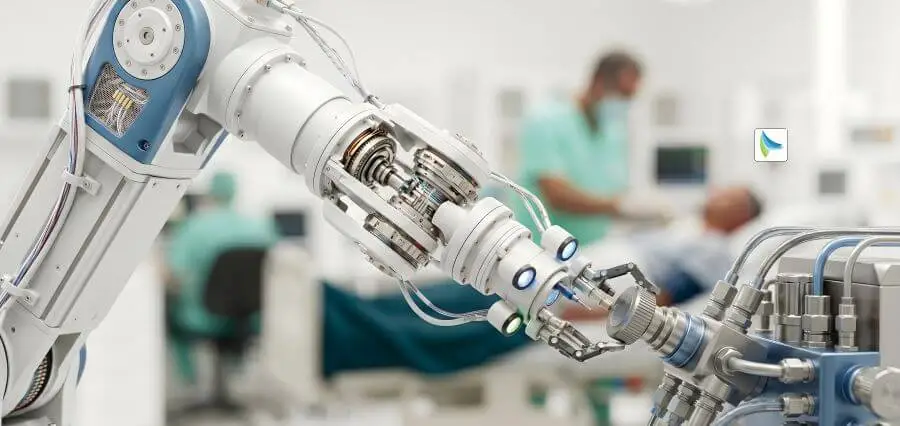
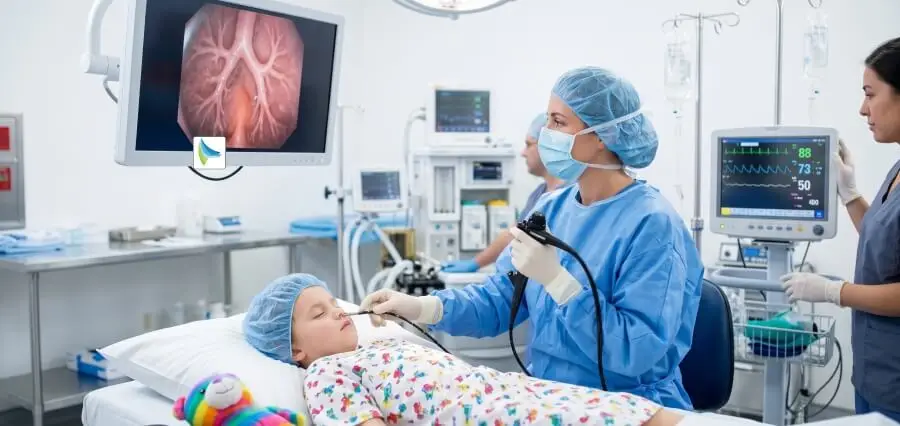
Surgeons once needed large openings to reach the problem inside the body. Now they can often work through tiny cuts. They slide in a thin camera and small tools, watch a screen, and do the job with great care. Patients feel less pain, carry smaller scars, and go home sooner. They also face a lower chance of infection.
Children gain a lot from this change, and it now plays a big part in paediatric surgery. A young body bounces back quickly when an operation puts less strain on it. Parents spend fewer nights in the hospital, and kids return to school and play sooner. As companies make tools smaller and sharper, surgeons can use this gentle approach for more conditions.
Many Experts, One Plan
Surgeons rarely work alone when they care for a child. They join forces with nurses, anesthesia doctors, scan specialists, and other physicians. Each person adds a different skill. Together, they shape a plan that fits the exact needs of the child in front of them, and they talk often so nobody misses an important detail.
This teamwork has stretched the reach of paediatric surgery. Before the operation, the group looks at a hard case from many sides. They spot risks early and get ready for them. They stay with the child through the operation and the days that follow. Good planning like this keeps patients safer and gives them better results.
Caring for the Whole Family
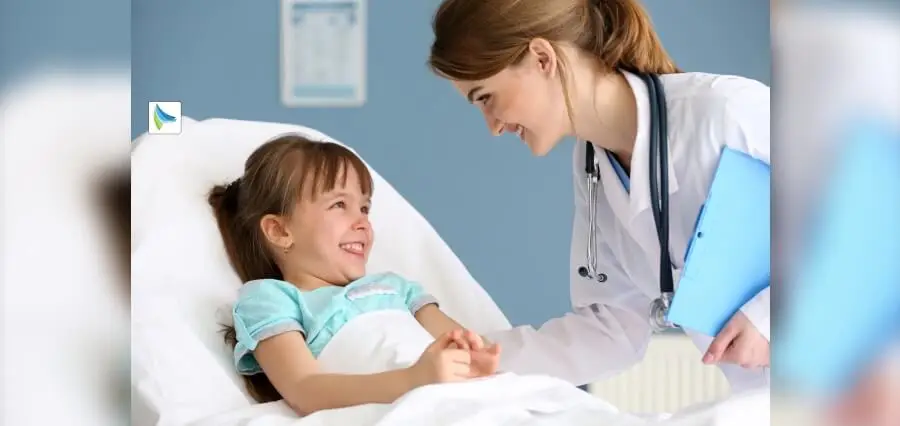
An operation can scare a child and worry a parent. Hospitals understand this better now, so they work to ease those feelings. Many have bright, friendly rooms for young patients. Staff speak in a calm and clear way. Some hospitals let a parent stay close until the child falls asleep, and that small step can calm a nervous child.
Parents also play a larger role in decisions today. Surgeons sit down with families, explain each choice in plain words, and answer every question honestly. Respect for parents now sits at the heart of paediatric surgery. When parents understand the plan and feel included, they can help their child heal with more confidence. A calm parent often means a calmer child.
Conclusion: A Field Still Moving Forward
Surgery for children has come a long way, and it keeps getting better. Doctors today use more sophisticated instruments, less aggressive approaches, and better cooperation. Moreover, hospitals today take into account more factors related to comfort and family. All these measures combined have made an unpleasant situation much easier for children and their parents.
Paediatric surgery is likely to develop in future along with the development of science. With the help of better preparation, modern equipment and a deeper understanding of children’s growth, surgeons will be able to provide even safer surgery to children. Through all these transformations, there will remain one common idea which surgeons will try to achieve: making sick children healthy adults.