

Electric mobility has moved from a promising concept to a practical necessity for cities, operators, and governments serious about cleaner transport. The shift is no longer a question of whether electric buses belong on public routes. It is a question of how to make them work reliably, day after day, across the full range of conditions that real operations demand. That requires more than good vehicles. It requires the kind of operational knowledge that only comes from understanding what drivers, technicians, and transport managers actually face when a new technology enters their working lives.
The transition to electric public transport is also deeply human. Behind every fleet decision is a team of people who must trust the technology, learn to maintain it, and depend on it to do their jobs. Leaders who understand this dimension of change, and who take the concerns of experienced practitioners seriously rather than dismissing them, tend to build something that actually lasts.
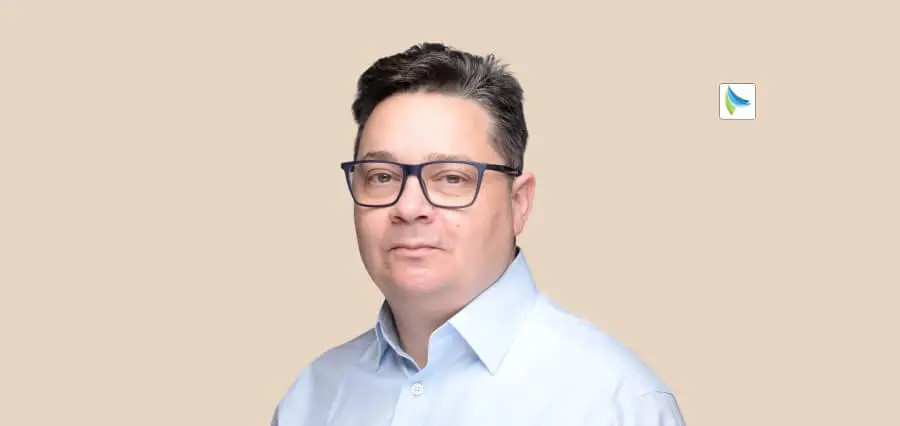
Jörg Langer, COO of Eurabus, leads from exactly that understanding. His career spans more than three decades across several international markets. This experience has shaped a leadership approach grounded not only in technical and commercial rigour, but also in a genuine belief that the value of any innovation must ultimately be measured by what it does for the people who depend on it every single day.
A Career Shaped by People and Purpose
After more than three decades in leadership roles, Jörg’s perspective on innovation has developed beyond technology itself. While understanding the problem a new technology solves and identifying who will use it remain important, his most important question goes further. How does it benefit people? How does it improve their everyday lives? Ultimately, how can the work contribute to making the world a little better?
His international experience across Germany, China, Saudi Arabia, Bulgaria, Pakistan, Nepal, and Kazakhstan has shown him how different the conditions for achieving these goals can be. A technically similar vehicle can encounter very different expectations and everyday realities across markets. Understanding these differences requires curiosity, a willingness to question one’s own perspective, and an interest in other people’s cultures, mindsets, and experiences.
This perspective also shapes his responsibility towards employees, technicians, drivers, and partners who put ideas into practice every day. Their safety, working conditions, and trust are central measures of success for him. Innovation and business leadership must therefore be assessed not only through technological progress and commercial results, but also through the benefits they create for people.
Connecting Strategy with Operational Excellence
Jörg’s career has taught him not to view a company as a rigid system. Development, procurement, production, sales, and service are constantly changing. Despite these changes, the product and commitment to the customer must remain central. When a company makes a promise, it must create the conditions that allow it to keep that promise.
His curiosity continues to influence his leadership. A new market, an unfamiliar operating profile, or a demanding technical task immediately sparks his interest. He wants to understand what is needed and how a workable solution can be developed. This curiosity keeps him alert and moving forward, even after many years in leadership.
At Eurabus, he combines strategic decisions with close attention to detail. A market entry strategy must translate into effective processes, including vehicle configuration, training, service, and spare parts supply. Experience helps him identify responsibilities, missing information, and preparations required before delivery. These questions become particularly important in international projects, where people may have different understandings of things that seem obvious to others.
His operational priority is to build structures that can grow with the business. He wants customers to become more confident and self-sufficient as they gain experience, while knowing they can continue to count on Eurabus. This supports partnerships that extend beyond individual vehicle deliveries.
Aligning Electric Mobility with Real-World Needs
For Jörg, “Wider adoption of electric mobility begins with understanding actual operations.” The routes a bus serves, the distance it travels, available charging windows, local climate, passenger loads, and air-conditioning requirements all influence the solution. These factors must be considered together to develop a vehicle configuration that is technically suitable and commercially viable.
According to him, “Sustainability means more than economic viability.” Electric buses produce no exhaust emissions from a combustion engine while driving and are quieter, particularly at low speeds. These characteristics can improve everyday life for passengers, drivers, and people living along busy roads.
Children’s health is particularly important to him. Studies of lower-emission school buses have observed reduced exposure to pollutants, improvements in indicators of respiratory health, and fewer school absences. Reducing children’s exposure to diesel exhaust during their daily journeys to school provides a compelling reason to consider cleaner transport.
Climate protection is another consideration. Electric vehicles can reduce greenhouse gas emissions over their life cycle, although the extent depends on factors such as manufacturing, electricity supply, and vehicle use. The energy supply and a long vehicle service life must therefore form part of the overall assessment.
His role is to bring these objectives together. Customers need reliable operations and a clear understanding of costs, while society needs cleaner mobility. Achieving both requires attention to technical requirements, operational performance, and the wider effects of transport decisions.
Leadership Built on Trust and Respect
Jörg believes “Good collaboration begins when people treat one another as equals, regardless of role, background, or position.” A technician, driver, customer, or politician deserves the same fundamental respect. Trust and reliability are equally essential. People must be able to rely on commitments being taken seriously and feel comfortable raising difficulties openly.
He respects the work people do every day. They get up early, work late, take responsibility, and provide for their families. Behind every professional role is a person with obligations, hopes, and a life of their own.
For him, the most important asset of a company like Eurabus is its people. They deliver results every day, whether in the workshop, at a customer’s site, within the organisation, or on the road. No strategy can replace their experience and dedication.
As a leader, he wants to ensure that people can do their jobs well. They need clear responsibilities, the right information, and opportunities to contribute their knowledge. Their achievements must also be noticed and recognised. Leadership involves creating the conditions in which people can use their abilities effectively and contribute to shared goals.
Addressing the Challenges of Electric Mobility
One of the biggest challenges in advancing electric mobility is the uncertainty experienced by people accustomed to conventional transport. Many have worked with diesel vehicles throughout their careers. They understand how these vehicles behave and how to solve problems. A new technology changes that familiar sense of confidence.
Jörg takes these concerns seriously. Telling an experienced driver or workshop technician that their worries are unfounded does little to build confidence. Instead, it is important to listen and identify the concerns, which may involve vehicle range, charging times, safety, or the ability to work with the technology.
Clear explanations and practical examples can make a difference. A test drive, a guided charging session, or effective training can achieve more than general arguments about electric mobility. “When people gain practical experience and receive answers to their questions, their confidence grows,” he says.
Working across international markets has also taught him to adapt to different approaches to problem-solving and decision-making. In his experience, European teams often favour quick action and a direct route to a solution, while some partners in the Arab region take a more measured approach, allowing more time for reflection and discussion. He has learned to respect these differences and bring greater patience to the process. Agreeing on priorities and timelines together helps teams move forward with mutual understanding.
The organisational challenges remain substantial. Vehicles, charging infrastructure, staff skills, and operating processes must be aligned in time. A good product alone is not enough. Successful projects require coordination across technical, operational, and human aspects of transport.
Learning from Customers and Industry Developments
Listening is Jörg’s most important source of information about electric vehicle technology, battery systems, smart mobility, and changing market requirements. Customers and users explain what works, what concerns them, and where they would like improvements. An observation from daily operations can be more valuable for further development than an abstract market forecast.
He also reads technical information, specialist publications, and reports on new developments. Regular visits to trade fairs and other industry events allow him to see technologies firsthand, ask questions, and compare assessments. Conversations with competitors also broaden his perspective. Companies sometimes face the same challenges despite having different commercial interests, and professional exchanges can help him assess developments more realistically.
When making strategic decisions, he combines this information with Eurabus’s experience. He considers whether an innovation is sufficiently mature, whether it offers a clear benefit to the customer, and what would be needed to put it into use. Rather than pursuing innovation simply because it is new, he looks for solutions that deliver clear benefits and work reliably in real operating conditions.
Building a Foundation in Saudi Arabia
The projects connected with Red Sea Global in Saudi Arabia are particularly meaningful to Jörg. Eurabus worked in a region that was new to the company, under natural and environmental conditions that placed high demands on vehicles and the organisation. Intense heat, high humidity, and substantial amounts of sand created specific operational requirements.
He is especially proud of establishing new infrastructure for the company in the region. This includes aftersales support, spare parts supply, and the organisation of vehicle maintenance. These capabilities are essential to supporting vehicles after delivery and helping customers depend on them during daily operations.
It means a great deal to him that the vehicles perform well under these demanding conditions. Saudi Arabia represents both a challenge and an opportunity for Eurabus. Vision 2030 and the Kingdom’s ambitious goals create opportunities to incorporate sustainable transport from the outset. Eurabus is among the companies that entered this market early with electric buses.
The experience has also contributed to his personal growth. Building something in a new market, establishing support infrastructure, and seeing the results in daily operations are among the most rewarding aspects of his profession.
Maintaining Balance Through Collaboration
Jörg approaches problems with an open attitude, seeing them as challenges that can be understood and addressed. When something initially appears impossible to resolve, the answer often lies in obtaining better information, considering a different perspective, or bringing the right people together.
Calmness and composure help identify causes, establish priorities, and support sound decisions. Dramatizing a situation consumes energy and can distract people from finding a solution. He therefore involves his team in addressing challenges. Different people see different aspects of a problem, and bringing these perspectives together can be decisive.
As a leader, he does not need to put himself at the centre of every situation. His role is to enable collaboration and provide direction. “Balance also means trusting others and delegating responsibility.” He wants to remain accessible without having to take on every task himself.
On a personal level, balance requires stepping away from daily work demands. Evenings with family and friends, a good film, a book, or a hike in nature help him unwind and regain perspective. Sometimes, this includes switching off his mobile phone and being fully present with the people around him. These moments give him the energy and clarity to return to work with a fresh mind.
Advice for the Next Generation of E-Mobility Professionals
Jörg’s first recommendation to professionals pursuing careers in e-mobility and sustainable transport is to understand real-world operations. Visiting workshops and depots, speaking with drivers, and taking part in vehicle commissioning can reveal the questions that matter to the people who will eventually work with their decisions.
He also recommends building a solid technical foundation. Electric mobility brings together vehicle technology, energy supply, software, and operational organisation. Professionals do not need to specialise in every area, but they should understand how these elements connect and recognise when additional expertise is needed.
Curiosity and openness to new ideas are equally important. Early in their careers, people sometimes worry that asking questions will make them appear uninformed. He considers it far more problematic to leave something unclear and later make a decision based on a mistaken assumption.
Clear communication is another essential skill. Professionals who can explain technical matters and support understanding between different groups make a valuable contribution to successful projects.
For international roles, he recommends openness towards other cultures and ways of working. Taking time to understand people and what motivates them helps build relationships through sincere interest and dependable behaviour.
Above all, he encourages professionals to keep the purpose of their work in mind. “Mobility gives people access to education, employment, and participation in society.” Helping make that access cleaner and more reliable means taking on work with direct significance for others.
Building a Lasting Future for Electric Mobility
Jörg’s future goals centre on making electric mobility a reliable and commercially viable choice for more operators. He wants to build on the foundations established in Saudi Arabia and develop lasting, dependable collaboration. He also aims to strengthen connections between Eurabus’s international experiences, adapting lessons from one market to the conditions of another.
His personal motivation remains the benefit to people. He wants the company’s work to contribute to better everyday lives through reliable transport services, more pleasant cities, and skilled employment opportunities.
When he looks back on his years in the industry, he wants to be able to say that he and his colleagues took responsibility and built something with a lasting impact. That includes vehicles that perform reliably, as well as people who have grown through their responsibilities and can continue to drive progress themselves.
For Jörg Langer, the future of electric mobility is about more than introducing new technology. It is about understanding customer needs, supporting the people who operate and maintain vehicles, adapting to different markets, and building dependable partnerships. By connecting innovation with practical experience and a clear sense of purpose, he aims to help make electric transport a reliable part of everyday life.