


If you live near Kirkland, WA, you’ve probably noticed how much appearance and health overlap in everyday life, from school photos to job interviews to social events around the waterfront. Orthodontic treatment sits right in the middle of that overlap. It can improve how your teeth look, but it also affects comfort, cleaning habits, bite function, and even long-term dental costs. Once you look past the obvious before-and-after photos, the topic gets a lot more interesting.
Braces and Clear Aligners Solve Different Problems in Different Ways
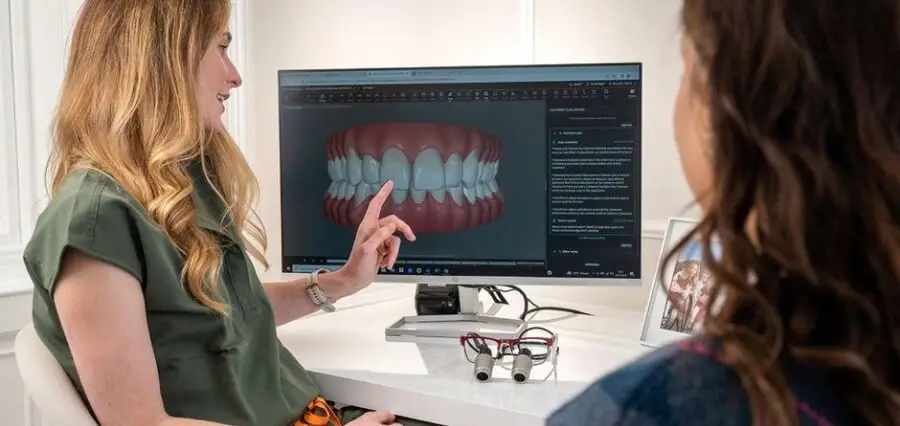
You’ve probably heard people compare braces and clear aligners like they’re interchangeable. They’re not. Both can correct many alignment issues, but the mechanics are different. Traditional braces use brackets and wires to apply controlled force over time. Clear aligners use a staged sequence of custom trays that gradually shift teeth.
For some cases, braces offer better control, especially when tooth rotation, vertical movement, or more complex bite correction is involved. Aligners can be more convenient when you want fewer food restrictions and easier brushing and flossing. Compliance matters a lot with aligners because they only work if you actually wear them as directed.
If you’re weighing braces and Invisalign in Kirkland, WA, the real question isn’t which option sounds cooler. It’s which one fits your orthodontic needs, your routine, and your ability to stick with treatment.
Your Bite Affects More Than Straight Teeth
A lot of people think orthodontics is mainly cosmetic. Straight teeth do matter, but your bite is the bigger story. When your upper and lower teeth don’t fit together properly, you can end up with uneven wear, jaw tension, speech issues, and trouble chewing certain foods.
Crowding also creates tight spaces where plaque hangs on longer. That raises your risk for cavities and gum inflammation, even if you brush every day. An overbite, crossbite, or open bite can slowly create problems that don’t feel urgent at first, then become expensive later.
Orthodontists look at alignment, occlusion, eruption patterns, and jaw development together. That clinical view turns treatment into something practical, not just aesthetic. You’re not only changing the look of your smile. You’re improving how the whole system works.
Your Age Changes the Treatment Strategy
Orthodontics isn’t only for middle schoolers with rubber bands and awkward yearbook photos. Teens still make up a huge part of orthodontic care, but adults now account for a growing share of patients. The treatment goals can overlap, though the strategy often shifts with age.
For kids and teens, an orthodontist may be able to guide jaw growth while permanent teeth are still erupting. That timing can reduce future complications or make later treatment more efficient. With adults, the focus is usually on tooth movement inside a fully developed jaw, often while working around crowns, missing teeth, old fillings, or mild periodontal concerns.
Your schedule also matters. A student athlete, a part-time worker, and a parent with back-to-back meetings won’t experience treatment the same way. Good planning includes biology, but it also includes real life.
Daily Habits Decide Whether Treatment Feels Smooth or Frustrating
The success of orthodontic treatment isn’t controlled only by the appliance. Your daily behavior has a huge impact. That includes oral hygiene, food choices, appointment attendance, and how seriously you follow instructions.
With braces, sticky candy, popcorn kernels, and hard snacks can damage brackets or wires. With aligners, forgetting to put trays back in after meals can slow progress fast. Poor brushing can leave decalcification marks around brackets, which means your teeth may be straighter at the end but not necessarily healthier-looking.
Small habits shape the entire experience. Keep a travel toothbrush in your bag. Use floss threaders or a water flosser if standard floss feels impossible. Set reminders on your phone for aligner wear. These aren’t dramatic life hacks. They’re the boring, effective systems that keep treatment moving and reduce avoidable setbacks.
Cost Is About More Than the Quoted Price
People often ask one simple question first: how much does it cost? Fair question, but the smarter version is broader. You need to look at total value, treatment complexity, insurance benefits, financing options, and what happens if you delay care.
A cheaper quote can become less attractive if it doesn’t include retainers, follow-up visits, or the level of monitoring your case needs. On the other side, untreated crowding or bite dysfunction can contribute to chipping, gum issues, and restorative work later. That turns a postponed decision into a more expensive one.
You should also think about time costs. Missed school, extra visits caused by broken hardware, and refinements from inconsistent aligner use all add up. Good orthodontic care isn’t only a line item on a payment plan. It’s a long-term investment in function, maintenance, and predictability.
The Best Results Depend on Planning After Treatment Ends
A lot of people treat the day braces come off or the last aligner tray is done like the finish line. It’s really the start of retention. Teeth have memory, and they can drift if you stop protecting the result.
Retainers help stabilize the bone and soft tissue around newly moved teeth. Some people need removable retainers worn nightly. Others may have a bonded retainer placed behind certain teeth. The exact plan depends on your case, but the principle stays the same: if you ignore retention, you risk losing part of what you paid for.
This stage deserves more attention than it usually gets. Ask how long retention lasts, how often retainers need replacement, and what signs of shifting to watch for. Orthodontic treatment changes your smile in a visible way, but the lasting win comes from keeping those changes stable for years. Following your orthodontist’s aftercare instructions and wearing your retainer as recommended can help prevent teeth from shifting back into their previous positions.