


Shaping Future Mobility
Cities were not originally built with the idea that so many people would need to move through them every single day. Streets that once carried a handful of carts now carry a constant flow of cars, buses, bicycles, and pedestrians, often all competing for the same narrow strip of space. As more people move into cities each year, that pressure only grows heavier. Sustainable urban mobility has become one of the defining challenges of how cities function, not as a distant concern for the future but as something already shaping daily life for millions of people right now.
The way people get from one place to another affects far more than convenience. It touches the air people breathe, the time they lose sitting in traffic, and the fairness of who can actually reach a job, a school, or a hospital without struggle. Rethinking how a city moves is really about rethinking what kind of place that city wants to be.
Why the Old Model Is Breaking Down
For decades, the answer to more people needing to travel was simply more roads and more cars. That approach worked for a while, but it has clear limits. Wider roads fill up almost as quickly as they are built, and the space needed to keep expanding them runs out fast in a crowded city.
Beyond the space problem, there is the matter of what all that traffic leaves behind. Congested streets waste enormous amounts of time and fuel, and the pollution from constant traffic settles over neighborhoods that often have little say in how those roads were planned. The old model was never designed with these costs in mind and cities are now paying for that oversight.
What Sustainable Urban Mobility Actually Means
At its core, sustainable urban mobility is about moving people efficiently without exhausting the resources or the wellbeing of the place they live in. It is not about banning cars outright or forcing everyone onto a bicycle. It is about giving people real choices, so that walking, cycling, public transit and driving can all work together rather than compete for the same limited space.
This requires more than just adding a bus route or painting a bike lane. It means designing streets and neighborhoods so that shorter trips do not automatically require a car and so that public transit feels reliable enough that people actually choose it over sitting in traffic alone.
Rethinking Public Transit
Public transit sits at the center of most serious efforts toward sustainable urban mobility. A bus or train that runs on time and covers useful routes can carry far more people in far less space than the same number of individual cars ever could. Yet transit only works if people trust it enough to rely on it regularly.
That trust comes from consistency. Service that runs infrequently or unpredictably pushes people back toward driving, even when they would rather not. Investment in transit therefore has to focus on dependability, not just coverage, because a system nobody trusts accomplishes very little no matter how far its routes reach.
Designing Safer, More Walkable Streets
Not every trip needs an engine behind it. Many short journeys within a city could easily be made on foot or by bicycle if the infrastructure actually supported it safely. Wide sidewalks, protected bike lanes, and street crossings that do not feel dangerous all make a real difference in whether people choose to walk or cycle instead of drive.
These changes tend to benefit a neighborhood well beyond transportation alone. Streets designed for people rather than only for vehicles tend to feel safer and more pleasant to spend time in, which strengthens the sense of community along the way.
Building More Efficient Urban Transport
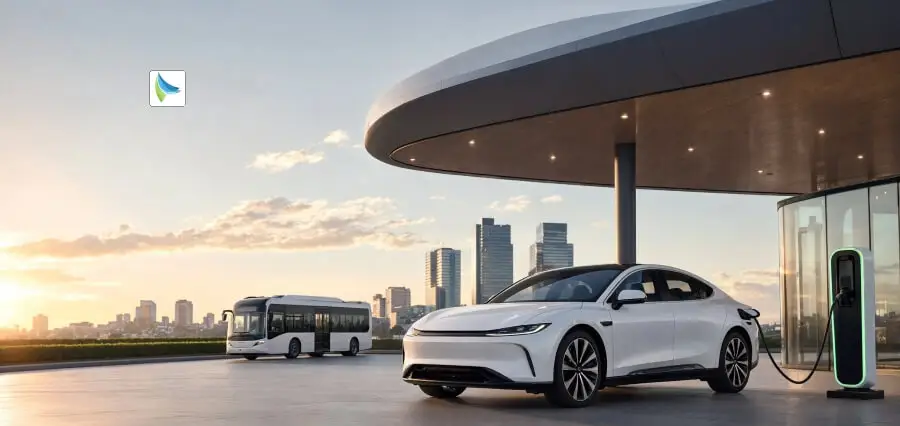
Cars will not disappear from cities anytime soon, and sustainable urban mobility does not require that they do. What it does call for is smarter use of the vehicles that remain. Shared vehicles, whether through ride pooling or shorter-term rentals, can reduce the total number of cars needed without eliminating the flexibility that driving offers.
Cleaner vehicle technology plays a role here too, reducing the pollution tied to whatever driving does remain. Together with the decrease in the number of cars, it could provide positive effects for air quality in polluted cities.
In Summary
The future of transportation in cities will not be shaped by a single solution but by many changes working together. Reliable transit, safer streets for walking and cycling and smarter use of vehicles all play a part in building something that can actually hold up over time.
Sustainable urban mobility asks cities to think beyond how people move today and consider what kind of movement the next generation will actually need. Getting this right will not happen overnight, but the direction is already becoming clear, and cities willing to commit to it now stand a far better chance of remaining livable in the years ahead.