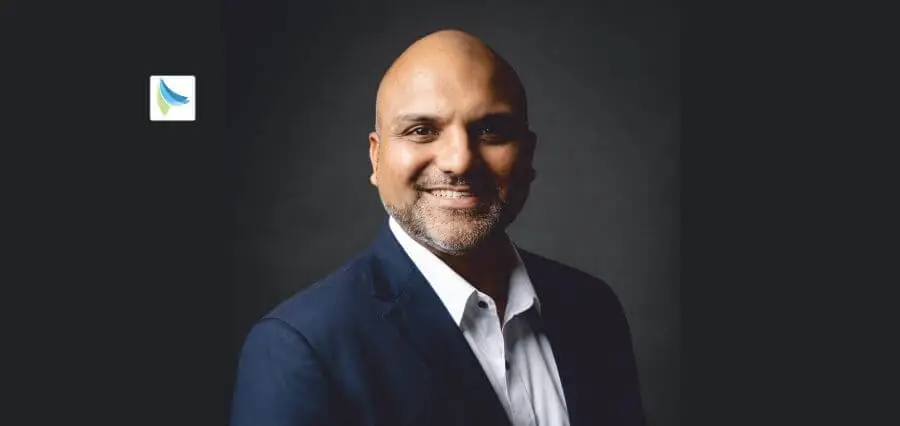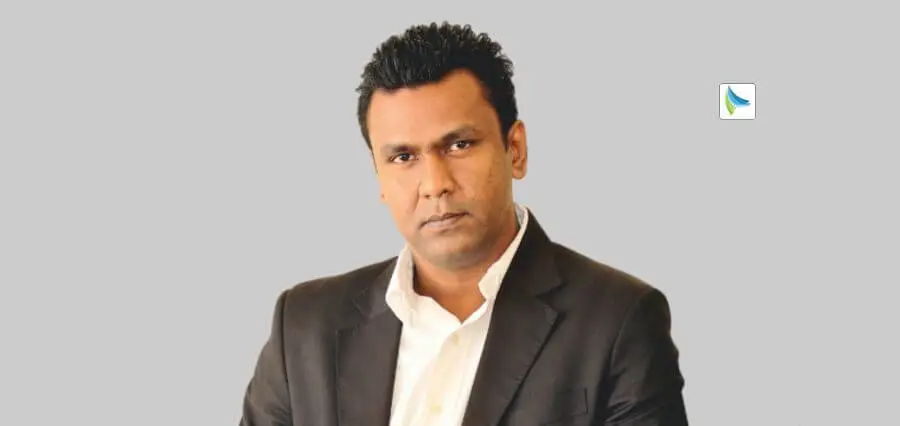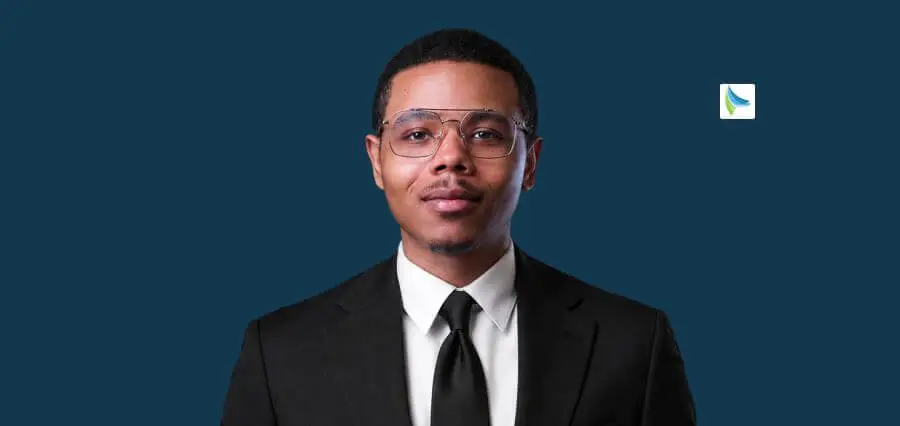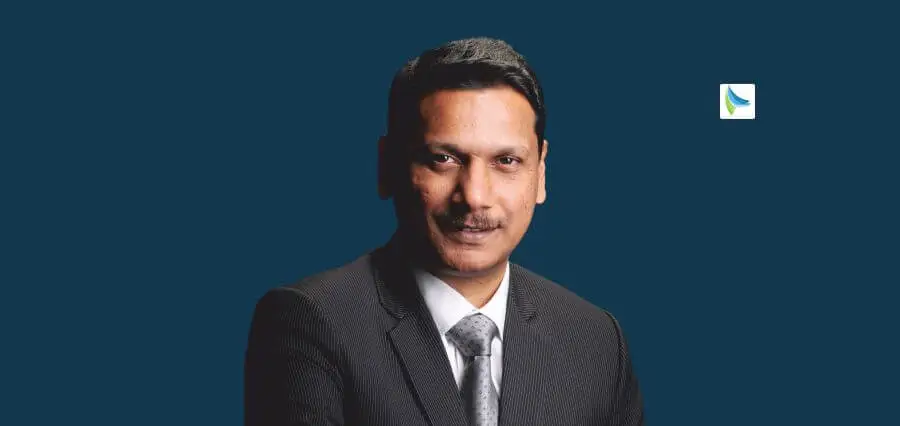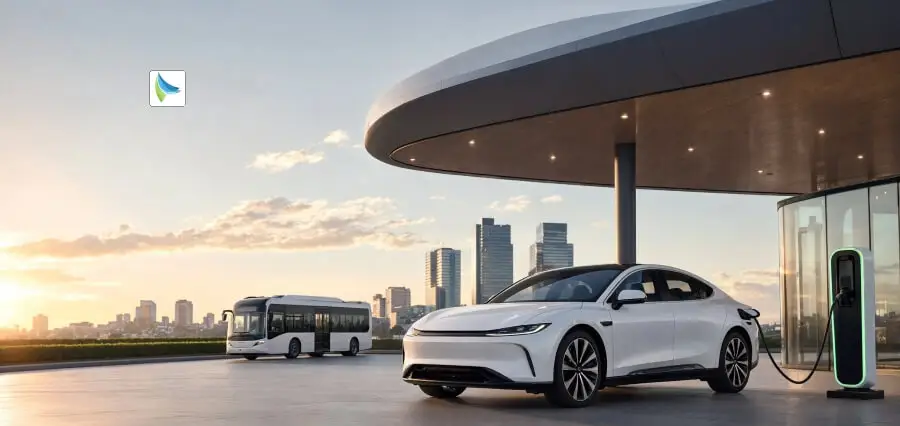




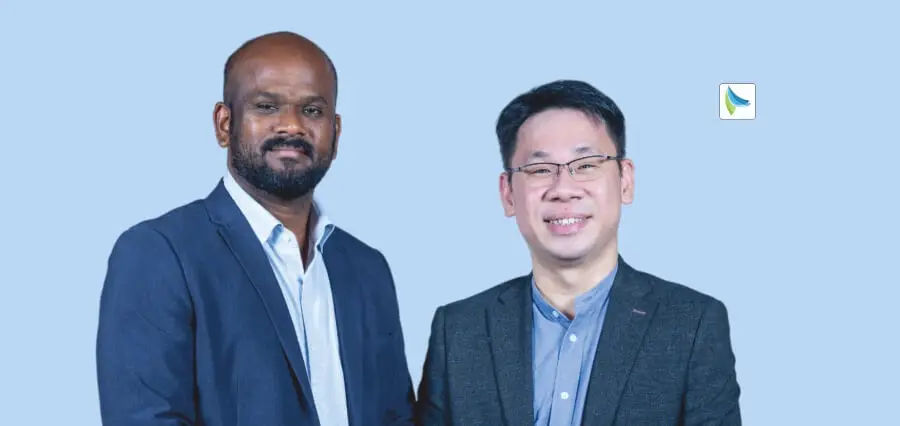
Entrepreneurial activities do not usually occur within the corporate boardroom; instead, they usually occur in difficult project conditions where self-discipline, technical expertise, and problem-solving abilities are key elements in developing the leadership traits. The entrepreneurial activity of Mr. Sathiyamoorthy Nagarajan and Mr. Lai Yuan Weng, Founders of MNL Solutions Pte Ltd is an example that shows the transition from the engineering and safety domain to entrepreneurship in green transportation in Singapore.
Nagarajan’s journey from Pudukkottai in Tamil Nadu to Singapore began in 2007 when several years of experience with safety and environmental management at work and in running big projects had taught him everything there was about risk management, compliance, and execution. Weng Lai Yuan, trained as an electrical engineer, established his professional experience through tackling problems at project sites. These two came together in 2016 and formed MNL Solutions.
In 2020, for instance, in the wake of an ambiguous era, the two entrepreneurs leveraged their joint knowledge of the industry to embark on a venture aimed at solving the challenge of providing convenient EV charging services. Through the zero-CapEx business model with a particular emphasis on compliance, reliability, and collaboration, the founders managed to solve the existing impediments of EV technology adoption.
Explore the inspiring journey of the leaders powering Singapore’s next chapter of sustainable mobility.
From Construction Sites to Co-Founders
Nagarajan’s path to entrepreneurship began far from Singapore. Born and raised in Pudukkottai, Tamil Nadu, he completed his Higher Secondary education at T.E.L.C. Higher Secondary School before arriving in Singapore in May 2007 with a clear determination to build a meaningful career. He started as a Safety Supervisor on institutional, condominium and pharmaceutical projects, absorbing the discipline of workplace safety and regulatory compliance during what he calls “long site hours, steep learning curves and the constant pressure of delivering under strict regulatory frameworks.”
Lai Yuan Weng, a Singaporean electrical engineer, followed a parallel track rooted in project-site problem-solving. The two men met in 2016 while working on project sites, and their shared technical grounding sparked an immediate rapport. “Our shared technical background and complementary strengths led us to team up,” Lai recalls. Four years later, in August 2020, amid pandemic uncertainty, the pair formally co-founded MNL Solutions under a guiding philosophy they named “Momentum for Next-Level.”
The Idea Behind MNL: Removing the Capital Barrier
The company’s founding insight emerged from a gap both men saw clearly from the ground. As Singapore accelerated toward its Green Plan 2030 and its electric mobility targets, condominiums, commercial buildings and public institutions across the island still lacked convenient EV charging. Traditional charging models demanded heavy upfront capital investment from building owners, a hurdle that slowed adoption considerably.
Nagarajan flipped the question building owners had grown used to hearing. “What if the charging operator absorbed the capital cost and shared the long-term revenue with the property owner?” he asks. That question became MNL’s zero-CapEx-plus-revenue-share model: the company installs, owns, operates and maintains the chargers, while the building simply provides the space and shares in revenue without spending a cent upfront.
Lai frames the same origin story through an engineer’s lens. He and Nagarajan wanted to deliver end-to-end, future-ready EV charging solutions that property owners, residents, and fleet operators could trust, built around certified hardware secured through an exclusive partnership with Schneider Electric, an intelligent Charge Point Management System, dynamic load management and a user-friendly app. The founders prioritized compliance with Land Transport Authority requirements, cybersecurity standards and open protocols such as OCPI from their very first installations, a discipline that helped MNL secure its EV Charging Operator license and grow steadily into a trusted name in the sector.
Building Through a Pandemic
MNL’s timing could hardly have been more testing: the company was incorporated in August 2020, in the thick of the COVID-19 pandemic. Site access grew restricted, supply chains for electrical equipment buckled, and many property managers deferred non-essential capital projects, leaving both founders navigating tight cash flow and steep uncertainty.
Rather than retreat, the partners leaned into the very model that set them apart. “We doubled down on the zero-CapEx proposition, precisely the solution that required no immediate outlay from building owners during a period of financial caution,” Nagarajan explains. The quieter period became an opportunity to refine internal processes, strengthen workplace safety and health protocols for a post-pandemic environment, and deepen conversations with long-term partners.
Lai echoes that account of turning constraint into advantage. MNL used the disruption to strengthen its technical foundations, deepen relationships with facilities management companies and property owners, and carefully select technology partners capable of meeting Singapore’s stringent requirements. The company avoided chasing volume and instead prioritized “compliance readiness and operational excellence,” a discipline that positioned MNL to grow steadily once the market reopened and EV adoption began accelerating.
Balancing Boardroom Pressure and Family Life
Running a fast-scaling infrastructure business exacts a toll that neither founder minimizes. For Nagarajan, who is also a husband and father, the answer lies in intentional structuring of time. “Early mornings and structured planning allow me to address critical business matters before the day becomes reactive,” he says, adding that meals together and weekend presence with his family remain “non-negotiable.” He credits community service with Lions Club Singapore and Tzu Chi Foundation with restoring rather than draining his energy, noting that serving the elderly or participating in flag days resets my perspective.
Lai approaches the same challenge through disciplined boundaries and delegation. He concentrates on high-impact project delivery, strategic partnerships and team empowerment so operational decisions do not rest solely on him, while protecting personal time for rest, family and simple recharging routines. “I try to be fully present in the moments I have away from work rather than constantly multitasking,” he says, adding that physical activity and time outdoors help him reset during periods of intense deadlines.
Strengths, Weaknesses and the Discipline of Delegation
Both founders point to a fusion of technical fluency and commercial instinct as the bedrock of MNL’s success. Nagarajan’s nearly two decades in workplace safety and environmental control taught him to anticipate risk, document rigorously and never compromise on safety, qualities, regulators and client’s trust. He describes his ability to discuss lock-out/tag-out procedures with technicians in the morning and partnership terms with a property developer in the afternoon as a defining strength behind MNL’s scale-up.
Lai’s list of strengths runs parallel: a strong grounding in electrical engineering paired with practical project execution, a preference for strategic long-term partnerships over short-term gains, and a relentless focus on user experience and operational reliability in residential settings.
Both men, notably, name the same weakness. Nagarajan admits he found it difficult to fully delegate in MNL’s founding years, which limited bandwidth and occasionally delayed scaling decisions. Lai reports a similar lesson, having underestimated the time and resources required for regulatory navigation and stakeholder education early on. Both describe delegation and capacity-building among their teams as an ongoing discipline rather than a solved problem, an honest admission that adds credibility to their broader leadership narrative.
Milestones, Awards and Recognition
The numbers behind MNL’s growth are striking. The company operates more than 1,000 charge points across Singapore, serving over 300 condominiums, commercial buildings and institutions, including major hospitals. It has dispensed more than 10 gigawatt-hours of clean electricity, avoided an estimated 1,900 tons of carbon dioxide, and employs a team of 60.
Recognition has followed the growth. MNL and its founders have collected the Prestige 100 Singapore Award, the Top Business Service & Quality Award 2025/2026, and the SME100 Fast Moving Companies Award 2025. Lai adds the Green Mobility Champion Award from the Singapore Sustainability Conference 2025, along with MNL’s status as an exclusive EcoXpert EV Charging System Integrator Partner under Schneider Electric. Nagarajan was separately nominated as an Ambassador for the UltraLuxe Iconic SG60 Game Changers in the Sustainability category and completed LTA’s EV Equipment Specialist training and Schneider Electric’s overseas program in Thailand. He also draws on an earlier chapter co-founding an engineering firm that managed an annual project portfolio worth S$15–20 million across HDB estates.
Beyond the office, both men stay active in community life. Nagarajan has volunteered over five years with Lions Club Singapore and over four years with Tzu Chi Foundation, alongside regular blood donation and support for Team Singapore athletes.
Advice for the Next Generation of Leaders
Asked what advice they would offer aspiring leaders, both founders return to the same themes: competence before title, and compliance as an asset rather than an obstacle. “Master the fundamentals before chasing the title,” Nagarajan urges, arguing that leaders should spend time on the ground learning where risks hide and what clients truly need before assuming authority. He also asks leaders to “put real capital and reputation behind your convictions” while building systems and people so the organization can outgrow any single founder.
Lai’s counsel mirrors that grounded approach while adding a regional lens. He tells aspiring leaders to root themselves in real problems rather than abstract trends, to treat regulation as a strategic asset, and to build complementary partnerships early rather than relying on technical excellence alone. “Leadership is less about titles and more about creating conditions for others to succeed while advancing a meaningful mission,” he says.
A Shared Mantra for the Road Ahead
Both founders describe MNL’s next chapter in strikingly similar terms: disciplined growth in service of a larger national purpose. Nagarajan is targeting a network of 5,000 chargers ahead of a planned IPO in 2028, developed and operated, in his words, from Singapore, for Singapore. His closing message to readers is direct: “Build something that makes Singapore stronger and cleaner, the rest will follow.”
Lai, for his part, ties the company’s daily operations to its founding name. “Momentum for Next-Level is not just a company name; it is a daily commitment to continuous improvement in service of a greener future,” he says, adding that he looks forward to collaborating with partners across Southeast Asia as the region pursues its own transition to cleaner mobility.
Together, the founders’ answers sketch a company built less on flashy disruption than on steady, compliance-first engineering, an approach that has already put more than 1,000 chargers on Singapore’s streets and shows every sign of powering many thousands more ahead.