


Transforming Urban Travel
Cities are changing. The way people move through them, the infrastructure built to support that movement, and the values driving decisions about urban planning are all shifting in response to pressures that can no longer be set aside. Air quality, carbon emissions, traffic congestion, and the long-term sustainability of urban life are all connected to how cities choose to move people from one place to another. The choices being made right now about urban mobility will shape city life for decades to come. Green transportation is at the center of those choices, and its influence on how cities develop, function, and feel is growing more significant with every passing year.
Why Urban Mobility Needed to Change
The model of urban mobility that developed through most of the twentieth century was built around a single dominant mode of transport. Cities designed themselves around it, infrastructure budgets were allocated toward it, and the assumption that this was simply how cities worked became so embedded that alternatives were difficult to imagine, let alone implement.
The costs of that model have become impossible to ignore. Poor air quality affects the health of urban populations in ways that carry serious long-term consequences. Carbon emissions from urban transport contribute meaningfully to broader climate challenges. Congestion reduces the productivity of cities and degrades the quality of daily life for the people living and working in them. The need for a different approach has been clear for some time. The question has always been how to get there without dismantling the systems that cities currently depend on.
What Green Transportation Brings to the City
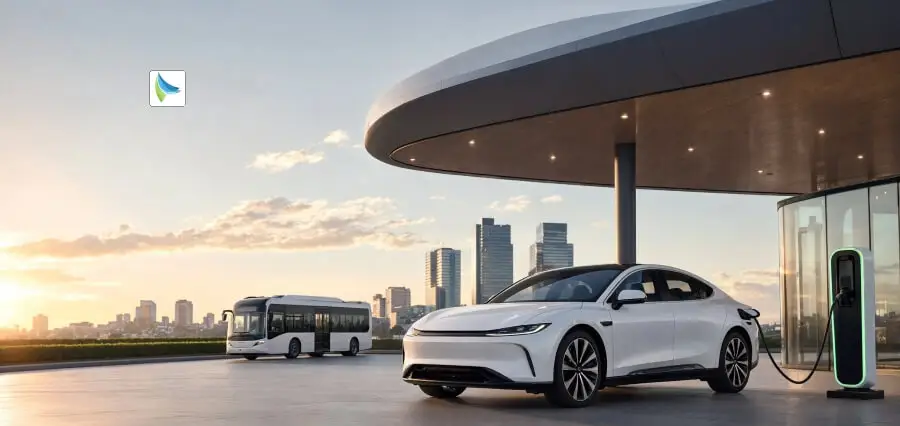
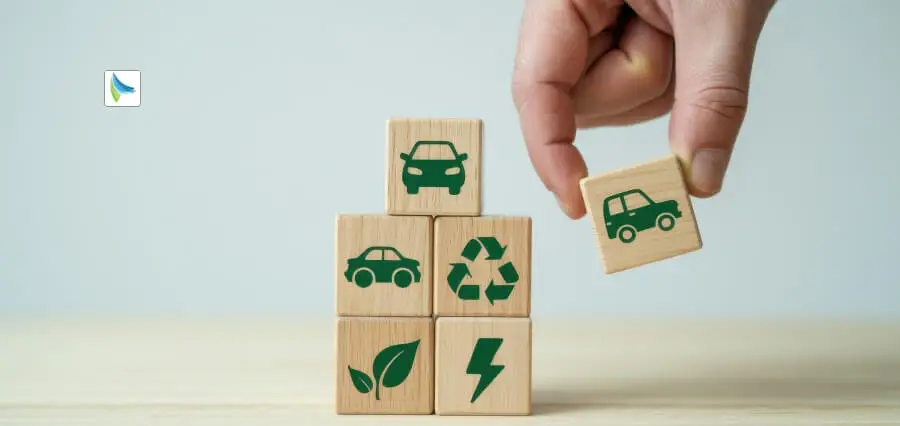
The shift toward cleaner, more sustainable urban mobility is not a single change. It is a collection of changes happening at different speeds and in different combinations across cities around the world. Electric vehicles are reducing the emissions from private transport. Public transit systems are being electrified and expanded. Cycling infrastructure is being built in places where it was previously absent or inadequate. Pedestrian-friendly urban design is making car-free movement more practical and more appealing.
Green transportation brings something to the city that goes beyond emissions reduction. It changes the texture of urban life. Streets that are quieter, cleaner, and less dominated by vehicle traffic become more livable spaces. Public areas reclaimed from parking or high-speed traffic become places where people can actually gather, move comfortably, and engage with the city around them. The environmental and the experiential benefits of cleaner urban mobility reinforce each other in ways that make the case for continued investment straightforward.
The Infrastructure That Makes It Work
Changing how a city moves is not simply a matter of changing what vehicles travel its streets. It requires the infrastructure to support new modes of transport, the planning to integrate them sensibly with existing systems and the investment to build and maintain what is needed over time.
Green transportation depends on this infrastructure as the foundation that makes individual choices practical. Charging networks for electric vehicles need to be reliable and accessible enough that making the switch feels genuinely convenient rather than burdensome. Cycling lanes need to be continuous, protected and well-connected to the destinations people actually need to reach. Public transit needs to be frequent, affordable, and comfortable enough to compete genuinely with the convenience of private vehicle use. When infrastructure meets this standard, behavior follows.
The Role of Policy in Accelerating Change
Infrastructure investment alone does not drive the pace of change that urban mobility needs. Policy decisions shape the environment in which transportation choices are made, creating incentives that pull behavior toward cleaner options and reducing the advantages that older, more polluting modes have accumulated over decades of policy designed around them.
Urban areas that facilitate the development of green transportation through policies will see more success with respect to this objective. Congestion pricing, emissions standards, subsidies for cleaner vehicles and transit use and zoning decisions that reduce car dependency all play a role in accelerating the transition. Cities that align their policy environments with their mobility goals tend to make measurably faster progress than those that rely on market forces alone to drive change.
Equity and the Question of Access
Sustainable urban mobility raises an important question about who benefits from the changes being made. New transportation options need to be accessible across income levels and geographic areas within a city if the transition is going to serve the full urban population rather than primarily those who already have more choices.
Green transportation that improves mobility for affluent neighborhoods while leaving underserved communities with the same inadequate options they have always had is not truly reshaping urban mobility. It is improving it selectively. The cities making the strongest progress are those that treat equitable access as a core design principle rather than an afterthought.
In Summary
The reshaping of urban mobility through green transportation is well underway, but it is far from complete. The cities that commit seriously to this transition, investing in infrastructure, aligning policy, and ensuring that the benefits reach all of their residents, are building urban environments that will function better, feel better, and serve their populations more sustainably for generations ahead.