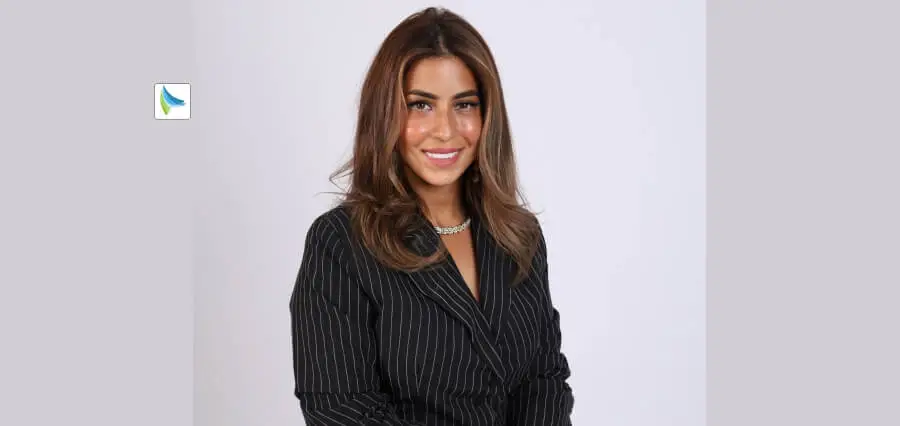




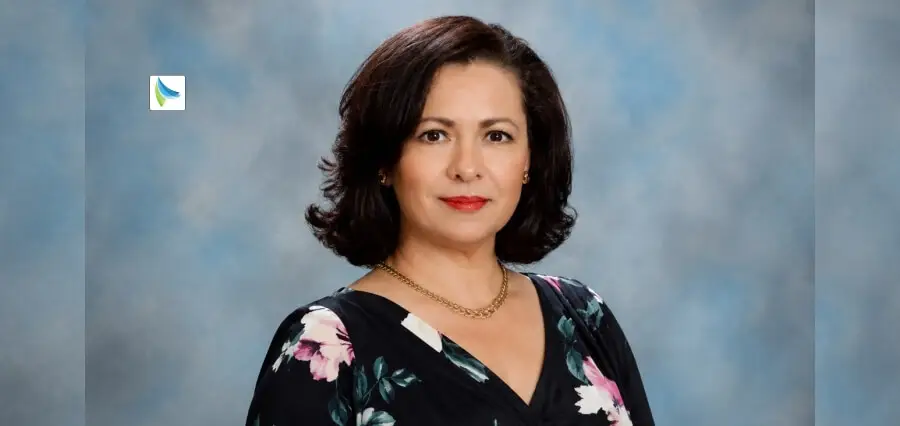
Many leaders take a proactive approach, while others focus on creating opportunities for their team members to step forward and demonstrate their abilities. Maria Johnston belongs to the latter group. She does not lead by giving orders, but rather creates an atmosphere in which people think and act in a self-confident manner. As CEO of M. Johnston Consulting, LLC, Maria has built her leadership career around this approach. Today, as a female entrepreneur, she wears many hats within her company, working closely with a small team of two employees, one full-time and one part-time, to bring this approach to life. Her path to leadership has been distinctive, shaped by a diverse range of professional experiences.
What makes Maria’s leadership style distinctive is the trust she places in the people around her. She helps employees recognize and develop their skills and potential while encouraging them to take ownership of their work. Maria’s management style raises an important question for business leaders and aspiring CEOs: “How do you build enough trust for people to stop waiting for instructions and start taking initiative?”
Turning Tough Problems into Solutions
Every leader has a story behind the nickname their colleagues give them. For Maria, that story is captured in the name “the Kraken.” This nickname dates back to earlier in her career, as she was growing into leadership roles, well before she founded her own firm. Her team gave her this nickname because they knew she would find a way to solve any problem that came her way, no matter how complex it seemed.
Maria believes her reputation was shaped by the most difficult periods of her career rather than the easiest ones. The setbacks taught her important lessons about leadership. Overcoming challenges that could have brought her progress to a halt strengthened her resilience and shaped her approach to leadership. She credits this resilience, along with her willingness to think beyond conventional solutions, for the confidence she brings to every challenge her business faces.
Her ability to look for unconventional solutions developed gradually. It was shaped by decades of experience in industries where traditional approaches often dominate. Maria continued to challenge those boundaries. As a result, she became a leader who views difficult situations as opportunities to find solutions rather than obstacles to fear.
Experience Shaped by Purpose
Maria’s reputation as a problem solver eventually led her to an unexpected role as an author. The decision to write a book was inspired by the women she met while speaking at events. After her talks, many women would approach her and say they had never realized they were capable of overcoming the challenges she had described.
Hearing these stories repeatedly convinced Maria that her message needed to reach a wider audience. She wanted to share her experiences beyond the rooms where she spoke. Her goal was never simply to tell her own story. She wanted every woman who read her book to recognize her own potential and understand that no one else should decide what she can or cannot achieve in life.
The book became an extension of the leadership principle that guides her management style. Maria focuses on helping people recognize their capabilities and giving them the confidence and freedom to act on them.
Leadership Built on Collaboration
Maria describes her leadership style in one word: consultative. Rather than giving employees direct instructions, she encourages open discussion and creates an environment where team members can work through challenges together. Effective leadership, in her approach, means giving people the opportunity to demonstrate their abilities, contribute ideas, and take ownership of their work. It also requires an openness to new perspectives and different approaches. Embracing change is an essential part of building and sustaining a successful business.
This approach developed over time. As Maria took on roles with greater responsibility, each position tested her commitment to consultation and collaboration. The approach remained effective even as the stakes grew higher. Today, her management style treats every employee as a contributor to the solution. She encourages people to take ownership, share their ideas, and play an active role in solving problems rather than simply following instructions.
Building Credibility Through Trust
Maria views credibility as something a leader must earn rather than claim. It is built through strong relationships over time. Her years as a lobbyist provided a clear example of this principle. Legislators would sometimes call her as late as 11 p.m. to seek her opinion on legislation. They often reached out when they had received conflicting information from other sources. Such calls reflected the trust and confidence she had built through her relationships.
This experience shaped her broader approach to credibility. She sees it as the result of consistent reliability, not a position or title. She carried this lesson into her consulting work. Clients now turn to her for the same reason legislators once did. They know they will receive a direct, honest, and reliable answer.
Balancing accountability with creative freedom is an important challenge for every executive. Maria approaches this challenge by focusing on strong team building. When employees trust their leader and know that their views will be heard, they become more open to guidance and accountability.
This trust allows a leader to participate in discussions, provide direction, and maintain accountability without making employees feel controlled. Team members can take ownership of their work while still understanding the expectations and responsibilities that come with it. The freedom employees receive does not mean a lack of structure. Instead, it comes from a clear structure built on trust. When trust is strong, guidance feels like support rather than an instruction.
Empathy as a Leadership Strength
Emotional intelligence and empathy are often discussed in leadership, but Maria puts them into practice every day. She wants every employee to feel like part of a team that works together to solve problems and achieve results. Throughout her career, she has shared a simple message with her teams: never be afraid to ask questions, speak up, or share an idea. She considers open communication essential to building a strong and effective team.
A team that is afraid to speak up may fail to identify important problems. Leaders may also miss opportunities to understand what their employees need. Maria therefore treats empathy as an important part of effective leadership. For her, empathy supports consultation, trust, and accountability. It creates an environment where employees feel heard, valued, and confident enough to contribute.
Learning Through Collaboration
Maria has developed a simple system to keep her teams innovative while ensuring they remain aligned with common goals. A key part of this approach is holding monthly and quarterly team meetings in person. She begins each meeting on a lighter note to create a relaxed environment. She then asks each team member to share the most difficult project or challenge they faced during the quarter and explain how they addressed it. The discussion then opens to the wider team. Others are encouraged to share if they faced a similar challenge and explain how they handled it.
The purpose of this format is to reinforce teamwork and shared learning. No employee is expected to solve every problem alone. Team members have a space to discuss challenges, share successful approaches, and learn from one another. Over time, these meetings have become an important source of knowledge for the organization. They encourage employees to speak openly about challenges and share practical solutions that can benefit the wider team.
These meetings also serve as an important tool for employee development. They give employees a platform to demonstrate their potential by sharing ideas, discussing challenges, and highlighting their achievements. They also provide useful insights for one-on-one conversations about career goals and development.
Maria makes it a point to ask each employee about their professional goals. This approach comes from her own experience earlier in her career. She worked with leaders who never asked about her future plans or offered guidance on how to achieve them. That experience shaped her approach to leadership. She understands that employees may not always know what opportunities are available to them. Leaders have a responsibility to ask about their goals and help them explore their potential.
She therefore encourages employees to put their goals into words. Clear goals can provide direction and make professional growth more achievable. By creating space for these conversations, she gives her employees an opportunity that was not available to her earlier in her career.
A Career Built on Diverse Expertise
Maria’s path to executive leadership began in technical engineering and later took her into sales, lobbying, consulting, and authorship. She started her career as an outside plant and inside plant (OSP/ISP) engineer. During this period, she earned her Registered Communications Distribution Designer (RCDD) certification, which became an important milestone in her career.
She later moved into sales and then into lobbying before founding her own firm, M. Johnston Consulting, LLC. Each transition required a different set of skills, and each experience added to her professional capabilities. Engineering taught her to approach technical problems with precision. Sales strengthened her ability to build relationships and communicate value. Lobbying taught her how to build trust with people who could be skeptical and how to communicate effectively under pressure. These experiences may appear unrelated to consulting, but each contributed to the leadership skills she uses today.
Maria considers founding her own business the greatest achievement of her career. At the same time, she recognizes the importance of everything that came before it. Each stage of her professional journey contributed to her development as a leader, business owner, and author. Her technical training, sales experience, and relationships developed through lobbying each provided skills that became valuable in later roles. Her career reflects how different experiences can come together to create a strong foundation for executive leadership. What may appear to be an unconventional career path became a defining strength and helped shape the foundation of her company.
Empowering the Next Generation
When Maria considers the legacy she hopes to leave, she focuses less on business achievements and more on the people she has led. She wants them to remember that she did not simply tell them what to do. Instead, she gave them the opportunity to share ideas, solve problems, and develop their own answers.
Her goal is for the people she has led to recognize that they had the ability to lead themselves. She wants them to leave each experience with greater confidence in their own judgment and capabilities.
This approach reflects the principles that have shaped her leadership style. Her consultative approach, focus on trust, emphasis on shared problem solving, and commitment to employee development all support the same goal. Across her work in engineering, lobbying, and consulting, Maria has maintained a consistent approach to leadership. She sees leadership as more than providing answers. It is about creating an environment where people feel trusted, supported, and confident enough to find their own solutions.