




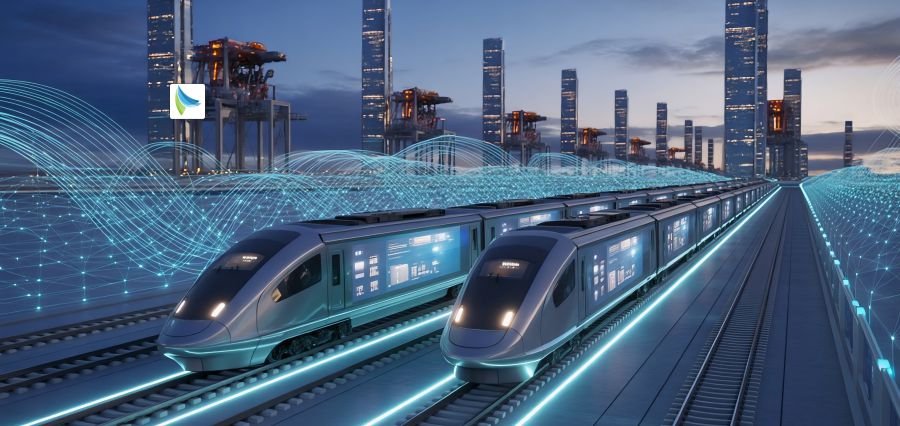
Revenue Growth Innovation
Industry leaders across the rail sector are looking closely at the infrastructure that supports their networks, their workforce, and their long-term output goals. Autonomous rail technology contributes more to an operation than its technical classification would indicate. It has become a defining factor in how rail enterprises plan, compete and grow. Businesses that give this area the same weight as other major investment decisions are gaining ground on those who treat it as secondary.
Output reliability and network capability move together. Rail systems running with precision and less reliance on manual intervention keep schedules on track, hold costs in check, and lift service quality. Operations that stay with outdated methods see inefficiencies pile up and margins come under pressure. Autonomous rail technology addresses these gaps directly, giving rail enterprises the consistency and control needed to perform at a higher level across every part of the network.
Connecting Technology Investment to Revenue Growth Innovation
Revenue growth innovation has moved from a strategic aspiration to an operational requirement. Rail enterprises are being measured not only on the size of their networks but also on how efficiently and profitably those networks run. Meeting that standard calls for investment decisions grounded in long-term value rather than short-term cost reduction. Autonomous rail technology delivers on both fronts, improving throughput, reducing operational expenditure, and opening commercial opportunities that older systems simply cannot support.
When rail enterprises align their technology investment with revenue growth innovation, the returns extend well beyond efficiency gains. Capacity increases, service frequency improves, and the ability to take on more complex freight and passenger demands grows without proportional increases in operating costs. That combination is what separates businesses building sustainable commercial momentum from those that are quietly managing decline.
Building Operational Capability Through the Right Technology
The decision to invest in autonomous rail technology carries consequences that extend well past the point of procurement. System configuration, integration with existing network infrastructure, data capability, and safety protocol alignment all determine the productive value delivered over the full asset lifecycle. Enterprises that measure these factors against total cost of ownership rather than initial spend find themselves in a stronger position on both performance and financial return as time goes on.
Building genuine capability takes more than minor upgrades that do not go far enough. Rail enterprises committed to revenue growth and innovation recognize that purposeful, well-directed investment is what moves the needle. Personnel working within well-designed autonomous systems make fewer errors, respond to disruptions faster, and deliver more consistent results across the board. Those results show up in service performance, stronger safety records, and a business that is better placed to grow without losing its footing.
Sustaining Competitive Relevance Through Strategic Alignment
Autonomous rail technology returns its full value only when supported by structured governance and long-term planning. System monitoring, performance review cycles, and lifecycle management are not administrative functions. They are the practices through which investment value is protected and extended over time. Enterprises that apply the same rigor to technology governance as they do to other critical assets build a track record of performance that strengthens their standing with customers, regulators, and investors alike.
Businesses that intend to lead their sectors recognize that revenue growth innovation is not a project with a fixed end point. It is a standing commitment to making decisions that keep the enterprise moving forward. That means investing in autonomous rail technology with long-term serviceability and commercial return in mind, equipping teams to work effectively within new systems, and maintaining the data needed to make sound decisions on capacity, performance, and future investment priorities.
Summary
Network performance is not something a rail enterprise achieves once. Every level of the business plays a part in sustaining it through the decisions made day to day. Autonomous rail technology sits among the foundational investments that shape how reliably and at what scale an operation runs. When selected carefully, governed with discipline, and connected to a clear strategy for revenue growth innovation, it moves well beyond a capital expenditure. It becomes a source of lasting commercial strength that holds firm as market conditions shift and competitive pressure increases.
Enterprises that intend to set the terms for their sector are not waiting for conditions to improve before committing to the right foundations. They are building them now, with the clarity that comes from knowing their decisions are grounded in long-term strategy rather than short-term convenience. That is the standard serious rail businesses are setting for themselves and their industry.