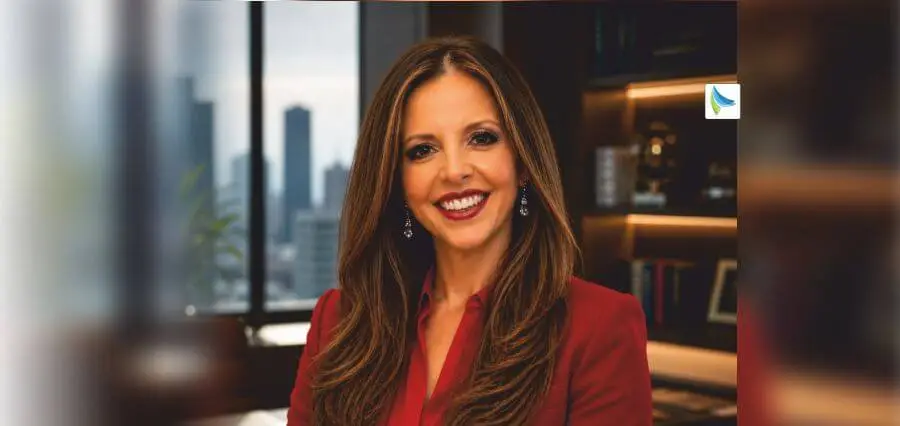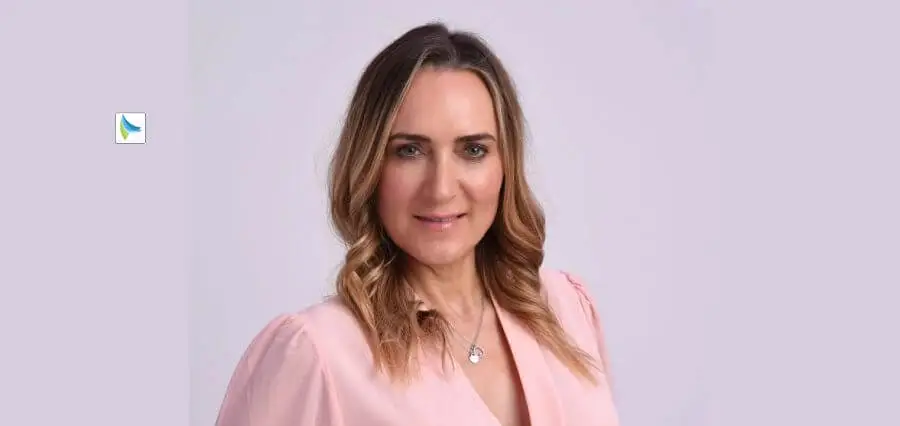



Most people who end up doing significant humanitarian work arrive there through proximity to suffering. They witness something that breaks them open and redirects their life. Dr. Duchess Letitia Kapuscinska’s path was more interior than that. She did not witness inequality from a distance and decided to respond. She lived in it, in her own body, navigating disability and serious health challenges in a world not designed to accommodate either gracefully. What that experience gave her was not sympathy for the vulnerability. It gave her something harder to manufacture and more useful in practice: a precise and personal understanding of what it feels like to need an opportunity that nobody around you have the power or inclination to create. That understanding became the engine of everything she has built since.
Today, Dr. Letitia serves as a Peace Ambassador working across peace advocacy, humanitarian work on two continents, published authorship, international education, and an initiative to establish dedicated centers of peace in multiple countries. She did not decide to serve people on the margins of what the world offers. She remembered what it felt like to be there, and that memory has never stopped being useful.
The roles she holds reflect the breadth of that mission rather than a single professional identity. She is President of Internal Affairs at ELFO, IGC Media Chair, Editorial Board Member for Peercite, and a Thought Leadership Contributor for Worth Minds. She serves as Continental Kindness Director, Royal Ambassador to the Imperial Office of Crown for the Kingdom of Numidoria, Investor Liaison for Sierra Leone, and Board Member of both the CNHC Professional Specific Board and CTII. As Strategic Partner of EWIC, Empowering Women in Communities, she supports programs built around women’s confidence, leadership, enterprise, wellbeing, and community advocacy. Alongside all of that, she carries the titles of humanitarian, diplomat, educator, entrepreneur, broadcaster, author, business strategist, media executive, international public speaker, and international award-winning artist. The list is long not because she collects positions but because the problem she is working on is large, and no single platform has been sufficient to address it.
A Life Shaped by Service
Dr. Letitia’s entry into humanitarian work was not a pivot from another career. It was an organic extension of how she had always moved through the world: by connecting people, identifying gaps, and finding practical ways to fill them. Over the course of her career, she has supported orphanages across Africa and Asia, advocated for peace at the diplomatic level, mentored entrepreneurs, developed educational programs, and amplified underrepresented voices through international media platforms that reach audiences across several continents.
Each initiative has reinforced the same lesson: sustainable impact is a product of collaboration, never individual effort alone. The moments she carries with her are not the awards or the recognition, though both have come. They are the children who received opportunities they never expected, the communities that found common ground around shared goals, and the partnerships that continued delivering results long after the initial funding ended and the spotlight had moved elsewhere. Those are the outcomes she measures herself against, and they are the reason she keeps going.
She reflects, “My greatest inspiration is seeing people discover hope, confidence, and opportunities they never believed possible.”
Books That Open Conversations
Writing, for Dr. Letitia, has never been about adding a credential or extending a personal brand. Her books explore resilience, healing, leadership, spirituality, entrepreneurship, mental wellbeing, and overcoming adversity with the kind of directness that comes from someone who has lived through each of those subjects rather than studied them from a comfortable distance. The intention behind every page is simple and consistent: to create something capable of changing the reader’s relationship with their own circumstances, rather than simply offering reassurance that things will get better.
She wants readers to understand that their circumstances do not determine their future, and that every setback carries the seeds of something more useful than the original plan would have produced. The books also serve her wider humanitarian mission by raising awareness of disability, health, education, social inclusion, and community development, turning individual reading experiences into conversations that extend well beyond the page and encourage readers to become active participants in the change they want to see rather than passive observers of it.
She states, “I never wanted to write simply to publish a book. I wanted to create something capable of changing lives.”
Earth Peace Palaces: Designing Peace Deliberately
The most ambitious expression of Dr. Letitia’s vision is the Earth Peace Palaces initiative; a project built on a premise that sounds straightforward but carries significant practical implications: peace cannot merely be discussed. It must be designed, taught, practiced, and sustained through physical and institutional structures that make collaboration the default rather than the exception that happens when everything else fails.
Her vision is to establish international centers that bring together diplomacy, education, healthcare, entrepreneurship, culture, environmental sustainability, and humanitarian partnership under one roof. These would be working spaces, not ceremonial ones, where governments, businesses, universities, faith leaders, and young people develop practical solutions to global challenges through sustained engagement rather than one-off summits. Long-term ambition is a worldwide network dedicated to cooperation, conflict prevention, and leadership development that continues serving generations who do not yet exist. It is exactly the kind of initiative that requires patience and long-horizon thinking she has spent her career building.
She explains, “Peace cannot be discussed. It must be designed, taught, practiced, and sustained.”
Leadership as Service, Not Status
Dr. Letitia’s philosophy of leadership is consistent across every context she operates in, whether at the diplomatic table, in a community development meeting, or in conversation with a first-time entrepreneur. People, she argues, do not follow titles. They follow integrity, consistency, and compassion demonstrated over time through actual decisions rather than stated values. The leaders who confuse the two tend to discover that distinction at exactly the wrong moment, when the trust they assumed they had turns out not to have been built at all.
Throughout her work she has observed that collaboration achieves far more than competition, and that the most durable solutions come from bringing together people across different nations, cultures, professions, and beliefs. Her own charitable work has tested that belief in environments where funding is limited; coordination is genuinely difficult, and the distance between intention and outcome is its widest. What has carried her through those periods is not abstract optimism but accumulated evidence: that patient, ethical, collaborative leadership produces results that outlast every shortcut.
She affirms, “When leaders genuinely listen, empower others, and remain accountable, lasting social change becomes possible.”
The Future She Is Building
Looking ahead, Dr. Letitia is expanding across every dimension of her work at once. International educational programs, humanitarian partnerships, leadership initiatives, global media platforms, and the ongoing development of the Earth Peace Palaces vision are all in active motion. Additional books are in progress. Broadcasting platforms are growing. Entrepreneurial mentorship programs extend their reach. Her framing of all of it is deliberate: the goal is not to grow organizations for their own sake, but to create ecosystems where education, innovation, business, health, creativity, and humanitarian work collectively improve lives at a scale that no single sector could achieve working independently.
The legacy she is working toward is one of unity. She wants to be remembered as someone who made collaboration easier, education more accessible, leadership more compassionate, and peace more practically achievable across a world that often makes all four unnecessarily difficult. She invites organizations, governments, universities, charities, investors, and individuals who share that direction to become partners in the work rather than observers of it, because the future she is building requires exactly the kind of collective commitment, she has spent her career demonstrating is possible.
She envisions, “I want to be remembered as someone who brought people together across nations, cultures, industries, and beliefs to create opportunities that improve lives.”