



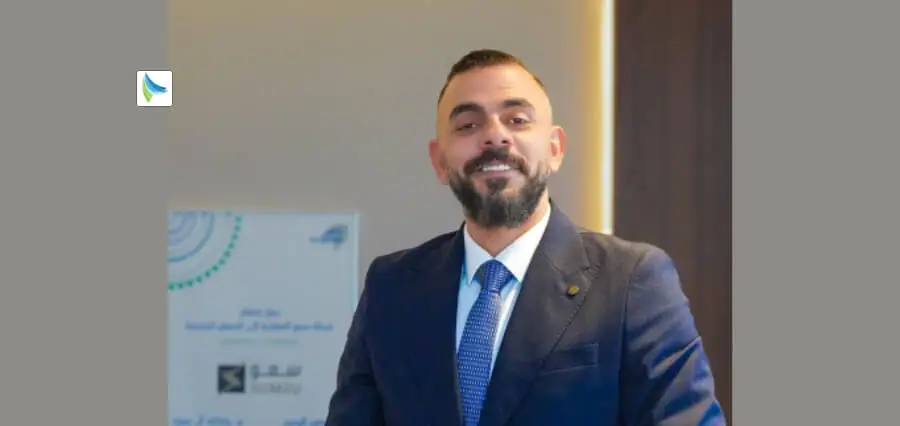
Real estate development is about more than building structures. It involves understanding market demand, project costs, investment goals, and the needs of communities. As Saudi Arabia continues to develop its infrastructure and diversify its economy under Vision 2030, the real estate sector has an important role in the country’s growth. Developers must balance business goals with long-term returns and the needs of the communities they serve.
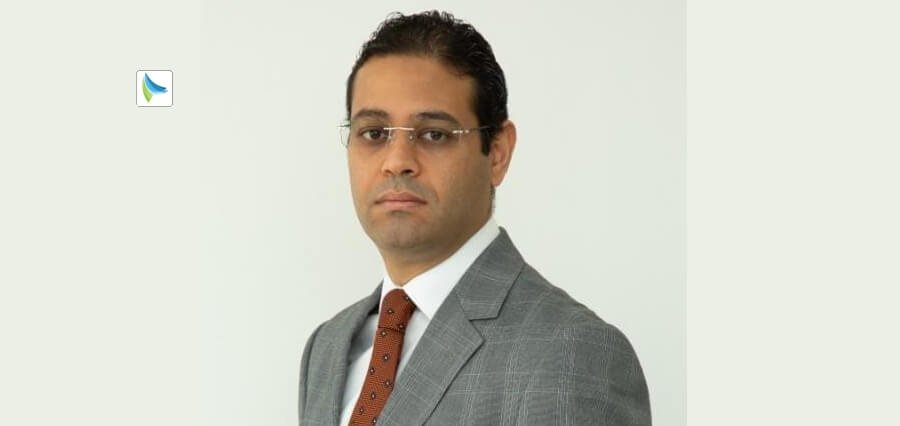
For Khaled Khattab, Chief Development Officer at Sumou Real Estate, successful development begins with the ability to bring these different elements together. With nearly two decades of experience across engineering design, real estate development, strategic planning, and executive leadership, he has developed a broad understanding of the industry. His approach combines technical expertise, financial discipline, commercial awareness, and strategic vision, with a focus on creating value that extends beyond the completion of a project.
Let’s explore how Khaled Khattab’s experience and leadership approach are shaping strategic real estate development at Sumou Real Estate!
From Engineering Design to Executive Leadership
Khaled’s professional journey began in engineering design, where he established a strong technical foundation before transitioning into real estate development and progressively assuming broader strategic and executive responsibilities.
Throughout his career, he has gained experience across diverse developments, including high-rise towers, mixed-use projects, large-scale master-planned communities, major infrastructure networks, residential compounds, and individual villas. Working across these different project types has shaped his ability to evaluate opportunities from technical, commercial, financial, and strategic perspectives.
He believes that successful development is not simply about constructing buildings; it is about creating sustainable economic value. For him, professional achievement is measured not only by the scale of developments, but also by the strategic value created, the challenges overcome, and the lasting impact delivered.
Aligning Development with Business Strategy
At Sumou Real Estate, Khaled approaches development as an integrated business function directly connected to corporate strategy and investment objectives. His focus is on aligning the entire development lifecycle, from opportunity identification, land evaluation, and feasibility studies to master planning, design, regulatory approvals, development management, and commercialization.
Every development decision must support financial viability, capital efficiency, market competitiveness, and sustainable growth. This requires close coordination between development, finance, investment, commercial, and project delivery functions to ensure that decisions remain aligned with the company’s wider objectives.
His objective is to transform development opportunities into commercially successful assets while strengthening the company’s long-term portfolio performance. As he explains, “Effective development leadership requires thinking like an engineer, evaluating like an investor, and deciding like a business executive.”
This approach places financial planning and project development within the same decision-making process. Rather than treating them as separate functions, he considers their relationship essential to achieving the company’s investment objectives and supporting sustainable growth.
Financial Discipline and Development Feasibility
For Khaled, financial feasibility is the foundation of every successful real estate development. His approach begins with a comprehensive evaluation of market demand, land potential, planning regulations, infrastructure requirements, development costs, and expected investment returns. He also places strong emphasis on sensitivity analysis, scenario planning, and the early identification of financial and technical risks.
Cost optimization, in his view, should begin during the planning and design stages. Decisions regarding land utilization, development density, infrastructure strategies, structural systems, and material specifications can significantly influence a project’s profitability. Throughout the development lifecycle, he prioritizes budget discipline, value engineering, procurement efficiency, and financial performance monitoring.
He also believes that balancing investment returns with project costs and community needs is essential. Financial performance, infrastructure efficiency, urban quality, and sustainability should be complementary objectives rather than competing priorities. This means integrating commercial feasibility with thoughtful master planning, efficient infrastructure, accessibility, and long-term asset functionality.
He advocates evaluating developments through their entire lifecycle rather than focusing exclusively on initial construction costs. As he puts it, “True cost optimization is not about choosing the cheapest solution; it is about maximizing value from every invested riyal while maintaining quality and long-term asset performance.”
Leadership Through Accountability and Teamwork
Managing real estate developments involves balancing investment objectives, technical requirements, regulatory frameworks, and the expectations of multiple stakeholders. Large-scale developments bring competing priorities and uncertainties, often requiring timely decisions with significant financial implications.
These experiences have shaped Khaled’s leadership philosophy around accountability, strategic clarity, decisive execution, and empowering high-performing teams. He encourages professional discussions and diverse perspectives, while also believing that effective leadership requires clear decisions and ownership of outcomes.
For him, leadership is not about controlling every detail. It is about establishing the vision, building the right team, and ensuring that strategic objectives translate into measurable results. Executive leadership also requires discipline, effective prioritization, and the ability to delegate responsibilities to capable professionals.
Understanding Saudi Arabia’s Changing Real Estate Market
Saudi Arabia’s real estate sector is undergoing a significant transformation, supported by Vision 2030, economic diversification, infrastructure expansion, and evolving market expectations. Keeping pace with these changes requires an understanding of market dynamics, demographic trends, regulatory developments, infrastructure investments, and emerging urban growth opportunities.
Khaled continuously monitors these factors to identify opportunities where market demand, development potential, and investment fundamentals intersect. He believes successful developers must anticipate future demand rather than simply respond to existing market conditions. This requires looking beyond immediate requirements and understanding how changing expectations may influence future development needs.
His approach also considers the wider contribution of real estate to economic and social development. A successful project must generate financial returns while contributing positively to the communities it serves. This makes thoughtful planning, efficient infrastructure, accessibility, and long-term asset functionality important parts of the development process.
As he explains, “A successful development generates financial returns; an exceptional development creates lasting economic, urban, and social value.”
Priorities for the Next Phase of Growth
As Chief Development Officer, Khaled’s priorities at Sumou Real Estate focus on strengthening development excellence, improving investment efficiency, optimizing development portfolios, and supporting the company’s sustainable growth. He aims to advance integrated development planning, enhance financial feasibility, strengthen governance, and promote innovative, cost-efficient development solutions.
Building organizational capabilities is another important priority, particularly as the company takes on increasingly complex and large-scale developments. He believes that successful execution will depend on bringing financial intelligence, engineering expertise, strategic planning, and market responsiveness together.
Looking at Saudi Arabia’s next phase of economic growth, he sees an important role for developers that can transform ambitious visions into financially viable, sustainable, and impactful developments. His ambition is to contribute to this progress by creating successful projects, strengthening development capabilities, and delivering enduring investment value.
Advice for Future Real Estate Leaders
For aspiring professionals in real estate and finance, Khaled recommends building multidisciplinary expertise and developing a comprehensive understanding of the real estate development business. Future leaders must understand engineering, financial modeling, investment analysis, market dynamics, procurement, risk management, and strategic planning.
Technical knowledge establishes credibility, financial understanding strengthens decision-making, and strategic thinking enables leadership. He also encourages young professionals to gain practical experience, challenge assumptions, develop analytical capabilities, and continuously expand their commercial awareness.
Above all, integrity, accountability, adaptability, and continuous learning remain essential. His advice is to look beyond managing individual projects and understand the wider business behind them: Do not aspire merely to manage projects. Aspire to understand investments, create opportunities, manage risks, and build lasting value.
For Khaled, the future of real estate development will depend on the quality of decisions, the strength of leadership, and the ability to create value that lasts. His experience across engineering, development, and executive management continues to shape this perspective, with a focus on connecting investment objectives with meaningful outcomes.
As he reflects in his closing statement, “Real estate development is the art of transforming vision into tangible economic and social value. Throughout nearly two decades of experience, I have learned that true success is not defined solely by the scale of what we build, but by the intelligence of our decisions, the strength of our leadership, and the lasting value we create.”