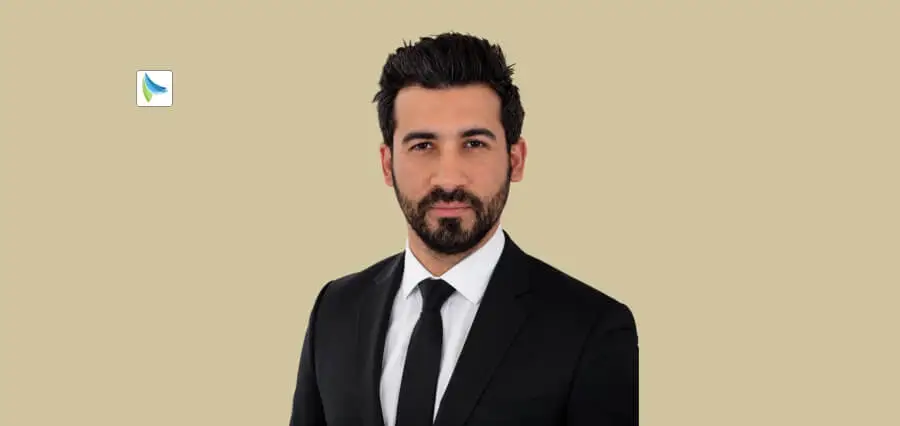




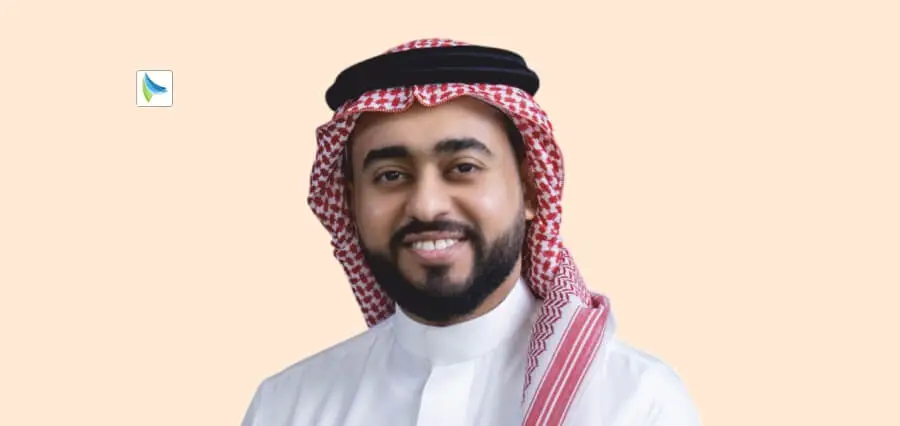
The essence of leadership lies not in the level of authority a person holds, but in the clarity, they bring to every decision. Effective leaders inspire people through the trust they build, the accountability they demonstrate, and the individuals they empower. For Mohammed Makkawi, Human Resources Director at ALESAYI HOLDING, leadership begins with clarity. He believes effective leadership goes beyond making decisions and setting expectations. It requires providing clear direction, taking responsibility for decisions, and ensuring that people understand the purpose behind every action.
This perspective has been shaped by his extensive experience in Human Resources, where every decision has tangible implications for both people and the organization. Through working closely with employees, managers, and senior executives, he has developed a deeper understanding of the importance of balancing organizational priorities with individual needs. These experiences have reinforced his belief that effective leadership requires sound judgment, accountability, and empathy. For him, leadership is measured not only by the decisions leaders make but also by the clarity with which they communicate them and the confidence and trust those decisions inspire in others.
The Foundation of Fair Leadership
Mohammed’s leadership philosophy is built on four core values: accountability, fairness, trust, and continuous improvement. These principles guide every difficult conversation and important decision. While each value may seem simple, applying them consistently requires discipline and commitment.
Fairness is the most important of these values. Human Resources connects people across every level of an organization. Decisions that appear to favor certain individuals can quickly undermine trust. To prevent this, he bases his decisions on clear principles, verified facts, company policies, and genuine business needs rather than personal preferences.
However, being fair does not mean being distant or unapproachable. Effective leaders must listen before making judgments. They should consider different perspectives and evaluate each situation carefully. Once they have gathered the necessary information, they must make decisions, even when those decisions may disappoint some people. Delaying a decision only prolongs uncertainty and discomfort.
Accountability is another essential part of this leadership approach. Taking responsibility for decisions and their outcomes sets a clear example for the team. The same expectation applies to every team member. At the same time, trust remains equally important. People perform better when leaders have confidence in their abilities rather than constantly monitoring their work.
These four values complement one another. Fairness without empathy can appear impersonal, while empathy without accountability can weaken decision-making. Balancing all four principles helps leaders make difficult decisions while maintaining respect for the people affected by them.
Leadership also requires continuous learning and improvement. Over the years, experience with organizational changes and interactions with colleagues have shaped this approach. Initially, the focus was on delivering results through individual effort. Today, the priority is on building strong teams, developing talent, improving HR practices, and creating solutions that deliver lasting business value. This shift reflects a broader understanding of leadership, where long-term success depends on empowering people, strengthening processes, and aligning organizational goals with sustainable growth. “I believe fair leadership means making decisions based on facts, principles, and business needs while treating every individual with respect,” he says.
Trust Through Understanding
Trust grows through transparency, fairness, and open communication. Mohammed ensures that employees at every level feel comfortable approaching him with their concerns. He handles each matter professionally and maintains confidentiality. Whether a junior employee raises a concern or a senior director seeks guidance, everyone receives the same respect and careful attention.
His approach is straightforward. Human Resources must listen, understand, and treat everyone with dignity while maintaining professional standards. Consistency is equally important. He honors his commitments, sets an example through his actions, and allows his work to demonstrate his values. He believes employees judge leaders by their consistent actions rather than their words alone.
Empathy is another essential part of his leadership approach. Employees face different personal and professional challenges, and he believes their concerns should never be treated as mere cases to resolve. He takes time to understand each person’s circumstances before making decisions. This involves listening carefully, considering the context, and balancing individual needs with company policies and business requirements.
He also believes that empathy does not weaken professional standards. Instead, it leads to better decisions by helping leaders understand how their choices affect people. A policy may appear appropriate on paper but fail to address the needs of the person affected. Considering the human impact of a decision helps ensure that it is both ethically sound and practical.
Advancing Through Innovation
For Mohammed, innovation does not mean adopting advanced technology or creating something entirely new. It means finding better, simpler, and more effective ways to work. He believes every leader can drive innovation, regardless of their budget or position.
His understanding of innovation has evolved over time. Initially, he focused on improving processes by removing unnecessary steps and simplifying forms. Gradually, he began to consider broader opportunities for improvement. Today, he focuses on enhancing the employee experience, using data to make better decisions, and developing HR structures that support business goals. He also believes leaders must regularly question existing practices and explore better ways of working.
Technology has played an important role in this transformation. He has seen HR evolve from traditional practices to integrated systems, digital workflows, and data-driven decision-making. These changes have influenced his leadership approach. HR now goes beyond managing people and administrative tasks. It uses technology and analytics to improve speed, accuracy, and efficiency. “I see innovation as the continuous pursuit of simpler processes, smarter solutions, and better ways to create value,” he says.
However, he believes technology should serve a clear purpose. It should support leaders, reduce manual work, and improve accuracy. This allows HR teams to focus more on strategic priorities and employee needs. He believes that effective systems free up valuable time, which HR professionals can then devote to meaningful conversations and stronger employee relationships.
Turning Challenges into Growth
Some of the most challenging experiences of Mohammed’s career have involved managing organizational change, restructuring, and the difficult decisions that accompany them. During these periods, he had to maintain business continuity while preserving the trust of employees affected by the changes. Balancing these priorities was often difficult.
These experiences taught him that making the right decision is only part of a leader’s responsibility. Communicating decisions clearly and managing their impact on people are equally important. Difficult situations have strengthened his ability to remain confident under pressure and make objective decisions when emotions run high. They have also taught him to focus on practical solutions rather than react impulsively.
He applies the same principles to resilience. For him, resilience means remaining focused and composed during challenging circumstances while continuing to move the organization forward. HR leaders regularly deal with sensitive issues and conflicting expectations. He has learned to manage pressure without allowing it to affect his judgment. He views setbacks as opportunities to learn, adapt, and develop a clearer plan of action.
Resilience also strengthens his ability to delegate. Leaders who remain composed under pressure can create an environment where others feel confident handling challenges and learning from experience. Through years of practice, he has developed this trust in his team and recognizes the importance of giving others the opportunity to take responsibility and grow.
Developing Future Leaders
Effective leadership development requires more than training programs. People grow when they are given meaningful responsibilities and opportunities to make decisions.
Mohammed gives emerging leaders ownership of real projects and allows them to make decisions within clear boundaries. He remains available to provide guidance and challenge their thinking. At the same time, he gives them the freedom to develop their own solutions and learn from their mistakes. His role is to provide direction, ask thoughtful questions, and help them understand the consequences of their choices. This approach requires patience from him and confidence from those he mentors.
This philosophy reflects his own growth as a leader. Earlier in his career, he focused on delivering results through his individual efforts. With experience, he has learned that empowering others and giving them the space to grow can strengthen the entire organization. He now recognizes that effective leadership is not only about taking action but also about enabling others to succeed. “I develop future leaders by giving them meaningful responsibility, encouraging independent thinking, and creating opportunities to learn through experience,” he says.
Redefining HR for Business Growth
When asked about his proudest achievement, Mohammed highlights the transformation of Human Resources. He has helped move the function from a primarily operational role to a structured and strategic business partner. He considers this transformation the defining achievement of his career.
This journey involved strengthening HR structures, improving processes, supporting the organization through periods of change, and encouraging HR teams to take greater ownership of their responsibilities. However, he believes the true value of this work lies in the people rather than the processes. He finds the greatest satisfaction in seeing the business benefit from these improvements and watching the leaders he has mentored grow into roles they once aspired to hold. “I believe HR creates lasting business value when it strengthens people, improves processes, and aligns talent with organizational goals,” he says.
Building a Lasting Legacy
A leader’s legacy is not defined by a title or position. It is reflected in the people they develop and the organization they help strengthen.
Mohammed’s understanding of legacy has evolved throughout his career. Earlier, he measured success through his personal contributions and achievements. Over time, he learned that lasting impact comes from building capable teams, developing future leaders, establishing sustainable processes, and fostering a culture that continues to deliver results even in his absence. He believes that effective leadership means preparing others to carry the work forward independently.
His vision for his legacy is simple yet meaningful. He hopes the people he has worked with will grow into stronger leaders and that the organization will continue to benefit from the systems, processes, and culture they have built together. He considers this lasting impact the true measure of a successful leadership journey. “I measure my legacy by the leaders I help develop and the lasting value the organization continues to create beyond my tenure,” he says.