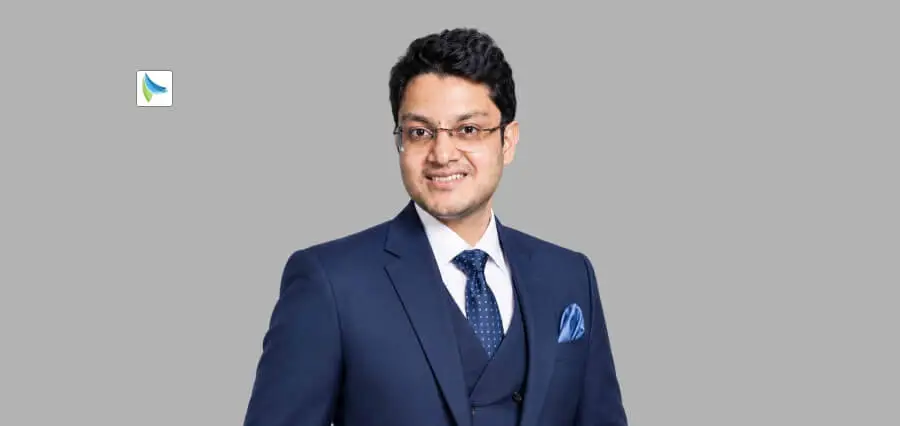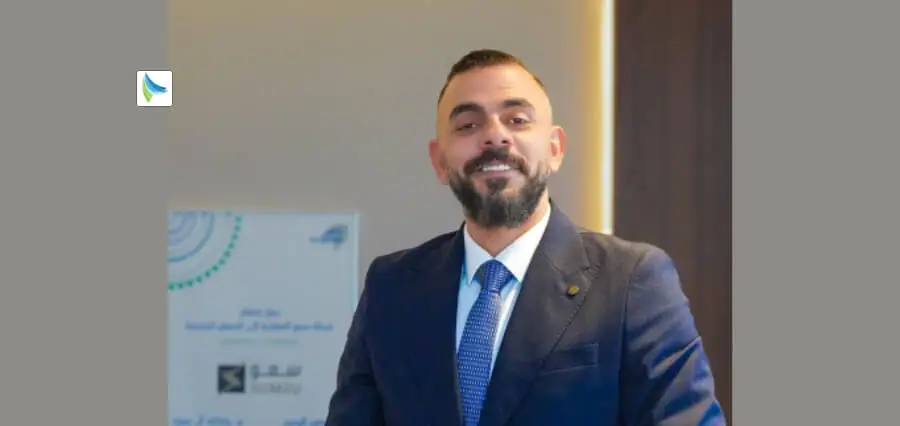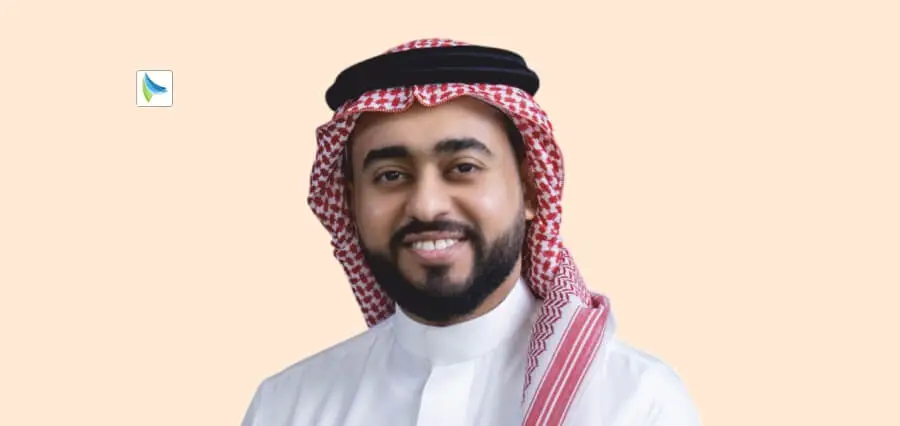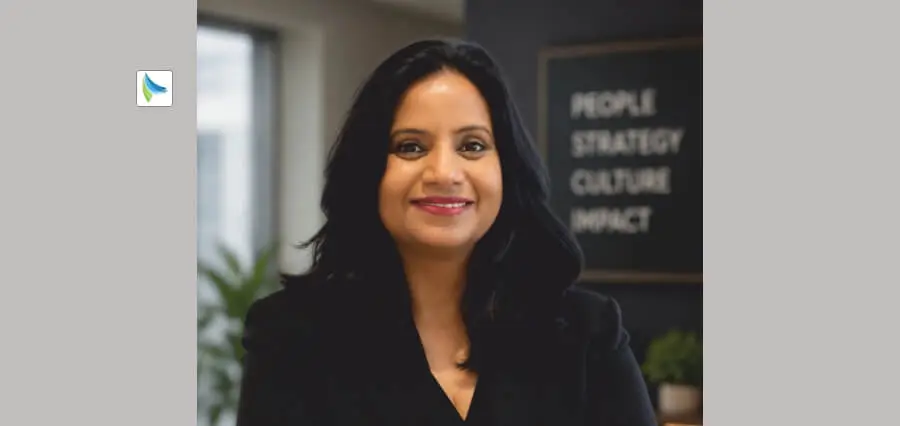




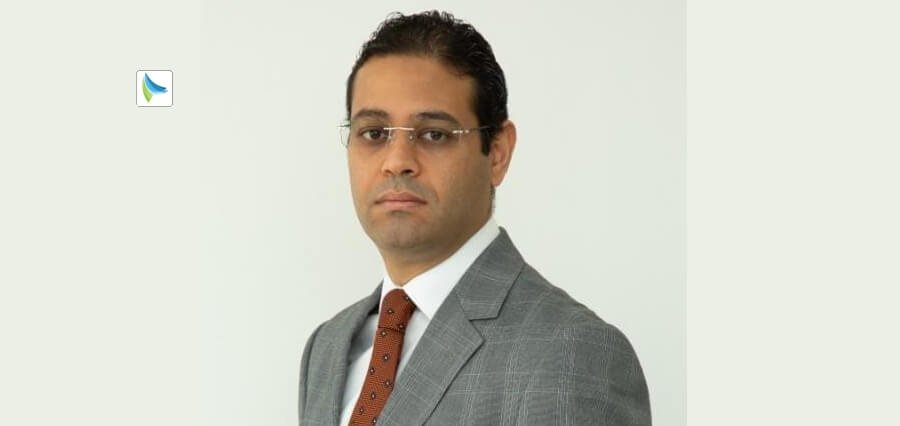
Finance used to be judged by how accurately it recorded the past. Today, boards and investors expect it to shape what comes next, which means weighing risk, challenging assumptions, and making sound calls when the full picture is still unclear. That shift favors leaders whose experience extends beyond the finance function into governance, audit and risk and who are willing to deliver difficult messages when the business needs to hear them. Mohamed Abdelhameed, Chief Financial Officer of Sumou Real Estate, brings that perspective to the role. His work centers on building stronger institutions, where transparent decisions, and independent judgment help the business create lasting value.
Beyond Numbers and Reporting
Mohamed’s professional journey spans financial management, internal audit, risk advisory, corporate governance, and executive leadership. These experiences have shaped his understanding of how financial decisions, governance, and business performance contribute to long-term organizational value.
One of the defining stages of his career was leading risk advisory at BDO, where he worked with organizations facing strategic, operational, and governance challenges. His subsequent senior roles in internal audit and risk management within listed companies strengthened his understanding of the relationship between governance, business performance, and value creation.
His transition into the Chief Financial Officer role brought these experiences together. It reinforced his belief that effective financial leadership requires more than technical expertise. Commercial understanding, independent judgment, and the ability to translate financial information into meaningful business decisions are equally important.
Leading with Clarity and Accountability
Mohamed’s leadership philosophy rests on three principles: clarity, accountability, and independent thinking. He believes people perform better when they understand what is expected of them and why their work matters. Clear objectives, defined responsibilities, and an environment that welcomes constructive disagreement help teams work effectively.
For him, “Leadership is not simply about authority. It is measured by the quality of decisions, the capabilities developed within an organization, and the results achieved.” When facing complex situations, he distinguishes facts from assumptions, evaluates alternatives objectively, and challenges established practices when they no longer serve the organization’s interests.
This approach encourages people to take responsibility while contributing their perspectives. It also places sound judgment at the center of effective leadership.
Building Trust Through Transparency
According to Mohamed, trust is built through consistency between a leader’s words and actions. In finance, credibility is particularly important because decisions often affect competing interests and involve difficult trade-offs.
He believes stakeholders are more likely to support difficult decisions when they understand the reasoning behind them, the alternatives considered, and the associated risks. His approach involves communicating transparently, acknowledging uncertainty, and ensuring financial recommendations are supported by sound analysis.
He also recognizes the importance of delivering uncomfortable messages when necessary. The finance function must maintain its professional independence while remaining a constructive partner to the business. For him, credibility develops through competence, integrity, and consistent judgment over time.
Combining Empathy with Accountability
Mohamed views empathy and accountability as complementary qualities. Understanding people’s circumstances, motivations, and capabilities helps leaders determine how best to support and develop their teams. At the same time, empathy should not become a reason to avoid difficult conversations or compromise professional standards.
His approach is to set clear expectations, provide appropriate support, and assess performance fairly. He also recognizes that individuals respond differently to pressure, change, and uncertainty. Effective leadership therefore requires adapting communication and management approaches without losing sight of organizational objectives.
He believes, “A strong team environment is one in which individuals feel respected, comfortable expressing their views, and fully accountable for their responsibilities.” This balance allows leaders to understand individual perspectives while maintaining the standards needed for performance.
Innovation with Purpose
For Mohamed, “Innovation begins with questioning existing processes rather than automatically accepting them as the best available approach.” In finance, meaningful improvements do not always require sophisticated technology. They may involve simplifying a process, removing unnecessary approvals, or improving how information is analyzed and communicated.
He believes every proposed improvement should answer three questions: What problem does it solve? What measurable benefit will it deliver? What risks might it introduce?
These questions help teams evaluate ideas objectively and maintain accountability. Innovation should be encouraged, but experimentation must remain disciplined. The goal is sustainable improvement in efficiency, decision-making, and organizational performance rather than change for its own sake.
Preparing Finance for a Technology-Driven Future
Technology is changing the expectations placed on finance leaders. Accounting, reporting, and transaction-processing activities are increasingly supported by automation and advanced analytical tools. As these activities evolve, finance must focus more on forward-looking analysis, business partnering, and strategic decision support.
Mohamed sees opportunities in artificial intelligence, predictive analytics, and integrated financial systems. However, he believes “technology is only as valuable as the quality of the information and judgment behind it.”
Finance leaders must understand technology without becoming dependent on it. Analytical curiosity, adaptability, professional skepticism, and the ability to distinguish meaningful insights from misleading outputs are essential qualities. In his view, the future CFO will be judged less by the volume of information produced and more by the quality of decisions that information enables.
Turning Challenges into Improvement
One of the recurring challenges in Mohamed’s career has been addressing the gap between established organizational practices and what an organization needs to achieve its full potential. Across risk advisory, internal audit, and financial leadership, he has encountered situations where traditional approaches, fragmented responsibilities, and resistance to change limit effectiveness.
His transition into executive financial leadership reinforced an important lesson. Identifying weaknesses is relatively straightforward, but transforming an organization while maintaining business continuity, stakeholder confidence, and operational effectiveness is considerably more challenging.
These experiences taught him that leadership sometimes requires questioning long-established practices, challenging conventional thinking, and making decisions whose benefits may not be immediately visible.
For him, resilience means more than enduring pressure. It involves maintaining intellectual independence, strategic perspective, and the determination to turn difficult circumstances into opportunities for meaningful and sustainable improvement.
Strengthening Governance and Creating Value
Mohamed values the opportunity to influence how organizations think, make decisions, and create sustainable value. His experience includes establishing and strengthening governance, internal audit, and risk management capabilities, contributing to IPO readiness, and supporting boards and executive management in addressing complex business challenges.
His transition from governance and assurance leadership into strategic financial management has been particularly meaningful. It has allowed him to combine his understanding of risk and organizational structures with financial strategy, capital allocation, funding decisions, and business development.
He is especially proud of contributing to the evolution of finance from a function primarily concerned with recording and reporting historical performance into one that actively shapes future outcomes.
He believes valuable leadership achievements are not always reflected in immediate financial results. They can also be measured by an organization’s improved ability to make better decisions, adapt to change, and create long-term value. His aspiration is to challenge conventional thinking, build institutional capabilities, and leave organizations stronger than he found them.
Advice for Emerging Leaders
Mohamed encourages emerging leaders to develop breadth of understanding without compromising depth of expertise. Technical competence is essential, but executive leadership also requires an understanding of how organizations create value, how different functions interact, and how strategic decisions affect financial and operational outcomes.
He emphasizes the importance of independent judgment and the confidence to ask difficult questions. Emerging leaders should not confuse seniority with wisdom, activity with achievement, or compliance with effective governance.
Above all, he encourages intellectual curiosity. The willingness to reconsider assumptions, learn from mistakes, and continuously develop new capabilities supports sustained leadership effectiveness.
A Legacy of Stronger Institutions
Mohamed hopes to build a leadership legacy associated with stronger institutions, better decision-making, and the development of capable, independent professionals. He believes successful leaders should establish organizations that do not depend excessively on particular individuals. This requires effective systems, transparency, critical thinking, and the empowerment of people to exercise sound judgment.
He also hopes to change perceptions of finance and governance functions, recognizing them as essential contributors to strategic value creation rather than activities focused primarily on supervision or compliance.
His central message for future leaders is that integrity, intellectual independence, and accountability are not obstacles to business success. They are among its most important foundations.
Through his experience in risk, governance, assurance, and strategic financial management, Mohamed Abdelhameed advocates financial leadership grounded in clear thinking, transparent decisions, and long-term value. For him, financial excellence is measured not by numbers alone, but by the quality of the decisions, systems, and people those numbers help guide.