



Distracted driving can affect a Phoenix car accident claim by making it important to prove who caused the crash. Evidence of phone use, texting, or another distraction may help establish fault and support a claim for compensation.
Arizona has a large network of highways, city streets, and rural roads. Drivers across the state share these roads with cars, trucks, motorcycles, cyclists, and pedestrians. Arizona also has laws that address certain types of cellphone use while driving, making distracted driving in Arizona an important issue after a crash.
Distracted Driving Can Help Establish Fault
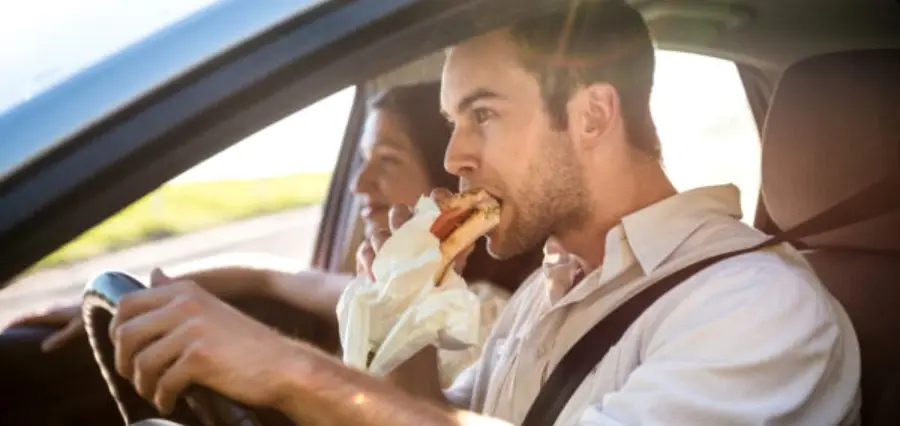
Drivers are expected to pay attention to traffic and maintain control of their vehicles. Looking at a phone, sending a message, eating, adjusting a device, or focusing on another activity can take attention away from the road.
If that behavior contributes to a collision, it may help establish who was responsible. Police reports, witness statements, photographs, and video footage can provide evidence about what the driver was doing before the crash.
Arizona Law Restricts Certain Phone Use
Arizona Revised Statutes § 28-914 restricts drivers from physically holding or supporting a portable wireless communication device while operating a vehicle. The law also prohibits writing, sending, or reading text-based communications while driving, subject to specific exceptions.
A violation of this law does not automatically decide a personal injury claim. However, evidence that a driver was using a device in violation of Arizona law may be relevant when determining how the accident happened.
Evidence Can Make a Difference
Distracted driving can be difficult to prove because the behavior may happen only moments before a collision. Evidence from the accident scene can therefore be valuable.
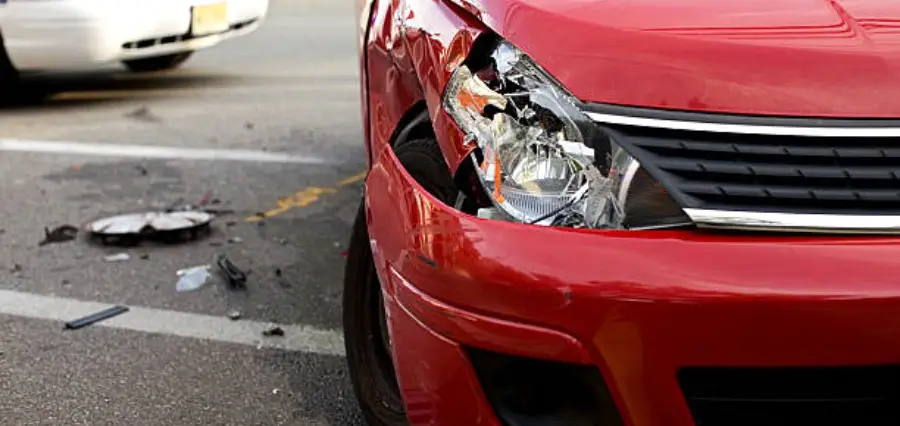
Photos of vehicle damage, road conditions, traffic signs, and the surrounding area can help show how the crash occurred. Witnesses may also be able to explain whether they saw the driver looking at a phone or focusing on something other than driving.
Depending on the circumstances, traffic camera footage, surveillance video, phone records, or other electronic evidence may also help establish what happened.
The Type of Crash Can Affect the Claim
Distracted drivers can cause different types of collisions. Rear-end crashes may happen when a driver fails to notice stopped traffic. Intersection crashes can occur when a distracted driver fails to notice a traffic signal or another vehicle.
The injuries from these crashes can range from minor bruises to broken bones, spinal injuries, or traumatic brain injuries. The seriousness of the injuries can affect the damages involved in a personal injury claim.
Medical Records Can Support Your Losses
Medical documentation can help connect injuries to the accident. Records may show emergency treatment, hospital stays, medication, physical therapy, surgery, and other necessary care.
A claim may also involve lost wages if an injury prevents someone from working. Depending on the circumstances, compensation may include other losses such as pain and suffering and the effect of the injury on normal daily activities.
Comparative Fault May Affect Compensation
Arizona follows a comparative fault approach when more than one person may have contributed to an accident. An insurance company may therefore examine whether the injured driver also made a mistake that contributed to the crash.
For example, an insurer could argue that the injured person was speeding, failed to signal, or otherwise contributed to the collision. Evidence from the accident scene and witness accounts can help determine whether such arguments are supported by the facts.
Insurance Companies Review Distracted Driving Claims
An insurance company may investigate whether distraction actually caused the collision. It may review police reports, photographs, witness statements, medical records, and other available evidence.
It is important to keep accident-related documents and avoid making guesses about details that are not known. A clear and consistent account of the crash can help when the cause of the accident is disputed.
Taking Prompt Action Can Protect Your Claim
A distracted driving crash can create medical expenses, lost income, property damage, and other difficulties. Preserving evidence soon after the accident can make it easier to determine what happened.
Understanding Arizona’s distracted driving rules and gathering information about the crash can help an injured person make informed decisions about a potential claim.
Key Takeaways
- Distracted driving can help establish fault in a Phoenix car accident claim.
- Arizona law restricts certain handheld device use and texting while driving.
- Witnesses, photographs, video, and phone records may help prove distraction.
- Medical records can document injuries and related expenses.
- Comparative fault may affect the compensation available.
- Insurance companies may investigate whether distraction caused the crash.
- Preserving evidence early can help support a car accident claim.