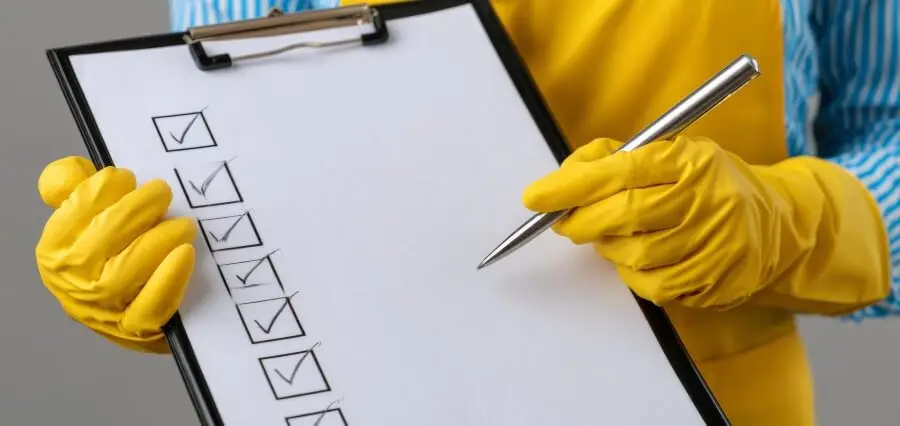




Something changed in how Austin clinics buy cleaning services. Five years ago, a practice manager asked two questions. What does it cost? Can you come after hours? Today the conversation starts elsewhere. Cleaning companies like naecleaningsolutions.com now get asked for documentation that felt excessive in 2020.
This is a healthy shift. Medical office cleaning moved from a facilities expense to a compliance function. The buying criteria had to catch up.
What Medical Practices Now Require From Cleaning Vendors
A modern healthcare cleaning RFP reads like a vendor qualification. Common requirements include:
- Written disinfection protocols. Products, dwell times, and the order of work in clinical areas.
- Staff training records. Proof that assigned cleaners are trained for healthcare settings.
- Background screening files. For every person who enters the facility.
- Insurance certificates. Stated limits, workers’ compensation, and additional insured status.
- Service verification records. Documents you can produce during an accreditation review.
None of this is unreasonable. What changed is that it is now standard. Practices decline vendors who cannot supply it.
Why Medical Facility Cleaning Standards Rose
Several forces converged. None of them will reverse.
Patient expectations shifted permanently after 2020. Waiting rooms became something patients judge. Visible cleanliness now shapes opinion before anyone meets a clinician.
Accreditation bodies also sharpened their focus on environmental services records. Practices once described cleaning verbally. Now they must show documents.
When a surveyor asks how you verify cleaning, a handshake is not an answer.
Austin’s healthcare sector also grew fast. More clinics means more competition. That raised the baseline for what a well-run facility looks like.
What Changed in Dental and Specialty Clinic Cleaning
The shift is not limited to large medical groups. Smaller practices moved too.
Dental offices now ask about operatory turnover protocols. Dermatology and imaging clinics ask about equipment-safe products. Pediatric practices ask about low-odor, child-safe chemistry in waiting areas.
These are specific, informed questions. Ten years ago they were rare. Now they appear in routine cleaning vendor conversations across Austin.
Clinical Cleaning Zones Are Not Office Cleaning Zones
This is the most important shift in medical office cleaning. One building holds several distinct cleaning environments under a single roof.
Exam rooms need between-patient turnover with specific products and dwell times. Waiting areas need frequent high-touch attention and a presentable look. Labs and procedure rooms follow their own protocols entirely. Administrative offices can be cleaned like any workplace.
Practices working with vendors who understand medical facility cleaning standards usually get a scope written zone by zone. That structure alone prevents most quality disputes.
Zone-based scopes also make pricing clearer. Each area carries its own frequency and its own products. Nothing is averaged across the building.
That clarity helps both sides. The practice knows what it pays for. The cleaning crew knows what is expected in each room.
Cleaning Documentation Is the New Vendor Differentiator
Vendors once competed on price and availability. Now they compete on proof.
The reason is practical. A practice manager preparing for accreditation needs records, not memories.
A vendor who supplies dated service logs makes that preparation simple. A vendor who cannot creates work at the worst moment.
Strong providers adapted well. Many now send monthly cleaning summaries as standard, without being asked.
Scheduling Medical Office Cleaning Around Patient Hours
Older contracts rarely address timing properly. Newer ones do.
Medical practices cannot simply hand over the building at 6pm. Some run evening clinics. Some have staff finishing records late. Others need midday attention to restrooms and waiting rooms.
Practices now specify this in writing. The best arrangements split the schedule. Daytime service covers public areas. After-hours work covers clinical zones once they clear.
High-Touch Surfaces That Medical Cleaning Plans Often Miss
Even good cleaning plans leave gaps. The same surfaces show up on audit findings.
- Exam table adjustment levers. Touched every visit, cleaned far less often.
- Blood pressure cuffs and stethoscope surfaces. Often assumed to be clinical staff responsibility.
- Waiting room chair arms. Especially upholstered ones.
- Check-in tablets and payment terminals. Handled by every patient who walks in.
- Door push plates and handrails. High contact, low visibility.
Assign each item explicitly. Write down whether cleaning staff or clinical staff owns it. Ambiguity is how these surfaces get skipped.
Cleaning Staff Consistency in Healthcare Facilities
Practices have grown firmer about who enters the building. The reasoning is sound.
Clinical spaces hold protected information. They hold controlled supplies. They hold sensitive equipment.
A rotating pool of unfamiliar cleaners creates risk. A stable assigned team does not.
Many practices now name individuals in the contract. They require notice before any change. They keep screening records on file. Vendors who staff accounts consistently find this easy, and it has become a real advantage.
How to Review Your Medical Office Cleaning Contract
Has your practice revisited its cleaning arrangement lately? If not, the market likely moved past your contract.
A useful review covers five questions:
- Is the cleaning scope written by zone? Clinical areas should differ from admin space.
- Are products and protocols specified? Or left to the crew’s judgment?
- Can the vendor produce twelve months of service records?
- Do you know who holds access? Is screening documentation on file?
- Is insurance current, with proper limits and additional insured status?
Where the answer is no, the fix is usually a scope rewrite. A vendor change is rarely needed. Many capable providers simply were never asked for this structure.
Business Benefits of Higher Medical Cleaning Standards
It is easy to read all this as regulatory burden. Practices that raised their standards report otherwise.
Patient satisfaction scores respond to the physical environment. Staff retention improves in clean, well-kept facilities.
A documented cleaning program also removes recurring management friction. Expectations are written down. Performance becomes verifiable.
There is a recruitment angle too. Clinical staff notice the spaces they work in daily. Austin’s labor market is competitive, and facility condition affects how a practice presents itself to candidates.
Conclusion: Better Cleaning Specs Make Better Medical Facilities
Rising cleaning requirements across Austin healthcare are not bureaucracy. They reflect a sensible recognition.
Environmental services affect patient experience. They affect regulatory standing. They affect staff wellbeing.
A function with that much influence deserves a proper specification.
For practice managers, the news is good. The requirements are clear. Most established cleaning vendors can meet them. And writing them down usually improves the working relationship rather than straining it.
Medical Facility Cleaning FAQs
What should a medical facility cleaning contract include?
Include a zone-based scope separating clinical from administrative areas. Specify products and dwell times. Define service frequencies. Require background screening for assigned staff. State insurance limits with additional insured status. Finally, require service documentation the practice can keep for review.
Why do clinical areas need different cleaning protocols?
Exam rooms, labs, and procedure spaces have disinfection needs that offices do not. They require specific products and dwell times for patient turnover. A single building-wide task list either over-treats office space or under-treats clinical space. Zone-based scopes solve this.
What cleaning documentation should a medical practice request?
Ask for dated service logs, inspection records, healthcare training certificates, background screening confirmation, and current insurance certificates. Many vendors now provide monthly summaries as standard. This paperwork turns accreditation prep into a simple retrieval task.
How important is cleaning staff consistency in healthcare settings?
Very important. Clinical spaces hold protected information, controlled supplies, and sensitive equipment. A stable assigned crew carries far less risk than a rotating pool. Many Austin practices now name individuals in the contract and require notice before any personnel change.
How often should a practice review its medical cleaning contract?
Review it annually. Do a fuller review whenever the practice expands, adds clinical space, or prepares for accreditation. If the contract has sat untouched for several years, the scope likely reflects an older standard even when the vendor performs well. A short scope refresh usually costs nothing and closes the gap.