



Prime Highlights
- UOB backs Vietnam to move into higher-value manufacturing segments.
- Suan urges Vietnam to maximise its 16 free trade agreements.
Key Facts
- UOB is a leading Singaporean multinational bank with Southeast Asia research presence.
- Vietnam ranks eighth globally in electronics exports.
Background
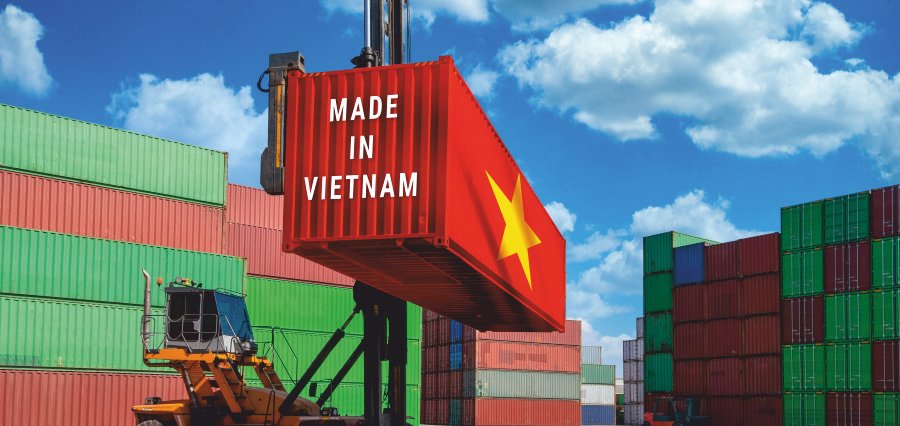
Vietnam stands to gain significant benefits from current international trade realignments, which particularly affect the electronics and semiconductor industries, according to Suan Teck Kin, who serves as Executive Director for Global Economics and Markets Research at United Overseas Bank (UOB). He shared the assessment at the “The Year Ahead 2026” forum in Ho Chi Minh City in the second week of April.
The Vietnamese government has established its presence as the eighth largest electronics exporter worldwide while maintaining over 170 foreign semiconductor operations, which focus primarily on chip design and assembly work, testing procedures and packaging processes. The country will advance to higher-value market sectors because of its existing industrial capabilities, which include advanced semiconductor assembly and testing operations, precision component manufacturing and industrial artificial intelligence systems and automated production and distribution processes.
UOB maintains a cautiously optimistic forecast for Vietnam in 2026. The economy will continue to grow because strong manufacturing, construction, service, export and foreign investment activities, which support supply chain diversification, will remain active. Rising energy costs have led the bank to trim its growth forecast, though it expects the State Bank of Vietnam to keep monetary policy steady.
Globally, the WTO projects trade growth of around 1.9% this year, below 2025 levels. Geopolitical tensions and high energy prices could shave up to 0.5 percentage points off that figure.
Suan pointed to a major shift in US import patterns since 2018. The percentage of US imports that have come from China in the last decade has decreased from a maximum of over twenty percent to around 7.8%, with the shares of ASEAN in US imports sitting at a higher percentage of 15.7% now. Vietnam accounts for 4.7% of China’s total trade, which shows its increasing participation in regional supply chains.
He has now called upon the government to tap optimally into the 16 free trade agreements and move into the M.E., Africa, Latin America and Europe.