
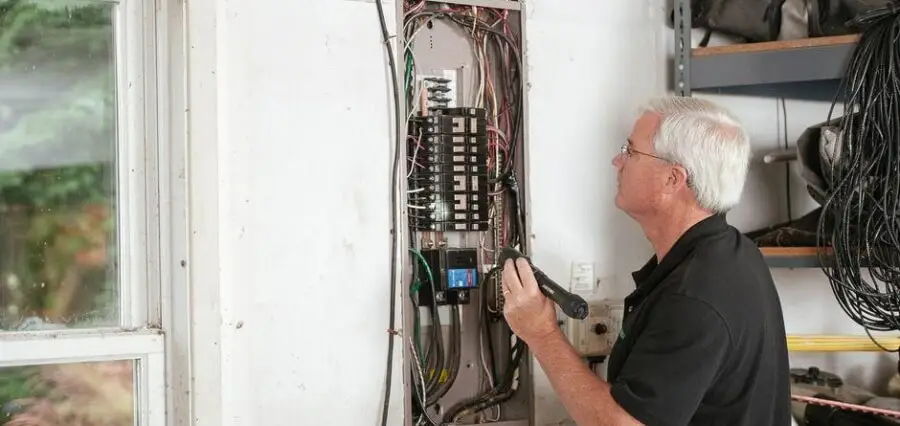



If you’re looking at a property through a real estate lens, wiring can’t stay in the background. Buyers notice kitchens and flooring first, but inspectors, insurers, and appraisers pay close attention to what powers the whole building. Older electrical systems often create hidden friction during a sale, renovation, or refinance. Once you understand where wiring affects safety, function, and value, you can make smarter calls before small issues turn into expensive deal breakers.
Old Wiring Quietly Changes How a Property Performs
You can have a well-staged home with solid curb appeal and still run into serious hesitation if the electrical system shows its age. Knob-and-tube wiring, aluminum branch circuits, ungrounded outlets, and overloaded panels often raise concerns long before closing day.
A buyer may not mention wiring during a showing, yet their inspector usually will. Lenders and insurance carriers may also flag outdated systems, especially in homes built before the 1980s. That can slow approvals, trigger repair requests, or reduce negotiating power.
In practical terms, old wiring affects daily use too. Tripping breakers, warm outlets, dimming lights, and not enough circuits for modern appliances make a property feel less functional. You’re not just dealing with a code issue. You’re dealing with how the building actually supports modern living.
Modern Electrical Demand Is Much Higher Than Many Homes Were Built For
Think about how people use a house now compared with 40 years ago. You’ve got large refrigerators, induction ranges, HVAC systems, gaming setups, office equipment, EV chargers, security systems, and constant device charging. Many older homes were never designed for that kind of load.
A 60-amp or 100-amp service may have worked decades ago. Today, many households need 200 amps to comfortably support their routines, especially after a remodel or home addition. Even if the system still works, capacity limits show up fast when owners start upgrading kitchens, bathrooms, or laundry areas.
This matters in real estate because buyers increasingly ask whether a home is move-in ready in technical terms, not just cosmetic ones. If the electrical infrastructure can’t support current expectations, a property starts to feel dated in a way fresh paint can’t hide.
Rewiring Can Reduce Inspection Friction and Insurance Pushback
Inspection reports shape deals more than many sellers expect. A roof issue is obvious. Wiring concerns feel more intimidating because buyers often don’t know the repair scope, timeline, or cost. That uncertainty creates leverage for credits and price reductions.
When a property already has documented electrical wiring upgrades, the conversation changes. Buyers and agents can see that circuits, outlets, grounding, and service components were addressed with professional oversight. That reduces ambiguity, which is often what kills momentum.
Insurance is another practical factor. Some carriers charge more, limit coverage, or decline homes with certain outdated systems. If you’re preparing a property for market, dealing with rewiring before listing can prevent late-stage surprises. In many cases, electrical work doesn’t create emotional excitement like a new backsplash, but it can remove the kind of risk that stalls a transaction.
The Highest-Impact Areas Usually Aren’t the Ones You First Expect
You might assume full-house rewiring is always the first move, but the most strategic upgrades often start in high-demand zones. Kitchens, laundry rooms, bathrooms, garages, and utility areas usually carry the heaviest electrical load and the strictest code requirements.
A dated kitchen with too few dedicated circuits can become a bottleneck during a remodel. Bathrooms need proper GFCI protection. Garages increasingly need enough capacity for tools, freezers, or EV charging. Finished basements and accessory dwelling units also tend to expose weak points in older systems.
From an investment standpoint, targeted upgrades can make sense when the rest of the property is stable. A licensed electrician can map existing circuits, identify undersized wiring, and evaluate panel capacity. That lets you prioritize work based on safety, resale pressure, and renovation goals instead of guessing where the real risk sits.
Electrical Work Matters More During Renovations Than Many Owners Realize
You can’t treat electrical planning as an afterthought once walls are open. Renovations tend to expose buried splices, code violations, overloaded circuits, and aging conductors that were easy to ignore before demolition started. At that point, patchwork fixes often stop being realistic.
If you’re flipping a property or modernizing a long-held asset, coordinate electrical decisions early with your contractor. Lighting layouts, appliance specs, HVAC plans, and smart-home features all affect circuit design. The sequence matters. Electrical rough-in delays can slow drywall, cabinetry, inspections, and final occupancy.
There’s also a budget reality here. Rewiring during a renovation is often more efficient than opening finished walls later. Labor access improves, troubleshooting gets easier, and you avoid paying twice for demolition and patching. For value-add projects, that timing can make the difference between a clean upgrade path and a messy cost overrun.
Smart Buyers and Investors Look Beyond Surface-Level Improvements
If you’re evaluating a property as an investment, visible updates only tell part of the story. New floors and fixtures may look great in listing photos, but they don’t tell you whether the electrical backbone can support tenant turnover, future improvements, or reduced maintenance risk.
A duplex with updated wiring may be more attractive than a prettier comparable property with a crowded panel and mixed-era circuits. The same goes for older single-family homes in competitive neighborhoods. Infrastructure quality affects capex planning, tenant satisfaction, and long-term reliability.
This is where due diligence gets sharper. Ask for permits, panel specifications, service size, and the age of any rewiring work. If the seller doesn’t have clear documentation, bring in a qualified electrician during the inspection period. You’re not only checking compliance. You’re measuring how much hidden work may still be waiting behind the walls.
The Best Upgrade Decisions Balance Safety, Marketability, and Timing
You don’t need to view every electrical issue as a reason to panic. You do need to understand which problems are cosmetic annoyances and which ones affect safety, financing, insurance, and resale. That distinction matters whether you’re selling, buying, renovating, or holding.
The strongest upgrade strategy usually starts with an honest assessment of the existing system, the property’s intended use, and local market expectations. In a competitive sale, updated wiring can reduce negotiation drag. In a renovation, it can support layout changes and modern appliances. In a rental, it can lower operational headaches.
Electrical infrastructure rarely becomes the headline feature in a listing, yet it often shapes how smoothly a deal closes and how confidently someone buys. When you treat wiring as part of the property’s value equation instead of a hidden utility detail, you make decisions that hold up far beyond the next showing.