



Supporting Agricultural Growth
Farming feeds the world. It is one of the oldest human activities, and for most of its history it has changed slowly, with new tools and techniques arriving gradually over generations. That pace of change is accelerating. The pressures facing modern agriculture, from climate variability and soil degradation to growing global demand, and shrinking arable land, require solutions that traditional farming methods alone cannot provide. A new generation of builders and problem-solvers is stepping into this space with technology; fresh thinking and a genuine understanding of what farming needs to become. AgriTech entrepreneurs are reshaping what modern farming looks like and their influence on how food is grown, managed and distributed is growing with every passing season.
Why Agriculture Needed New Thinking
Farming has always been demanding work. But the demands on agriculture today go beyond what individual farmers can solve through experience and hard work alone. Changing weather patterns are making traditional planting and harvesting timelines unreliable. Water scarcity is creating pressure on irrigation systems that were built for different conditions. Soil health is declining in many of the world’s most productive regions. And the global population keeps growing, adding pressure to a food system that is already stretched in significant ways.
These are not problems that incremental improvement to existing methods can fully address. They require genuinely new approaches, new tools, and new ways of thinking about how food is produced. This is the space that AgriTech entrepreneurs have moved into with considerable energy and creative determination.
Technology Transforming Modern Farming
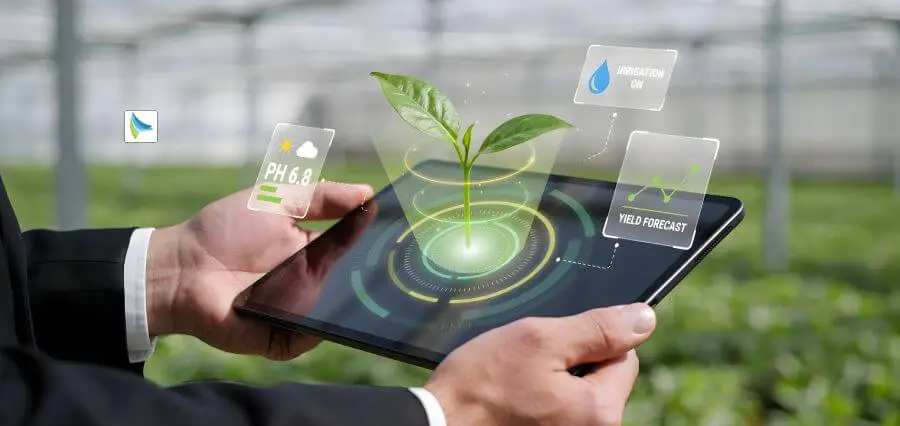
The most visible contribution of agricultural technology entrepreneurship is the range of practical tools now available to farmers that did not exist a generation ago. Sensors that monitor soil conditions in real time, aerial tools that survey crop health across large areas quickly, software platforms that help farmers manage their operations with a level of data and insight that was previously available only to the largest agricultural businesses. These are not solutions looking for problems. They are responses to challenges that farmers have been working around for decades.
AgriTech entrepreneurs tend to develop these tools from a deep engagement with what farmers actually need rather than from a purely technological starting point. The best agricultural technology solutions work because they address real problems in ways that are practical for the people using them, not because they are the most technically advanced option available.
Reaching Smallholder Farmers
One of the most significant opportunities in agricultural technology is the potential to improve outcomes for smallholder farmers, the millions of small-scale producers who grow a substantial portion of the world’s food but have historically had the least access to the tools, information, and financial resources that would help them farm more productively.
There are entrepreneurs who are designing technologies specifically to cater to this market. There are mobile apps that can forecast weather and market prices, as well as provide agronomic information to farmers operating from remote regions. Digital financial tools that give smallholder farmers access to credit and insurance products tailored to the specific risks of agricultural production. Community applications for connecting farmers with buyers, which will minimize the losses suffered due to inefficiencies in their supply chain management.
Sustainability as a Design Principle
Modern agriculture cannot continue on a path that depletes the natural resources it depends on. Soil, water, and biodiversity are not unlimited inputs, and farming systems that treat them as such are building on a foundation that will not hold. Sustainability in agriculture is not a values question alone. It is a practical necessity for the long-term viability of the global food system.
AgriTech entrepreneurs are addressing this directly by building sustainability into how they design their solutions from the start. Tools for precision agriculture that decrease the use of water, fertilizers, and pesticides required to produce the same crop yield. Monitoring systems for soil health that assist the farmer to manage his land in such a way that maintains its productivity over time. New production systems that reduce reliance on conventional agricultural lands. Such innovations benefit both the individual farmer and the entire sustainable food production system.
In Summary
The role of AgriTech entrepreneurs in modern farming is not peripheral. It is becoming central to how the agricultural sector responds to the most significant challenges it has faced. By developing practical technology, reaching underserved farmers, building sustainability into their work, and staying genuinely connected to what farming needs, these entrepreneurs are helping to build a food system that can meet the demands of the future. The work is complex, the stakes are high, and the people doing it well are making a contribution that reaches far beyond the fields where their technology is deployed.