
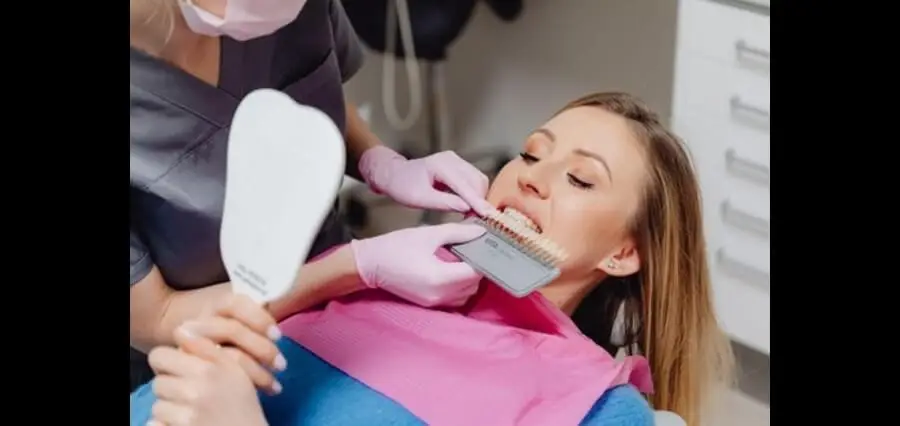



If you live in Henderson, you probably think cosmetic dentistry is mostly about brighter teeth and better photos. That’s part of it, but the real impact shows up in small daily moments, such as how confidently you speak, how often you smile without thinking, and how comfortable your bite feels during a normal meal. If you’re considering cosmetic dental treatment in Henderson, it helps to look past marketing language and understand what modern procedures can actually change, what they can’t fix on their own, and how to choose options that make sense for your life.
Cosmetic dentistry is no longer just about appearance
A decade ago, a lot of people treated cosmetic dentistry like a luxury add-on. In practice, many cosmetic procedures now sit at the overlap of esthetics, oral function, and preventive care. If your enamel is chipped, your spacing traps food, or your bite puts uneven pressure on certain teeth, appearance and performance are tied together.
That’s one reason patients often look for a Henderson cosmetic dentist when they want more than a surface-level change. Treatments such as veneers, bonding, clear aligners, and whitening work best when the clinician evaluates occlusion, gum symmetry, facial proportions, and long-term maintenance. You’re not only paying for a prettier smile. You’re investing in a treatment plan that should still make sense after the whitening fades, after the bonding ages, and after everyday wear starts to show up.
Your goals matter more than the procedure list
One of the biggest mistakes you can make is starting with a procedure instead of a goal. Saying you want veneers, for example, doesn’t explain whether you’re bothered by color, shape, crowding, small chips, or uneven edges. Each of those concerns may point to a different treatment pathway, and the least invasive option is often the smartest starting point.
A strong cosmetic consultation usually includes shade analysis, digital imaging, periodontal evaluation, and a close look at your smile line at rest and in motion. That last part matters more than most people realize. Teeth can look balanced in a still photo and completely different when you talk or laugh. If your real goal is to look less tired, less aged, or more polished in person, the treatment plan needs to address those specifics instead of chasing a generic “perfect smile” template.
The best cosmetic results look natural up close
You can spot rushed cosmetic dental work pretty quickly. Teeth look too opaque, too uniform, too square, or too bright for the person’s face and skin tone. Natural-looking work usually comes from restraint, not exaggeration. Real enamel has translucency, texture, and slight variation. Good cosmetic planning respects that.
This is especially important if you’re getting work on front teeth. The central incisors, laterals, and canines all reflect light differently, and a flat monochrome finish can make them look artificial. Gum contour also changes the final result more than people expect. Even a minor asymmetry at the gingival margin can affect how balanced your smile appears. If you want work that still looks believable in daylight, at close range, and on video calls, ask how the material choice, surface anatomy, and shade mapping will be customized for you.
Whitening is popular, but it has limits you should know
Teeth whitening gets talked about like a universal fix, but it only changes certain types of discoloration. Surface stains from coffee, tea, wine, and smoking usually respond well. Internal staining, restorations, and some medication-related discoloration often do not. If you already have crowns, veneers, or tooth-colored fillings in visible areas, they won’t lighten along with natural enamel.
That creates a common mismatch problem. You whiten your teeth, then older restorations suddenly stand out because the color no longer blends. A careful dentist will flag that before treatment starts. Sensitivity is another practical issue. Many patients can still whiten successfully, but the protocol may need lower-concentration gel, shorter wear times, or desensitizing agents such as potassium nitrate. The point isn’t avoiding whitening. It’s using it strategically so you don’t end up chasing a result that the chemistry can’t actually deliver.
Veneers can be excellent, but they are not casual decisions
Veneers often get treated like a quick glow-up, yet they involve material science, preparation design, and long-term maintenance. Porcelain veneers can deliver beautiful results for shape correction, worn edges, moderate spacing issues, and stubborn discoloration. They’re also less forgiving than social media makes them seem. Once tooth structure is altered, the decision carries lasting implications.
You should also know that veneers aren’t ideal for every bite. If you clench, grind, or have unstable occlusion, the treatment plan may need a night guard, orthodontic movement, or functional adjustment first. Prep style matters too. Minimal-prep or no-prep approaches sound appealing, but they only work in select cases. Add too much bulk to the wrong tooth position and the final result can look prominent or feel awkward. Good cosmetic dentistry isn’t about doing the flashiest option. It’s about using the right indication at the right time.
Orthodontics still plays a major role in cosmetic outcomes
A lot of adults ask for cosmetic fixes when the underlying problem is alignment. If your teeth are rotated, overlapping, or unevenly spaced, aligners or limited orthodontics may create a cleaner and more stable result than masking the issue with restorative work. Moving teeth into better positions can also preserve more natural structure.
This matters because every millimeter counts in smile design. If one tooth sits too far forward, the temptation is to reshape around the problem. Orthodontic correction often gives you a better foundation, especially when combined with whitening or small amounts of bonding afterward. You also need to think about retention. Teeth move throughout life, and even excellent cosmetic work can lose harmony if you skip retainers or follow-up care. The best smile makeover plans usually combine disciplines instead of pretending one procedure can do everything.
Maintenance decides whether the investment keeps paying off
The glamorous part of cosmetic dentistry is the reveal. The less glamorous part is the upkeep, and that’s where your long-term satisfaction gets decided. Bonding can stain or chip. Whitening needs periodic refreshes. Veneers and crowns still require healthy gums, clean margins, and consistent hygiene. If you grind your teeth and ignore it, even high-end work can fail earlier than expected.
Daily habits matter more than dramatic promises. Use a non-abrasive toothpaste if you have restorations. Don’t treat your front teeth like tools for opening packaging. Wear a night guard if your dentist recommends one. Keep recall visits on schedule so small issues get caught before they become expensive replacements. Cosmetic dentistry tends to perform best when you see it as part of oral health management, not as a one-time purchase that ends the moment the photos look good.