


Career success rarely comes down to talent alone. It comes down to fit, whether someone’s motivations, strengths and way of working actually match what a role demands. That gap between capability and alignment shows up everywhere, from investment banks recruiting top graduates to senior leaders navigating major transitions, and it’s rarely given the attention it deserves. Left unexamined, it can derail even the most capable people, not because they lack skill, but because they were never in the right seat to begin with.
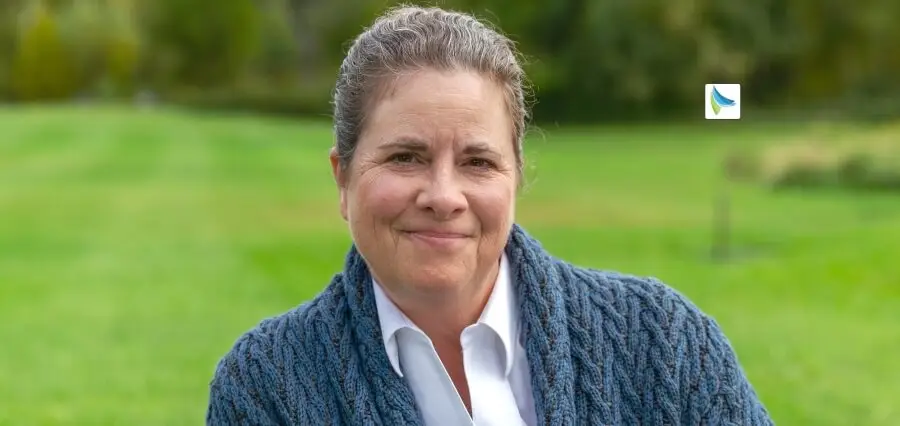
The professionals who understand this gap best are those who’ve watched it play out up close, across industries, roles, and career stages, and built practical frameworks to close it. Sara Karlen, Founder of Minding the Gap Coaching, LLC, is one of them. What started as an observation early in her recruiting career has since grown into a practice built on a single conviction: people do their best work, and live their fullest lives, when who they are and what they do actually line up.
From Talent Identification to Career Alignment
Sara’s journey toward coaching began in college campus recruiting, now known as early-career recruiting, where she supported the sales and trading floors of Investment Banks on Wall Street. Her role took her to campuses around the world to identify, evaluate, and help hire exceptional talent.
That experience taught her an important lesson that stayed with her throughout her career. There was rarely a shared definition of “the best” talent. People involved in hiring often held different views about the skills, behavioral attributes, and potential required for someone to succeed in a particular role. “Without clarity and alignment, hiring decisions could become more about identifying impressive people than identifying the right people for the work.”
She watched highly intelligent and capable individuals struggle and, in some cases, lose their jobs, not because they lacked talent, but because there was a fundamental misalignment between who they were and what the role required. Their motivations, strengths, and ways of working simply did not match the jobs they had been hired to do.
That realization planted the seed for what would eventually become Minding the Gap Coaching, LLC. She wanted to help people better understand themselves, including their motivations, strengths, potential, and aspirations, and understand how those dimensions align with the work and careers they choose. She came to believe that “The right alignment can create professional success while also bringing greater joy, meaning, and fulfillment in life.”
Building Relationships Through Core Principles
The principles guiding Sara’s relationships with clients, collaborators, and others within her professional network are service, appreciation, truth, candor, curiosity, commitment, belief, courage, and joy.
These principles shape how she approaches the people she works with and reflect her commitment to serving others, remaining curious, speaking with candor, and approaching professional relationships with courage, belief, and appreciation.
Learning Through Entrepreneurship
One of Sara’s biggest challenges in building Minding the Gap Coaching has been learning to trust her own instincts and inner voice. Early on, she listened too much to well-intentioned advice from others and later realized that their fears and self-limiting beliefs were sometimes being projected onto what she was trying to build.
At the same time, she had to confront her own fears and self-limiting beliefs, including those that caused her to play small, shrink back, or question whether she could create the practice she envisioned.
Minding the Gap was her second attempt at entrepreneurship. After being laid off during the 2009 financial and real estate crisis, she launched Dream Big HR, combining HR consulting and coaching. That experience helped her recognize what she wanted to do and where she needed to learn more.
Rather than viewing those learning gaps as a shortcoming, she acted on them and enrolled in Georgetown University’s Leadership Coaching program. That decision ultimately opened the pathway to the work she does today.
These experiences taught her that entrepreneurship requires both humility and conviction. Humility means recognizing what one does not yet know and seeking the necessary learning. “Conviction means trusting one’s own vision rather than allowing someone else’s fears, or one’s own, to define what is possible.”
Staying Current Through Curiosity
Sara stays current by paying close attention to her clients, the market, and conversations around her. She looks for patterns across her coaching work, including common challenges clients are navigating, recurring areas for growth, and shifts in what they need from her as a coach.
She also pays attention to what employers and organizations are valuing in their people and leaders and considers what those changes may mean for her clients.
These observations guide her learning. They inform the books she reads, the conferences she attends, and the continuing education she pursues. She listens and engages in conversations with people across industries and generations to understand what they are experiencing and what is changing.
For her, staying current is less about following every new trend and more about remaining curious, listening deeply, and continually evolving her perspective so she can bring greater relevance and value to clients.
Turning a Vision into a Sustained Practice
Several milestones stand out to Sara because each represents something different about the career and practice she set out to build.
Early in her career, probably seven or eight years in, she committed to starting her own coaching practice one day. She eventually identified what she needed to learn and do to make that possible, including further education at Georgetown University. She is doing the work she envisioned all those years ago.
Another meaningful milestone has been building a practice that spans four continents. She is an explorer by nature and has always been interested in understanding the world holistically. Working virtually with clients across four continents has allowed her to learn from different cultures, perspectives, and professional environments. While circumstances and challenges may differ, much of what sits underneath them is fundamentally human.
She is also proud to be someone senior leaders turn to when navigating significant business and professional challenges, while also being a trusted resource to early and mid-career professionals seeking clarity about their path.
Of all forms of recognition, repeated referrals from clients mean the most to her. When someone values their work together enough to introduce her to someone they know and care about, she sees it as an expression of trust and one of the most meaningful affirmations of the value of their work together.
The Qualities Behind Meaningful Growth
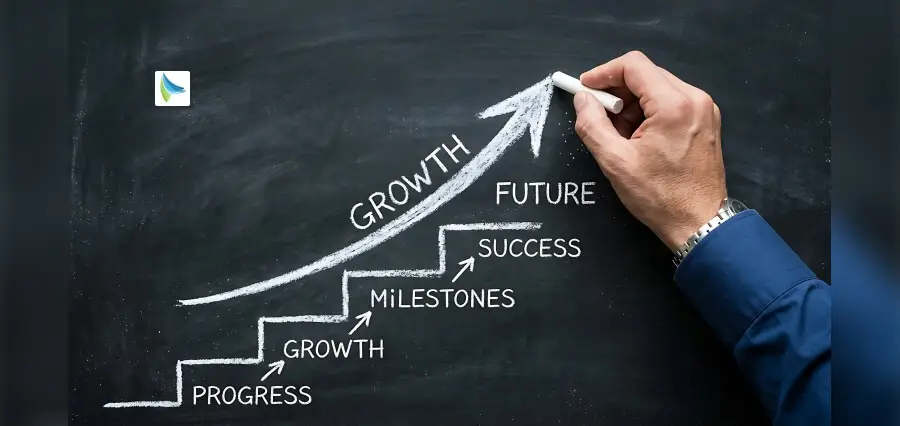
Sara believes “Meaningful growth requires three things: curiosity, a willingness to lean into discomfort, and an understanding that growth is a journey rather than an outcome.”
Curiosity allows people to question their assumptions, remain open to perspectives different from their own, and see possibilities they might otherwise miss. Discomfort is an inevitable part of growth. If people are genuinely stretching themselves, there will be moments when they feel uncertain, challenged, or vulnerable. Learning to stay with that discomfort rather than retreat from it is essential.
Most importantly, she believes growth requires letting go of the idea that there is a finish line. People are never really “done.” The value is in remaining open to learning, evolving, and discovering more about themselves along the way.
Five Principles for Aspiring Coaches
Sara offers five pieces of advice to aspiring coaches and entrepreneurs who want to build a purpose-driven practice while remaining authentic to their values.
First, know the why. Coaches should be clear about their intent in becoming a coach and building a practice. The work cannot be about seeking personal validation or affirmation. A strong sense of purpose becomes an important compass for choices along the way.
Second, keep the client at the center. The work, focus, and purpose must always be about the client and their learning, not about fixing them or turning their journey into the coach’s own. The role of a coach is to create conditions that allow clients to discover, challenge, and better understand themselves.
Third, be willing to create discomfort. Good coaching is not always comfortable. Sometimes truly serving a client means challenging them, holding up a mirror, and saying something they may not want to hear. Coaches have to be willing to risk momentary discomfort, or even the possibility that a client walks away, when the challenge is genuinely in service of growth.
Fourth, save personal learning for later. She learns from her clients, but that learning belongs in reflection after the session or engagement. In the coaching moment, her attention and intention belong entirely to the client.
Fifth, build for sustainability. Purpose and good intentions alone do not sustain a business. Coaches should think intentionally about developing more than one offering or revenue stream. Diversification can help smooth the natural cycles of a coaching business while creating different ways to serve clients.
A Coaching Practice Built Around Alignment
Sara’s journey from early-career recruiting to founding Minding the Gap Coaching remains connected to the realization she gained at the beginning of her professional life. Talent alone does not guarantee success when there is a fundamental misalignment between an individual and the role they are expected to perform.
Her work focuses on helping people better understand their motivations, strengths, potential, and aspirations and how those dimensions align with the careers they choose. Her entrepreneurial experience has reinforced the importance of trusting one’s instincts while remaining humble enough to recognize learning gaps.
Through her work, she supports people across different stages of their careers. Senior leaders turn to her during significant professional and business challenges, while early and mid-career professionals seek clarity about their paths.
At the heart of her approach is the understanding that meaningful growth has no finish line. It requires curiosity, the willingness to lean into discomfort, and openness to continued learning and evolution.
For her, coaching is not about fixing people or providing a predetermined destination. It is about creating conditions in which clients can discover, challenge, and better understand themselves. That purpose continues to shape Minding the Gap Coaching and the professional journey she set out to build today.