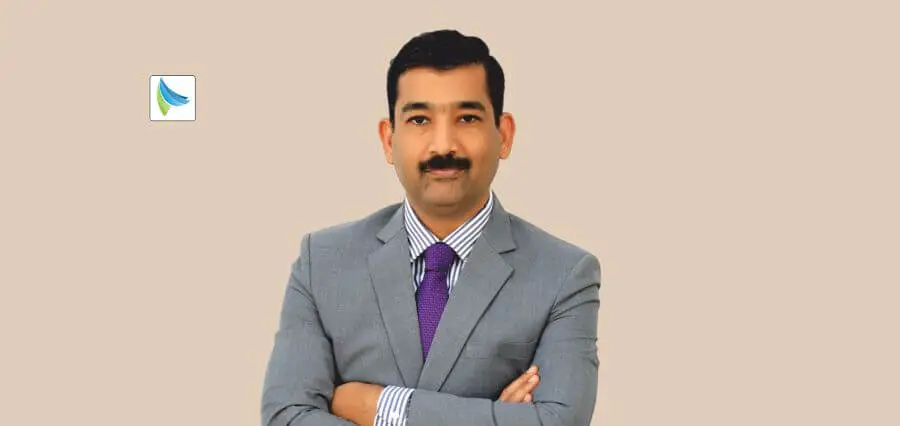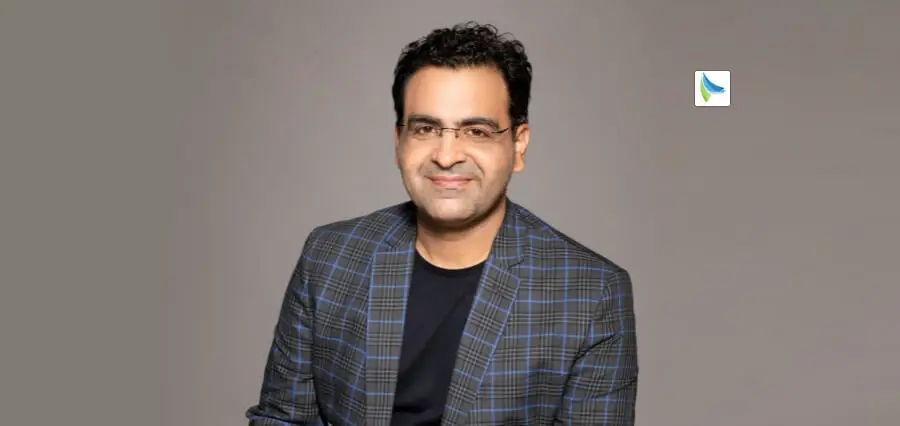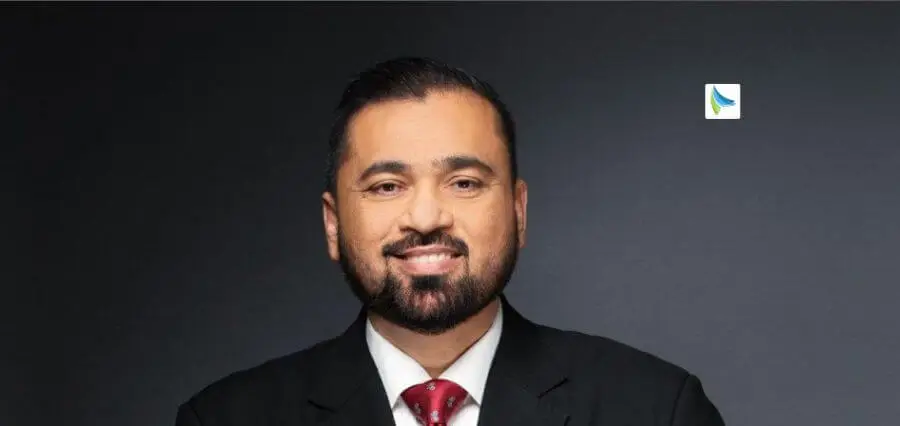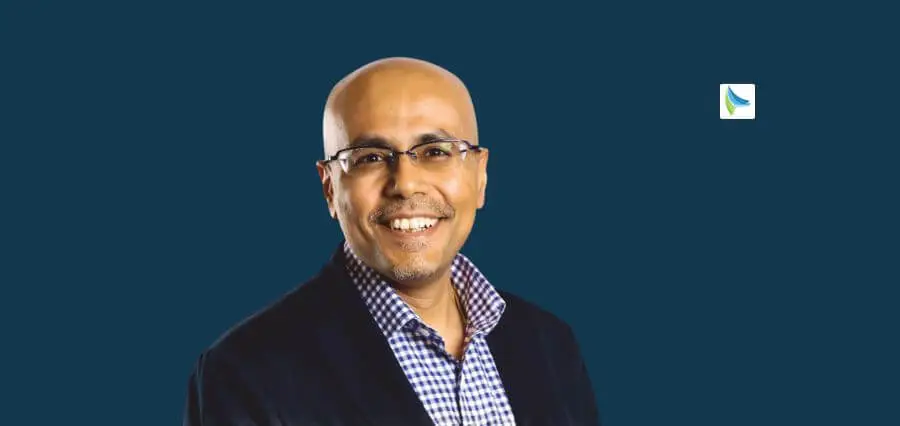




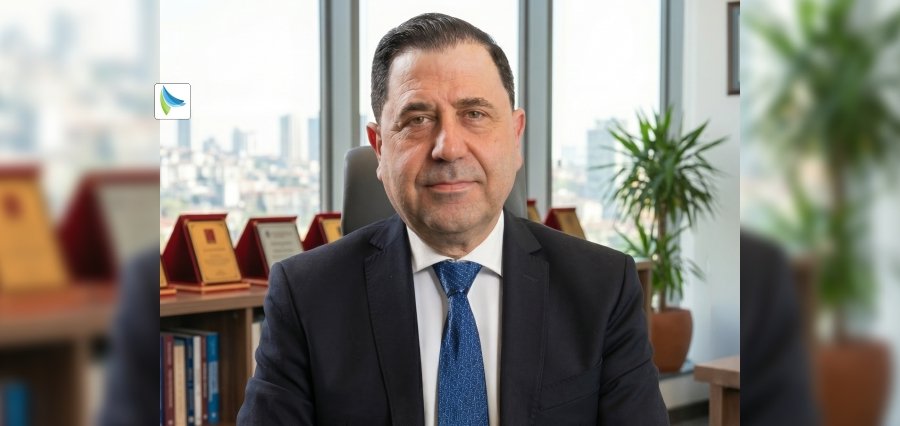
Ambition drives some careers. In others, it is comprehension; the kind built quietly over years of genuine engagement with the work, that sets a leader apart. Rabih Halabi belongs firmly in the latter category. Measured in manner and methodical in approach, he leads not through volume but through conviction: a deep-seated belief that banking, at its best, is far more than a mechanism for moving money.
As the Acting CEO & MD – Executive Board Member – Bank ABC Egypt, Rabih sits at the helm of one of the region’s most internationally connected financial institutions. Egypt is a market of considerable promise and considerable complexity. It’s a place where opportunity and uncertainty frequently arrive together. Navigating it well requires more than technical fluency. It demands the kind of judgment that only accumulates through years of real decisions, real consequences, and honest reflection on both.
What Rabih Halabi has built from those years is a leadership style that is quiet in manner but powerful in effect: methodical, human, and anchored in the conviction that a bank’s most enduring asset is not its balance sheet. It is the trust it earns, one decision at a time.
The Man Behind the Role
Rabih’s rise through the financial industry is not a story of overnight success. It is a story of accumulated depth- the kind that comes from genuinely engaging with every role, every challenge, and every lesson encountered along the way. He has spent his career learning how banks actually function, not merely how they appear from the outside. That distinction matters enormously to him, and it is evident in the way he leads.
His role in the board, in particular, has shaped the way Rabih Halabi thinks about leadership at every level. “Sitting at board level teaches you something that no management course can: it teaches you what accountability really feels like. Not accountability as a concept, but as a lived responsibility to shareholders, to regulators, and to the communities the bank serves every single day,” he shares.
That sense of responsibility runs through every decision he makes.Rabih Halabi does not seek the most convenient answer. He seeks the right one- one that holds up under scrutiny, can be communicated with clarity, and serves the bank’s long-term interests rather than its short-term ease. Rabih pushes his team to think the same way, welcoming challenge and inviting honest disagreement in the belief that the best decisions emerge from rigorous, open conversation rather than unchallenged authority.
Three Words That Define How He Leads
While describing how he leads, Rabih Halabi returns to three words without hesitation: discipline, adaptability, and accountability. They sound straightforward. In practice, they are anything but.
Discipline, for Rabih, is the foundation. It means staying committed to sound risk management and strong governance even when market conditions tempt shortcuts. He does not treat these as bureaucratic obligations. He treats them as structural pillars that make everything else possible. Without them, growth is fragile. With them, growth becomes sustainable.
Adaptability is the second pillar. Banking today bears little resemblance to banking a decade ago. The pace of change, across regulation, technology, and customer expectations, demands a leader capable of shifting direction without losing their footing. Rabih Halabi has cultivated that capacity deliberately, studying change, preparing for it, and ensuring his organisation is positioned to move when the moment calls for it.
Accountability is the third, and perhaps the most personal, pillar. Rabih Halabi believes that ownership of decisions cannot live only at the top. It has to run through every layer of the organisation. At Bank ABC Egypt, teams are trusted to make decisions within clearly defined frameworks. This is not loose management. It is intelligent delegation; the kind that creates speed without sacrificing control, and builds a culture where people feel responsible for outcomes, not just activities.
Operations as a Strategic Differentiator
In many institutions, operations is treated as a back-office function- necessary, but peripheral to the real work of banking.Rabih Halabi takes a different view, and it is one that has quietly become a source of competitive advantage at Bank ABC Egypt.
He sees operations not as a support structure, but as a client-facing discipline in its own right. The quality of execution, in his view, defines the customer experience as much as the quality of the product. A well-structured deal can lose significant value if it is not delivered with precision and consistency.
Under his leadership, operations at Bank ABC Egypt has been repositioned around three priorities: speed, accuracy, and client centricity. Operational data is used not merely to track performance but to generate insights that inform strategic decisions. The result is a function that contributes directly to client satisfaction and to the bank’s broader competitive position- a shift that reflects Rabih’s conviction that excellence in execution is itself a form of leadership.
Embedding Compliance, not Imposing it
Compliance carries a reputation problem in many organisations- viewed as a function that slows progress, adds layers, and turns straightforward decisions into drawn out processes. Rabih Halabi understands how that reputation forms. He also believes it need not be inevitable.
At Bank ABC Egypt, the approach is to build compliance into the fabric of processes rather than attach it to the outside. Operating in close alignment with the regulatory framework established by the Central Bank of Egypt, the bank uses automation and real-time monitoring to validate transactions at the point of execution, not hours or days later. The result is an environment where rigorous standards are maintained without creating unnecessary friction.
Rabih Halabi states, “doing the right thing should be the easiest thing. When that is true, compliance stops being a burden and starts being a guarantee.”
Investing in People: The Talent Imperative
As competition for skilled professionals intensifies, not only from other banks, but from technology firms and the fast-growing fintech sector, talent retention has become one of the defining challenges of modern banking leadership. Rabih Halabi approaches it with the same clarity he brings to everything else.
His starting point is a recognition that compensation, while important, is no longer the primary differentiator. Professionals today are looking for purpose, for growth, and for work that genuinely stretches them. At Bank ABC Egypt, that means offering exposure to complex, cross border transactions and the opportunity to operate within a truly international environment.
Significant investment in learning and development ensures that employees remain at the forefront of industry trends rather than falling behind them. Internal mobility, the opportunity to move across functions and geographies, adds a further dimension, building both capability and engagement over time.
For Rabih, investing in people is not a peripheral concern. It is central to the bank’s ability to deliver on every other priority- from transformation and innovation to client service and long-term growth.
Prepared for Disruption, Focused on What Follows
The institutions that weather disruption best are rarely those that react most quickly in the moment. They are those that prepared most thoroughly before the moment arrived. This is a principle Rabih Halabi has embedded into the culture of Bank ABC Egypt.
The bank runs regular scenario-based simulations- structured exercises that test its response to realistic disruptions, from economic shocks to operational failures. These exercises bring cross-functional teams together under simulated pressure and ask difficult questions about how the organisation would respond if things went wrong. What Rabih draws from them is not just a readiness checklist but a sharper understanding of how his people think, communicate, and coordinate when it matters most.
A Vision Built to Last
When Rabih Halabi describes what he is building at Bank ABC Egypt, one word recurs: integration. Not in a technical sense, but in its fullest meaning- bringing together global standards and local knowledge, digital capability and human wisdom, and financial performance and genuine contribution to the societies in which the bank operates.
His vision for Bank ABC Egypt is specific. Rabih wants the institution to stand as a bank that earns its place in this market not just by being internationally connected, but by being locally trusted. A bank that understands what Egyptian businesses, institutions, and communities actually need, and that has the capability and the credibility to deliver it.
That kind of institution is not built in a year. It is built through hundreds of consistent decisions made with the same discipline and clarity Rabih Halabi brings to every aspect of his leadership- decisions taken by teams that believe in what they are doing, led by people at every level who take genuine ownership of outcomes. Rabih Halabi is playing that long game with integrity, rigour, and quiet determination.
The Measure of a Leader
What ultimately distinguishesRabih Halabi is not any single achievement. It is not a headline, a number, or a title. It is the coherence of his leadership— the way every decision he makes, every priority he sets, and every value he upholds connects back to the same clear-eyed understanding of what banking is really for and what it takes to do it well.
In an industry that often chases the short term, Rabih Halabi is building for the long term. In an environment that rewards noise, he leads with substance. In a role that demands both vision and execution, he provides both steadily, consistently, and without fanfare. That combination is rarer than it sounds. And in a market as important and as demanding as Egypt, it is exactly what is needed.