


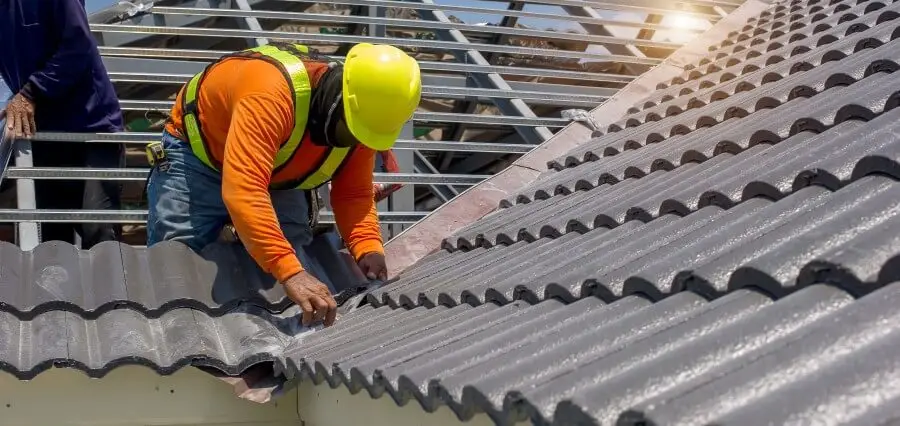
A full roof replacement is a major exterior project, but it does not have to make normal household routines unnecessarily difficult. Crews need room for materials, equipment, debris removal, and safe movement around the property, while residents may still need access to vehicles, entrances, pets, and everyday responsibilities. Preparing those needs before work begins can make the project easier for everyone involved.
Unlike a minor repair, replacement work affects a large portion of the home at the same time. Roofing activity can create noise, vibration, temporary access restrictions, and frequent movement around the exterior. Homeowners who understand these practical effects can organize their property before the crew arrives rather than making hurried adjustments during construction.
Preparation should focus on access, communication, belongings, vehicles, children, pets, and the areas immediately surrounding the house. Homeowners planning a project with All-Side Roofing & Restoration LLC can discuss the expected work sequence beforehand so household arrangements reflect actual project needs. A clear plan allows residents and contractors to work around one another with fewer avoidable interruptions.
Confirm the Project Schedule Before Rearranging the Household
Start by understanding when work is expected to begin and how the project will generally progress. Weather, material availability, property conditions, and unexpected findings can influence a construction schedule, so homeowners should avoid planning around an unrealistically precise completion time. A reasonable schedule still provides enough information to organize daily routines.
Ask which areas of the property crews will need throughout the project. Driveways, side yards, gates, exterior outlets, and entrances may become important work zones at different stages. Knowing this beforehand helps residents decide where vehicles and frequently used belongings should go.
Households should also identify any schedule conflicts before construction starts. Deliveries, appointments, visitors, remote meetings, or other activities may be easier to move than the replacement project itself. Early coordination prevents ordinary commitments from becoming unexpected obstacles.
Move Vehicles Away From Active Work and Delivery Areas
Driveways often become valuable working space during a full replacement. Contractors may need access for deliveries, equipment, debris handling, or crew vehicles, making normal parking arrangements impractical. Moving household vehicles before work starts can prevent them from becoming blocked during a busy stage.
Parking farther from the home can also reduce exposure to dust and falling debris. Homeowners should remove anything important from vehicles before relocating them so they do not need to repeatedly enter an active work area. Garage access should be discussed if a vehicle normally remains inside.
Think about transportation needs for the entire day rather than only the morning. A vehicle needed for school pickup or an appointment should remain somewhere accessible. Simple parking decisions can prevent significant inconvenience once work is underway.
Protect Belongings Inside the Home From Vibration
Exterior construction can create vibration that travels through parts of the structure. Lightweight decorations, loosely positioned objects, and fragile belongings on shelves may shift during active work. Preparing interior spaces reduces the chance that ordinary household items will fall or become damaged.
Walk through upper floors and rooms directly beneath the roof before construction begins. Secure fragile decorations, remove unstable objects from high shelves, and temporarily relocate valuable items that could be affected by vibration. Wall-mounted objects that already feel loose may also deserve attention.
This preparation does not require emptying every room. Focus on items that are delicate, unstable, valuable, or difficult to replace. A short interior walkthrough can address these concerns without creating unnecessary packing work.
Create a Practical Plan for Children and Pets
Construction activity can be unfamiliar and stressful for pets. Repeated noise, workers around the property, open gates, and changing outdoor access may disrupt normal routines. Animals that usually spend time in the yard may need a different arrangement while work is active.
Children also need clear boundaries around construction areas. Equipment, debris, materials, and active work zones should not become play areas, even during periods when crews appear less busy. Families should identify safe entrances and outdoor spaces before the project begins.
All-Side Roofing & Restoration can provide project-specific information homeowners may need when arranging household routines. Knowing where crews expect to work can help families decide whether pets should remain in a quieter room, stay elsewhere temporarily, or use a different outdoor area. Planning these details early is easier than reacting after activity begins.
Clear the Perimeter Without Emptying the Entire Yard
Workers need practical access around the home, but homeowners do not necessarily need to remove everything from the property. Focus first on objects close to exterior walls and locations where crews will regularly move. Patio furniture, grills, decorations, toys, planters, and portable equipment may need temporary relocation.
Items that cannot easily be moved should be discussed before construction. Large outdoor features may affect access even when they are not directly beside the house. Identifying them beforehand gives the crew an opportunity to plan around fixed obstacles.
Pay particular attention to narrow side yards and gates. These areas can become important routes for workers and materials. Clearing unnecessary objects reduces congestion and helps preserve predictable paths around the property.
Prepare Attic and Garage Spaces for the Work Above
The attic deserves attention before Roofing replacement begins because dust or small particles may be disturbed during construction. Stored belongings can be covered or relocated when appropriate, especially if they are sensitive to dust. Homeowners should also ensure that important attic items remain accessible without entering active work areas.
Garages may require similar preparation depending on their relationship to the roof and driveway. Fragile objects stored high on shelves should be checked, and anything needed during the project should be retrieved before access becomes inconvenient. Vehicles or equipment may also need temporary relocation.
These preparations are preventive rather than complicated. The goal is to protect belongings and reduce unnecessary trips into spaces affected by construction. Organizing them beforehand allows the household to continue functioning more smoothly.
Plan for Noise During Work and School Hours
Noise is one of the most noticeable effects of a full replacement. Homeowners working remotely may find calls, meetings, or concentrated tasks difficult during periods of active construction. Students studying at home can experience the same challenge.
Review important meetings or deadlines scheduled during the anticipated project period. A library, office, coworking location, or another quiet setting may be more practical for activities requiring uninterrupted concentration. Headphones can help with ordinary background noise but may not solve every disruption.
Residents do not necessarily need to leave the home for the entire project. Instead, identify which activities are sensitive to noise and plan alternatives specifically for those periods. This targeted approach minimizes disruption without overcomplicating daily life.
Keep One Household Entrance Predictable and Accessible
A replacement project can involve frequent movement around several sides of the house. Establishing one preferred household entrance can reduce interactions between residents and active work routes. The entrance should be discussed with the project team so everyone understands how it will be used.
Keep the path to that entrance free from deliveries, household clutter, and unnecessary outdoor items. Family members should use the agreed route rather than taking shortcuts through changing work zones. Visitors can also be told which entrance to use.
A predictable access plan becomes especially helpful for households with older residents, young children, or frequent deliveries. Consistency reduces confusion as construction progresses from one section to another. It also helps crews maintain clearer working areas.
Discuss Cleanup and Final Access Before Work Begins
Cleanup is part of the replacement process rather than a separate concern to consider afterward. Homeowners should understand how removed materials and ordinary project debris will be managed while work progresses. Knowing the general process makes it easier to keep household activities away from collection areas.
A final property check should include driveways, walkways, entrances, landscaping edges, and other spaces affected by construction. Homeowners working with All-Side Roofing & Restoration LLC can discuss any remaining concerns after the main work is completed. Clear communication gives both sides an opportunity to review the property systematically.
Once active work ends, household items can gradually return to their normal locations. There is little benefit in rushing furniture, vehicles, or decorations back before cleanup and final checks are complete. Restoring the property in stages keeps the transition organized.
Make Preparation Part of a Smoother Replacement Experience
A full replacement affects more than the exterior surface being updated. Parking, noise, pets, interior belongings, work schedules, entrances, and outdoor access can all be temporarily influenced by construction. Addressing these practical details beforehand makes the project easier to accommodate.
Good preparation does not require homeowners to reorganize their entire lives. It requires identifying where construction and household routines are most likely to overlap, then making sensible adjustments in advance. Clear access and realistic expectations can prevent many everyday frustrations.
Roofing replacement remains a substantial home improvement project, but disruption can be managed with thoughtful planning. Preparing the property, coordinating household schedules, protecting vulnerable belongings, and maintaining communication throughout the work creates a more orderly experience. Once those details are handled, homeowners can focus more confidently on the long-term improvement being made to their home.