




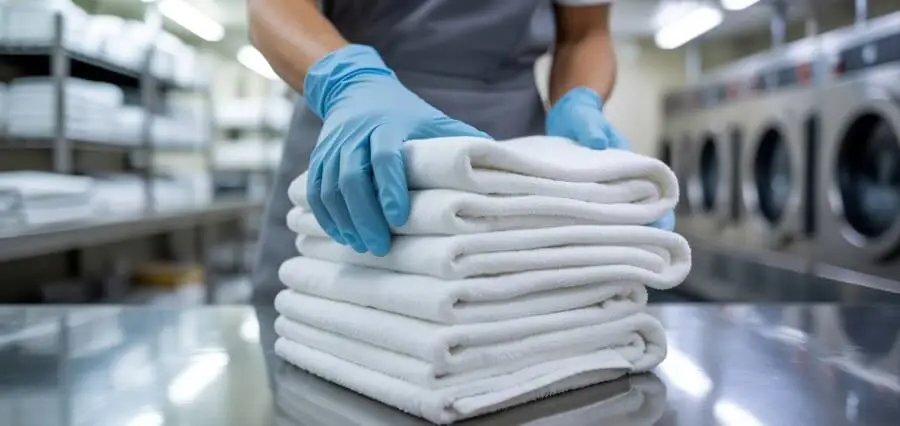
Household laundry extends far beyond shirts, trousers, and other everyday clothing. Sheets, pillowcases, bath towels, hand towels, kitchen linens, and similar items can create substantial weekly volume, especially in larger households. Using wash and fold delivery for suitable washable linens can help families create a more predictable system for keeping these essentials clean and available.
Linens also follow different usage patterns from personal clothing. A family may need fresh towels every day while changing sheets according to another schedule, and guest linens may remain unused for weeks before suddenly becoming necessary. Managing these categories separately makes it easier to understand what needs attention and when.
A practical linen routine should balance cleaning frequency, available storage, household size, and actual usage. Ians Cleaners can support families who want to incorporate appropriate household fabrics into a recurring care schedule. With thoughtful organization, linen management becomes less dependent on overflowing hampers and last-minute washing.
Separate Linens According to Their Household Purpose
Putting every washable household textile into one large pile can make it difficult to see which items are running low. Separating sheets, bath towels, kitchen linens, and other categories provides a clearer picture.
This approach also makes storage easier after items return. Instead of sorting everything from scratch, families already understand where each category belongs and how quickly it is normally used.
A simple system is usually enough. The objective is organization, not creating unnecessary work before the items are cleaned.
Build a Rotation Around Bedding Needs
Bedding can create considerable laundry volume because a single bed may include sheets, pillowcases, and other washable components. Multiple bedrooms increase that volume quickly.
Families can establish a regular schedule for changing suitable bed linens rather than waiting until several sets need attention simultaneously. Staggering different bedrooms may make the overall routine easier to manage.
Keeping at least one appropriate spare set for frequently used beds can also provide flexibility. Fresh bedding remains available while another set is being cleaned.
Keep Towels Moving Through a Predictable Cycle
Bath towels and hand towels often move through the household faster than bedding. Their frequent use means clean supplies can decline quickly if washing is delayed.
Create a Reasonable Reserve
Households do not need excessive numbers of towels, but a practical reserve can prevent shortages. The appropriate amount depends on family size, bathing routines, exercise habits, and guest frequency.
Ians Cleaners can fit into an established household routine when families understand their typical linen volume. Knowing how many towels are used between service cycles helps prevent both shortages and unnecessary accumulation.
Handle Damp Towels Before They Enter the Laundry Pile
Used towels may still contain substantial moisture when they leave the bathroom. Placing them immediately into a tightly packed hamper can create unpleasant conditions while they wait for cleaning.
Allow damp items to dry appropriately before combining them with dry laundry whenever practical. Families should also avoid leaving wet fabrics in closed bags for extended periods.
This habit requires little extra effort. It simply improves how linens are managed between use and their next cleaning cycle.
Check Care Labels Before Combining Different Linens
Not every household textile has identical washing and drying requirements. Decorative towels, specialty bedding, mattress covers, and fabrics with unusual construction may require different handling from ordinary cotton linens.
Care labels provide useful information about appropriate cleaning methods. Families should review unfamiliar pieces before assuming they belong with a routine order.
Items requiring specialized care can then be separated. This keeps convenience from replacing garment and textile-specific instructions.
Plan Around the Household’s Busiest Days
Laundry routines are easier to maintain when they reflect the household calendar. Weekends filled with sports, family activities, or travel may not be ideal times to discover that nearly every towel and sheet needs attention.
Wash and fold delivery services in Austin can become more useful when scheduled before essential linen supplies become critically low. Families can consider which days generate the most household laundry and plan accordingly.
A regular rhythm also reduces the temptation to delay linens because clothing feels more urgent. Both categories can have their own place in the household routine.
Keep Guest Linens Separate From Everyday Supplies
Guest bedding and towels often remain stored for long periods before being needed with little notice. Mixing them continuously with everyday supplies can make it difficult to know whether a complete clean set is available.
A dedicated shelf, drawer, or labeled storage area keeps guest items identifiable. Families can check these supplies before visitors arrive rather than searching through several closets.
After guests leave, used linens should reenter the normal cleaning process before returning to storage. This ensures they are genuinely ready for the next visit.
Organize Linen Closets by Complete Sets
A crowded linen closet can make freshly cleaned items surprisingly difficult to use. Sheets may become separated from matching pillowcases, while towels can disappear behind rarely used household textiles.
Grouping bedding into complete sets simplifies future bed changes. Towels can likewise be arranged by size or intended bathroom so household members can find what they need quickly.
Ians Cleaners can help with the cleaning stage, but effective storage completes the routine at home. An organized return process keeps clean linens from becoming another pile that must be sorted later.
Avoid Overloading Storage Areas
Keeping more linens than a household can reasonably store creates its own management problem. Shelves packed tightly with sheets and towels make rotation difficult and can hide items that have not been used for years.
Periodically review the linen closet and identify worn, unnecessary, or rarely used pieces. Removing excess items gives frequently used supplies enough room to remain organized.
This review can also reveal genuine shortages. Families can distinguish between needing more linens and simply having too many unsuitable ones occupying useful space.
Track Which Linens Are Wearing Unevenly
Repeated use naturally affects household textiles. Some towels may enter circulation far more frequently than others, while one sheet set may be chosen whenever it is available.
Rotating comparable items can distribute use more evenly. Moving freshly returned supplies behind existing clean sets is one simple way to encourage rotation.
Occasional inspection also helps identify fraying, thinning, damaged edges, or other signs that an item is approaching the end of its practical household use.
Prepare Linens Properly Before Service
A little preparation can make wash and fold delivery easier to incorporate into household management. Families should confirm that submitted items are suitable for the service and separate anything with unusual care requirements.
Small personal belongings can occasionally become tangled in bedding, so shaking out sheets and checking bundled linens is worthwhile. Clearly separating household fabrics from specialty items also reduces confusion.
Preparation should remain straightforward. The purpose is to create an efficient handoff while keeping fabrics with different requirements appropriately identified.
Make Linen Care Part of Household Planning
Bedding and towels are easy to overlook until clean supplies begin running out. A better system treats these essentials as recurring household inventory with predictable patterns of use, cleaning, storage, and replacement.
Families can improve that system by maintaining practical reserves, separating categories, managing damp items, rotating supplies, and organizing linen closets. Guest needs and changing household schedules can then be handled without disrupting the entire routine.
Consistent linen management reduces the need for emergency loads and overflowing storage spaces. By understanding how quickly different household fabrics move through use, cleaning, and storage, families can keep everyday essentials available while making one of the home’s most repetitive responsibilities easier to manage.