

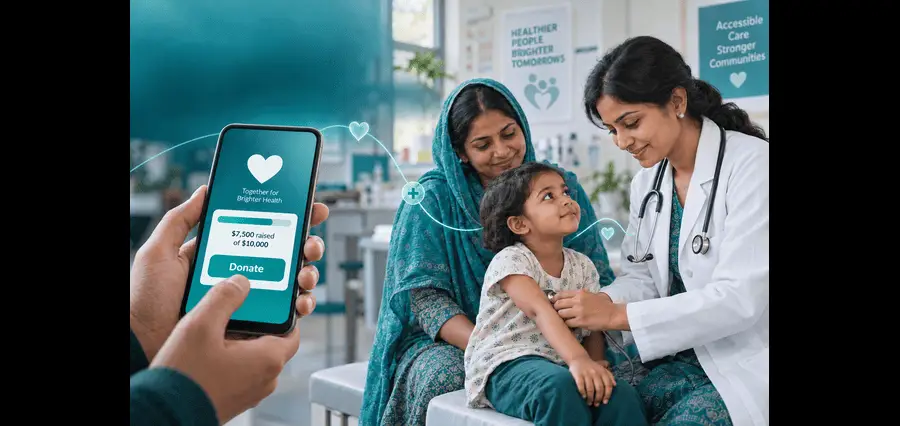


Access to quality healthcare remains a major challenge for underserved communities facing poverty, financial hardship, and limited medical facilities. Through digital fundraising platforms, individuals can donate online to support lifesaving surgeries, medical treatments, diagnostic services, and preventive healthcare programs. Healthcare crowdfunding connects financially disadvantaged patients with donors worldwide, helping bridge gaps in medical funding. By making charitable giving more accessible and transparent, technology is creating new opportunities to reduce healthcare inequalities and improve public health.
Why is Access to Healthcare a Global Challenge?
According to the 2025 Global Monitoring Report published by the World Health Organization (WHO) and the World Bank, approximately 4.6 billion people were not fully covered by essential health services in 2023. Additionally, 2.1 billion people experienced financial hardship due to out-of-pocket healthcare spending in 2022.
Several factors contribute to limited healthcare access in underserved communities:
- High costs of medical and surgical procedures
- Shortages of qualified healthcare professionals
- Limited health insurance coverage
- Inadequate medical infrastructure in rural areas
- Lack of affordable diagnostic services
- Insufficient awareness of preventive healthcare
These challenges often force patients to delay treatment, increasing their risk of complications and placing additional pressure on household finances.
How Do Online Donations Improve Access to Healthcare?
Online donations improve healthcare access by connecting patients who cannot afford treatment with individuals and organizations willing to provide financial assistance. Digital crowdfunding platforms enable charities to raise funds for surgeries, medications, diagnostic tests, and community health programs, helping reduce financial barriers that prevent vulnerable populations from receiving appropriate medical care.
How Digital Fundraising Is Changing the Healthcare Sector
1. Making Essential Surgeries More Accessible
Patients requiring complex surgical procedures often face expenses that exceed their household income. Without external assistance, conditions such as congenital heart defects, hearing loss, and orthopedic disorders may remain untreated.
Crowdfunding allows multiple contributors to collectively finance medical procedures. This approach gives patients an opportunity to receive recommended treatment without placing the entire financial burden on their families.
2. Bringing Healthcare to Remote Communities
People living in rural and geographically isolated areas may have to travel considerable distances to reach medical facilities. Transportation expenses and limited local services can discourage them from seeking professional care.
Through charitable funding, Transparent Hands organizes free medical camps in underserved areas, providing consultations, diagnostic tests, medicines, and other essential healthcare services. Community-based initiatives can also identify patients who require further medical evaluation or specialized treatment.
3. Strengthening Maternal and Child Healthcare
Pregnant women, newborns, and young children are particularly vulnerable when essential health services are unavailable or unaffordable. Digital fundraising can support programs that provide prenatal examinations, maternal health assessments, pediatric consultations, nutritional guidance, and other necessary interventions. Improving access to these services can help reduce preventable complications and promote healthier outcomes for mothers and children.
4. Supporting Preventive Healthcare and Early Diagnosis
Healthcare assistance should not be limited to treating advanced illnesses. Preventive services play an important role in identifying health concerns and managing risk factors before complications develop.
Online contributions can support:
- Blood pressure and blood glucose screenings
- Laboratory investigations
- Medical examinations
- Disease awareness sessions
- Health education programs
- Referrals for specialized care
Early diagnosis may improve treatment outcomes and reduce the need for more expensive medical interventions.
5. Reducing the Financial Impact of Illness
A medical emergency can affect a family’s economic stability for years. Hospital expenses, lost wages, and ongoing treatment costs may lead to debt or force households to compromise on basic necessities. Financial assistance through charitable initiatives can help cover essential medical expenses, allowing families to preserve resources for food, housing, and education. Successful treatment may also enable patients to return to employment or resume their daily responsibilities.
How Technology Shapres Modern Healthcare Charity
Digital innovation has changed how nonprofit organizations collect funds, communicate with contributors, and share information about healthcare projects.
Technology-driven platforms can provide donors with:
- Detailed patient profiles and medical requirements
- Individual campaign funding targets
- Fundraising progress
- Secure electronic payment options
- Treatment and recovery updates
- Information about ongoing healthcare initiatives
These features promote transparency and accountability while allowing contributors to make informed decisions about the causes they support. Digital communication also helps charities reach international audiences, expanding fundraising opportunities beyond their immediate communities.
Can Online Donations Create Long-Term Healthcare Improvements?
Yes, online donations can contribute to long-term healthcare improvements by supporting preventive services, community health programs, maternal care, and access to specialized treatment. Consistent charitable funding can help organizations maintain essential services and reach vulnerable populations. However, sustainable improvements also require investment in healthcare infrastructure, trained professionals, and effective public health policies.
Charitable organizations complement existing healthcare systems by addressing unmet needs and assisting individuals who might otherwise struggle to receive appropriate care.
How Transparent Hands Is Bridging Healthcare Gaps
Since 2014, the nonprofit organization has been facilitating free medical and surgical treatment for financially disadvantaged patients through its online crowdfunding platform, network of partner hospitals, corporate sponsors, and kind-hearted donors. The organization has healed over 400,000 lives over the years. Its healthcare initiatives include pediatric and adult heart surgeries, cochlear implant surgeries, bone marrow transplants, cancer treatment, free medical camps, disaster relief, and maternal and child healthcare programs.
By integrating technology into its fundraising operations, the organization enables contributors to explore individual medical cases, understand patients’ financial requirements, and follow available treatment updates. This approach strengthens the connection between charitable contributions and their practical impact on people’s lives.
Supporting Healthcare with Secure and Transparent Online Giving
Before contributing to a medical fundraising campaign, verify the charity’s registration, beneficiary selection process, payment security, and financial reporting practices. Reviewing patient information and available campaign updates can also help you understand how your contribution will be utilized.
When you donate online through a reputable healthcare charity, you can help patients overcome financial barriers, support underserved communities, and contribute toward more equitable healthcare access. Whether your contribution supports an individual surgery or a community health initiative, it can bring essential medical services within reach of those who need them most.