

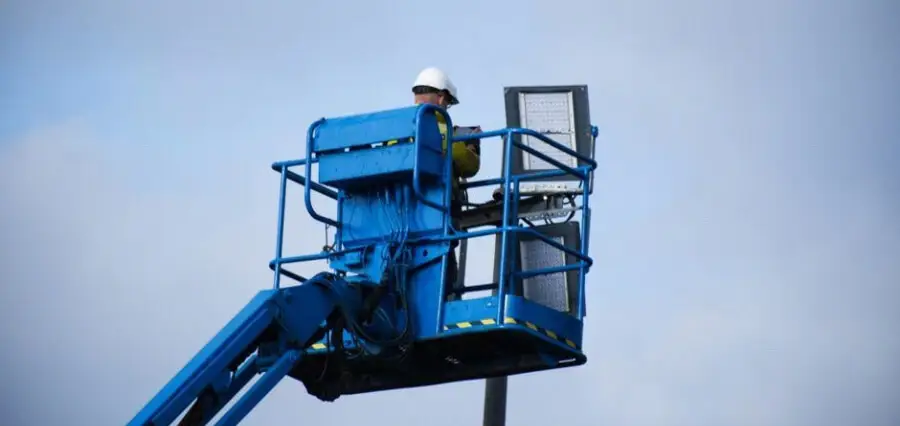


If you work around aerial lifts, you already know downtime can wreck a schedule fast. One rough startup, one ignored leak, or one delayed replacement part can sideline a machine that was supposed to carry the day. Keeping lifts in service takes more than basic maintenance. You need a sharper system for inspections, parts planning, and operator habits. Once you understand how failures actually build, your maintenance decisions get a lot more precise.
The Parts Strategy Matters as Much as the Repair Itself
A repair is only as good as the part selection behind it. That sounds obvious, yet many fleets still lose time because replacements are ordered too late, matched loosely, or chosen with little regard for machine configuration.
Serial numbers, model variations, and production-year differences matter more than many people expect. A control box, sensor, charger, or hydraulic component that looks correct at a glance can still create fitment problems or performance issues.
When you source Genie Lift parts, the smarter move is to think beyond the immediate swap. Check compatibility, lead time, wear patterns, and whether a related component is likely near the same failure point. That approach cuts repeat downtime and helps you avoid the frustrating cycle of replacing one part only to discover the connected issue a day later.
Downtime Usually Starts Long Before the Machine Stops
Aerial lifts rarely fail out of nowhere. In most cases, the warning signs show up early through slower platform response, unusual hydraulic noise, inconsistent steering, or fault codes that operators brush off because the lift still moves.
That mindset gets expensive. A scissor lift with a worn joystick, weak battery output, or contaminated hydraulic fluid may keep running for days or weeks while performance slips. During that time, adjacent components absorb extra strain.
You get the best results when you treat small irregularities like lead indicators rather than annoyances. Good operators report them, and good supervisors act before the issue spreads. Preventive action costs less than reactive repair almost every time, especially when labor delays, missed rentals, and stalled crews start stacking up on a jobsite.
Battery Systems Deserve More Attention Than They Usually Get
For electric lifts, battery neglect is one of the fastest ways to shrink runtime and invite service calls. A lot of operators notice battery trouble only when the machine struggles halfway through a shift, but by then the underlying damage may already be done.
Underwatering, overwatering, poor charging habits, corroded terminals, and long idle periods all shorten battery life. Opportunity charging without a plan can also affect long-term performance, especially when your fleet rotates inconsistently.
You should look at battery care as a reliability program, not a once-in-a-while task. Track charge cycles, inspect cable connections, and make sure the charger matches the equipment requirements. If one lift starts needing more frequent charging than similar units in the fleet, that’s useful diagnostic information. It can point to battery degradation, charger faults, or hidden electrical draw before the machine ends up unavailable.
Hydraulic Leaks Are Never Just a Messy Nuisance
A small hydraulic leak often gets underestimated because the machine may still raise, lower, and drive. On a busy site, a few drops under the chassis can seem easy to postpone. That decision can turn into a much larger repair bill.
Hydraulic systems depend on pressure stability, clean fluid, and healthy seals. Once a hose starts weeping or a fitting loosens, contamination risk increases. Air can enter the system, pressure can fluctuate, and nearby components may begin wearing faster than normal.
You also have a safety and compliance issue. Fluid on the floor creates slip hazards, and recurring leaks can point to operating pressure problems rather than just a bad hose. Smart maintenance teams inspect the source, not only the visible symptom. They check cylinders, lines, fittings, reservoirs, and fluid condition together so the repair actually addresses the root mechanical issue.
Operator Behavior Has a Direct Effect on Repair Frequency
Maintenance teams don’t control every variable. Operators influence equipment lifespan more than many organizations admit. Harsh directional changes, curb impacts, overloading, ignoring alarms, and charging mistakes all add measurable wear.
That doesn’t mean every operator needs technician-level expertise. It means they need practical training tied to real equipment behavior. A pre-shift inspection should not feel like a checklist done for paperwork. It should help the operator catch tire damage, loose wiring, cracked controls, missing decals, or unusual sounds before the machine enters service.
The strongest fleets build feedback loops between operators and technicians. If an operator reports that elevation feels jerky or steering response changed during the afternoon, that comment has maintenance value. Small observations often reveal issues before they become obvious in diagnostics. Better reporting usually means fewer emergency breakdowns.
Inventory Planning Separates Efficient Fleets From Constantly Delayed Ones
One of the easiest ways to lose productive hours is waiting on routine parts that fail predictably. Every fleet has repeat needs: filters, contactors, joysticks, sensors, switches, tires, hoses, chargers, and wear items tied to heavy usage patterns.
If you already know which components fail most often on certain models, there is little advantage in treating every order like a surprise. A basic parts inventory built around fleet history can dramatically reduce turnaround time.
The key is discipline. Stocking random items without usage data ties up money and clutters the shop. Instead, track service intervals, recurring failures, and seasonal demand. Rental-heavy operations may need a different stocking strategy than a contractor with a smaller owned fleet. The goal is not to hoard parts. It’s to keep the right components available so common repairs happen immediately instead of becoming scheduling problems.
Data Beats Guesswork When You’re Trying to Extend Equipment Life
A lot of maintenance decisions still get made on memory and instinct. Experience matters, but it gets stronger when paired with hard data. If you want to stretch service life without raising risk, start documenting machine behavior in a more structured way.
Look at downtime frequency, repair categories, battery replacements, hydraulic failures, error codes, and total labor per unit. Patterns emerge quickly. You may find one model repeatedly burns through a certain switch, or one machine has become a chronic drain because several systems are aging at once.
That information helps you decide whether to repair, rebuild, rotate usage, or retire a unit. It also improves purchasing decisions later. A fleet that tracks failure trends can order smarter, train better, and budget more accurately. Over time, your maintenance operation stops reacting emotionally and starts operating like a real asset-management function.