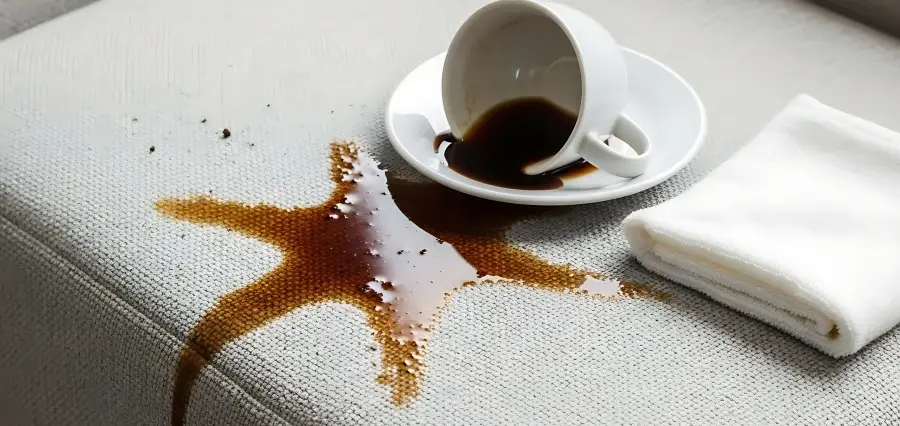


For most of the twentieth century, choosing a surface meant choosing a compromise. Stone looked beautiful until you dropped a cast-iron pan on it. Wood warmed a room and then stained the moment someone left a wet mug on it overnight. Laminate was cheap and cheerful, and impossible to repair once an edge started lifting.
That trade-off is breaking down. Here are five shifts reshaping the surfaces you’ll find in kitchens and commercial fit-outs.
1.Colour now runs all the way through
Older decorative surfaces relied on a printed or veneered top layer. Wear through it and the damage was permanent. Solid surface changed the rules by blending acrylic resin, natural minerals and pigment into one uniform sheet, so the colour you see on top is the colour 12mm down. A scratch becomes a job for fine abrasive paper rather than a reason to rip out the worktop.
For a busy family kitchen or a café counter, that shifts the maths on lifespan considerably.
2.Joins are disappearing
Bond two sheets with colour-matched adhesive, sand them back, and the seam effectively vanishes.
You can run a reception desk four metres long without a visible break, or cove an upstand into the worktop so there’s no grout line or silicone bead for grime to settle in. Healthcare and hospitality projects favour it for exactly that reason, since a non-porous surface with no crevices is far easier to keep hygienic.
3.Shape is no longer dictated by the material
Heat acrylic solid surface and it bends. Designers now thermoform curved bar fronts, rippled wall cladding and integrated basins that would once have needed a stonemason and a very patient client.
For the fabricators doing that work, accuracy at the cutting stage matters as much as the sheet itself. Suppliers such as Lawcris pair stocked Hanex solid surface with in-house CNC cutting and machining, so components reach the workshop ready to bond and finish.
4.Health and safety are reshaping the shortlist
Engineered quartz has led UK worktop choices for several years. Its future looks less settled than that popularity suggests. Cutting and polishing high-silica engineered stone releases fine dust linked to silicosis, and Australia became the first country to ban the material, with the prohibition taking effect from July 2024.
You don’t have to be specifying in Sydney for that to matter. If you’re choosing a surface for a long-term project, ask about crystalline silica content and how your fabricator controls dust on site.
5.Looks still win, and performance has caught up
The 2025 UK Houzz Kitchen Trends Study found that 65% of renovating homeowners choose worktops on look and feel, while only 24% put cost at the top of their list. Quartz led the field at 42%, with solid surface on 12%. Designers have responded.
Concrete-effect, marble-veined and finely speckled finishes are now available in materials that are non-porous, heat-tolerant within sensible limits and repairable when life happens. A stark white island can sit beside a terrazzo-style splashback cut from the same family of material, bonded with no visible join.
So you can pick the finish you actually want and still end up with something that survives a decade of school-run breakfasts and late-night red wine.