


Dining chairs often show signs of wear and dirt long before the rest of the dining room needs serious attention. A chair that looked fresh a few months ago may now have darkened armrests, crumbs along the seat seams, or a faint stain where someone spilled a drink. The fabric can also start looking uneven, with cleaner areas around the edges and noticeable discolouration where people sit most often. These changes are particularly frustrating because dining chairs are used every day, yet they are not always included in regular household cleaning routines.
Unlike wooden or plastic chairs, upholstered seating absorbs some of the substances it comes into contact with. Food particles settle between cushions, skin oils transfer onto fabric, and accidental spills may reach the padding beneath the surface. Routine house cleaning services can help maintain the surrounding dining area, but fabric upholstery needs methods suited to its particular material and construction.
The difference between ordinary surface dirt and deeper fabric staining is worth understanding before attempting to clean a chair. Alto Cleaning Services handles residential cleaning tasks involving dining spaces, flooring, and other frequently used household areas. However, dedicated upholstery washing or stain extraction should be confirmed separately because cleaning fabric furniture can require equipment and products that differ from those used for general household surfaces.
Why Dining Chair Fabric Collects Dirt Faster Than Expected
Dining chairs receive repeated contact throughout the day. People sit down for meals, lean against the backrest, move their hands along the edges, and occasionally use the chairs for working or other activities. Each interaction introduces small amounts of dust, skin oils, food crumbs, and moisture.
The seat cushion usually experiences the greatest pressure. When someone sits down, the fabric compresses against the padding beneath it. Loose particles can move deeper into the upholstery, particularly around seams and stitched sections. As the cushion returns to its original shape, not all of that material comes back to the surface.
Armrests and backrests develop a different type of buildup. Skin oils and perspiration may gradually darken areas that receive frequent contact. The change can be so gradual that it becomes noticeable only when the chair is compared with one that is used less often.
Food contributes another layer of dirt. Breadcrumbs, rice, sauces, and small pieces of snacks can collect around cushion edges or become trapped where the seat meets the backrest. If these particles remain in place, they may attract pests or produce unpleasant odors, especially when mixed with moisture.
Even chairs that are not used for every meal can collect airborne dust. Fabric fibers provide places for fine particles to settle, while textured materials may hold onto dirt more firmly than smooth surfaces. The result is upholstery that looks tired despite the surrounding table and floor being cleaned regularly.
Identify the Fabric Before Attempting Stain Removal
One of the most common mistakes in upholstery cleaning is treating every fabric as though it can be washed with water. Dining chairs may be covered in polyester, cotton blends, linen, velvet, microfiber, or other materials, each with different cleaning requirements.
The furniture manufacturer’s care instructions should guide the method. Many upholstered pieces have a label beneath the seat or attached to the underside of the chair. This label may contain a cleaning code indicating which products are appropriate for the covering.
Understanding Upholstery Cleaning Codes
The letter W generally indicates that an approved water-based upholstery cleaner may be used. It does not mean the chair can be soaked or cleaned with any household detergent.
An S code usually indicates that the fabric requires a suitable water-free solvent cleaning method. These products need careful handling and appropriate ventilation, and professional assistance may be preferable.
W/S or S/W means that certain water-based or solvent-based methods may be permitted, depending on the manufacturer’s full instructions. An X code generally limits care to vacuuming or light brushing without liquid cleaning products.
These codes describe permitted categories of cleaning methods rather than guaranteeing that every stain can be removed. The construction of the chair, the padding underneath, and any protective finishes also influence what treatment is suitable.
If the label is missing, avoid guessing based on the fabric’s appearance. Two chairs with similar-looking upholstery may have completely different care requirements. Contacting the furniture manufacturer or a qualified upholstery cleaner is safer than experimenting with unfamiliar products.
The distinction matters because water can leave rings on certain fabrics, solvents may affect dyes or finishes, and excessive moisture can reach internal padding. A successful cleaning method removes unwanted residue without creating another stain or altering the upholstery’s appearance.
Remove Loose Debris Before It Becomes Embedded
Vacuuming is one of the simplest ways to maintain upholstered dining chairs, yet it is often overlooked because the chairs appear relatively small. Their seams, corners, and cushion edges can hold surprising amounts of debris.
Use an upholstery attachment recommended for the fabric and vacuum cleaner. Begin with the seat surface, working gently across the material without pressing the attachment deeply into the padding. Then move along the seams and the point where the seat meets the backrest.
A crevice attachment may help reach narrow spaces, provided it does not catch or damage the fabric. Avoid aggressive suction on delicate upholstery, loose stitching, or decorative trim.
Crumbs are easier to remove before someone sits on them repeatedly. Once particles become embedded in the fabric, they may require more attention and could contribute to abrasion over time.
Dining-room maintenance also involves cleaning beneath and around the chairs. Food debris that falls onto the upholstery often reaches the floor as well, particularly when chairs are moved away from the table.
This is where house cleaning services can complement basic furniture care. Vacuuming or mopping suitable flooring, wiping the dining table, and removing crumbs from nearby surfaces help prevent ordinary dirt from building up around the seating area. Detailed treatment of the upholstered seats themselves, however, should be considered separately unless it is included in the agreed cleaning scope.
Handle Food and Drink Spills Before They Spread
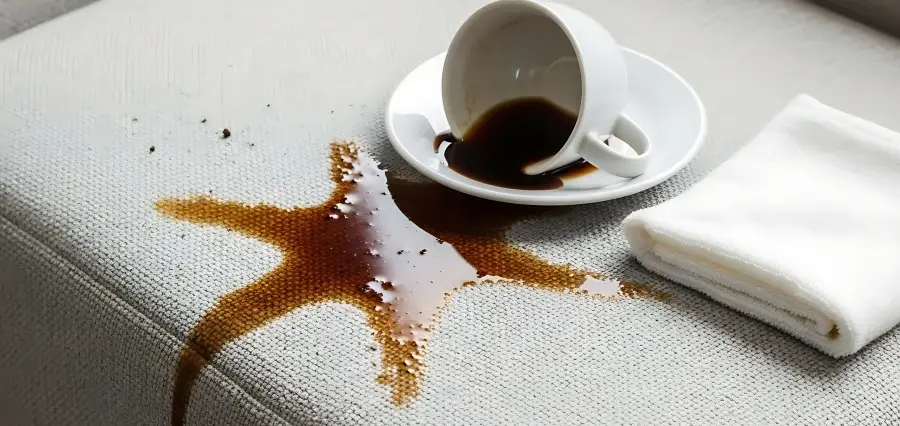
Spills are a major reason upholstered dining chairs develop permanent-looking marks. A few drops of coffee, juice, sauce, or cooking oil can spread through fabric fibers and leave a stain that becomes harder to treat after drying.
The appropriate response depends on the substance and the upholstery material. Before applying liquid, check the cleaning code and manufacturer’s care instructions. For fabrics that permit suitable spot treatment, begin by gently blotting fresh moisture with a clean, absorbent cloth.
Avoid rubbing the spill across the seat. Rubbing can spread liquid into a larger area and may push residue farther into the fabric. Repeated pressure can also distort delicate fibers.
Why Water Can Leave a Ring Around a Stain
Water rings sometimes appear when someone tries to remove a small stain using too much moisture. As the treated area dries, dissolved residue may move toward the edges of the damp patch. The result can be a visible outline that is larger than the original spill.
Some upholstery materials are particularly sensitive to this effect. A chair may appear clean immediately after treatment, only to reveal a pale or dark ring once it has dried.
Excessive wetting creates other concerns. Moisture can reach the cushion padding, where it may take much longer to evaporate. If the chair is used or covered before the interior has dried, unpleasant odors and further staining may develop.
Oil-based food stains present different challenges because ordinary water may not dissolve greasy residue. An unsuitable detergent can also leave a film that attracts dust or changes the fabric’s texture.
For stubborn or unfamiliar stains, a professional upholstery specialist may be more appropriate than repeated household treatments. Preserving the fabric is more useful than removing a small mark at the cost of damaging the entire seat.
When Dining Chair Cleaning Needs Professional Attention
Some dining chairs need more than regular vacuuming. Upholstery may have accumulated several types of residue over time, making individual spot treatments less successful. Heavily used seats can develop general discoloration, while older spills may leave marks that are difficult to identify.
Before arranging professional help, determine whether the problem involves removable surface dirt, a specific stain, or deterioration of the fabric itself. A faded seat cannot necessarily be restored by washing, and worn upholstery may require repair or replacement rather than further cleaning.
The distinction between general residential cleaning and specialist upholstery treatment matters here. For example, Alto Cleaning Services provides household cleaning that can address dining-room floors, tables, and other accessible surfaces. If upholstered chairs require stain extraction, fabric shampooing, or treatment of deeply absorbed odors, the availability of those tasks should be confirmed rather than assumed.
A dining room may need attention in several places at once. Food residue around the table, sticky chair legs, and crumbs beneath seating can often be addressed through ordinary household cleaning methods. The fabric seat, however, may need material-specific products and controlled drying.
When discussing the condition of the room, describe the actual cleaning problems. A dining chair with a few loose crumbs requires a different level of attention from one with an old drink stain that has reached the padding.
Where the upholstery is delicate, antique, or particularly expensive, professional fabric assessment can prevent avoidable damage. Some stains are not completely removable, and a responsible specialist should be able to explain the limitations of treatment.
Protect Chair Frames and Decorative Details During Cleaning
The fabric is not the only part of an upholstered dining chair that needs maintenance. Wooden legs, painted frames, metal supports, and decorative trim can collect fingerprints, food splashes, and dust.
These materials should not automatically receive the same products used on the upholstery. A cleaner suitable for fabric may leave residue on wood, while a strong degreaser used on a chair frame could affect its protective coating.
Painted wooden frames often benefit from gentle dusting and limited moisture, following the manufacturer’s instructions. Repeatedly soaking joints or carved details can damage the finish and may affect the material beneath it.
Metal frames also require appropriate care. Some finishes are sensitive to abrasive pads, acids, or concentrated cleaning products. A soft cloth is generally a safer starting point than aggressive scrubbing.
Decorative nailheads, buttons, piping, and stitched borders can create additional cleaning challenges. Dirt may accumulate around these details, but forcing a brush into narrow gaps can loosen trim or damage stitching.
If the upholstery needs wet cleaning, surrounding wood and metal components should be protected from unnecessary moisture. Water running down the fabric may reach joints or finishes that were never intended to become wet.
Routine house cleaning services may address accessible furniture surfaces as part of maintaining a dining room, but detailed furniture restoration is different from removing ordinary dust and grime. Explaining the materials involved helps establish which tasks are appropriate during a cleaning appointment.
Prevent Dining Chairs From Developing Heavy Buildup
Preventing dirt from becoming embedded is generally easier than removing an established stain. Regular light maintenance can reduce the amount of residue that settles into the fabric while preserving its texture.
Vacuuming the chairs periodically helps remove crumbs and loose dust before repeated use pushes them deeper into the upholstery. The appropriate frequency depends on how often the chairs are used and whether children, pets, or frequent visitors share the dining space.
Food spills should be handled promptly using the method permitted for the fabric. Waiting until a stain becomes dry and difficult to identify can limit the available cleaning options.
Some chairs have removable seat cushions or washable covers, but they should not be placed in a washing machine unless the manufacturer specifically permits it. Even a cover with a zipper may be intended only for professional servicing.
It also helps to pay attention to activities that put unusual pressure on the upholstery. Using dining chairs as temporary workstations, allowing damp towels to rest on their seats, or placing open food containers directly on the cushions can introduce residue that ordinary dining use would not.
A practical cleaning routine should take the surrounding environment into account. Dusty floors, food debris beneath the table, and dirty chair legs can contribute to the overall condition of the seating area.
Regular household maintenance from Alto Cleaning Services may be relevant when dining spaces need recurring attention to floors and other surfaces. Upholstered chair care remains a separate consideration that depends on the material and the exact cleaning work agreed upon.
The aim is not to keep chairs looking untouched at all times. Ordinary use will create some wear, but removing loose dirt and treating suitable spills early can prevent many avoidable stains.
Know When Cleaning Will Not Restore the Fabric
An upholstered chair can appear dirty for reasons that are not entirely related to removable grime. Fabric may fade from light exposure, become worn through repeated friction, or develop a flattened texture in heavily used areas.
A pale patch on a chair near a window might be fading rather than a stain. Darkening along the seat edge could involve both accumulated oils and worn fibers. In these situations, cleaning may improve the appearance without restoring the original colour or texture.
Loose seams and damaged cushion padding create different problems. Washing the fabric cannot repair stitching that has come apart or restore support to a compressed cushion.
Persistent odors may also require further investigation. If liquid has penetrated the internal padding, ordinary surface wiping may not reach the affected material. Applying more water can make the problem worse if the cushion cannot dry properly.
Replacing or reupholstering a chair may be more sensible when its fabric is badly damaged. For a valuable piece, a furniture restoration specialist can advise whether the existing material can be preserved.
Knowing when to stop cleaning protects the chair from unnecessary treatment. A small stain may be less noticeable than the larger damaged patch left behind by an unsuitable cleaner.
Keep Dining Chairs Clean Without Wearing Out the Upholstery
Upholstered dining chairs become dirty quickly because they combine frequent use with absorbent materials. Food crumbs settle into seams, skin oils gradually darken contact areas, and accidental spills can reach the padding beneath the fabric.
The most practical maintenance begins with gentle vacuuming, careful handling of fresh spills, and following the manufacturer’s cleaning instructions. Different upholstery codes permit different treatments, so choosing a product based only on the appearance of the fabric can lead to damage.
Routine house cleaning services can help maintain the dining area surrounding the chairs, while specialised upholstery cleaning should be arranged according to the fabric’s needs and the scope of the service. Alto Cleaning Services offers residential cleaning for everyday household upkeep, making clear communication about furniture and surrounding surfaces particularly relevant when planning an appointment.
Dining chairs do not need aggressive cleaning to remain presentable. Removing loose debris before it becomes embedded, treating stains appropriately, and avoiding excess moisture can protect the upholstery and keep the dining area comfortable for everyday use.