




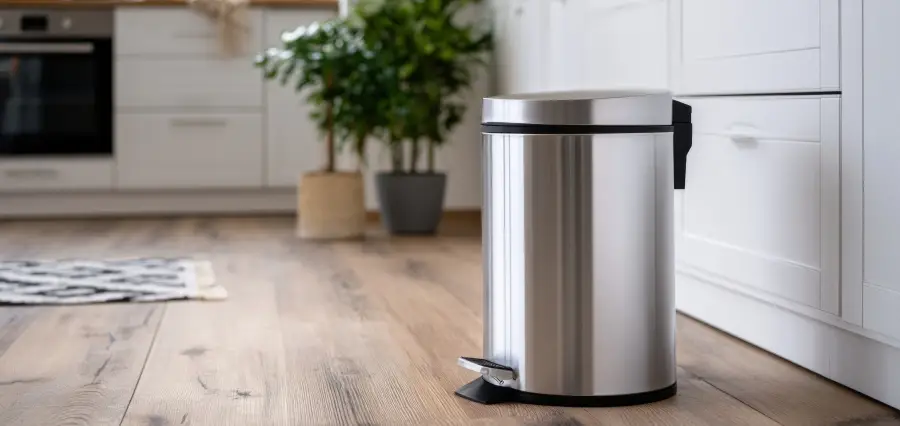
Emptying a wastebasket should get rid of the unpleasant smells coming from it, but that doesn’t always happen. Sometimes, the odor remains even after the bag has been replaced and the bin looks completely empty. You might notice it when opening a kitchen cabinet, walking into the bathroom, or returning to a room that has been closed for several hours. The smell can be particularly frustrating because there is no obvious rubbish left to remove.
The problem often comes from residue that has collected inside the wastebasket or on nearby surfaces. Small leaks, food particles, damp liners, and forgotten spills can create unpleasant odors long after the original rubbish has been taken outside. Regular household maintenance and house cleaning services can address many of these issues, but identifying the source matters more than simply spraying a fragranced product into the bin.
Wastebasket cleaning is a small part of household hygiene that can easily be overlooked during everyday chores. North County San Diego House Cleaning provides residential cleaning options covering kitchens, bathrooms, and other living spaces where rubbish containers are commonly kept. Although the company’s service offerings involve household surface cleaning, the treatment of individual wastebaskets should be confirmed rather than assumed. Understanding why bins develop odors can help prevent recurring problems without turning a simple cleaning task into a complicated project.
Why an Empty Wastebasket Can Still Smell Bad
A wastebasket may appear clean once the rubbish bag has been removed, but its interior can still contain traces of food, liquid, dust, and other substances. Over time, these materials collect around the bottom, along the sides, and beneath the rim. Even a small amount of residue can produce a noticeable odor when it remains trapped in an enclosed space.
Liquid leaks are among the most common causes. A disposable cup containing leftover coffee, damp food packaging, or a container with sauce at the bottom can release moisture into the rubbish bag. If the liner has a small tear, the liquid may reach the bin itself. Once it dries, it can leave behind a sticky coating that ordinary bag replacement does not remove.
Food residue creates another problem. Small particles can become trapped between the bag and the wastebasket, particularly when rubbish is pushed down to make more room. Organic material left in a warm, damp environment can support microbial activity, which may produce unpleasant smells as it breaks down.
Bathroom wastebaskets develop odors for different reasons. Used tissues, damp cotton pads, personal care products, and moisture from the surrounding room may all contribute. A bin placed beside a shower or sink can remain exposed to humid air, making it harder for damp residue to dry.
The material of the wastebasket also matters. Smooth plastic and metal surfaces can usually be wiped clean, but scratches, seams, hinges, and textured sections may trap residue. A bin with a pedal-operated lid may have additional gaps around the mechanism where small particles collect.
The odor may also come from outside the bin. If liquid has leaked onto the floor or into a cabinet, replacing the liner will not resolve the smell. This is why finding the actual source should come before applying another cleaning product.
How to Clean a Wastebasket Without Leaving Odors Behind
A thorough wastebasket clean begins by removing the rubbish and inspecting the container while it is empty. Look for dried liquid, sticky spots, crumbs, discoloration, and residue around the rim. If the bin has a removable lid or inner bucket, check those parts separately.
For washable plastic bins, begin with warm water and a mild detergent suitable for the material. Use a soft sponge or cloth to loosen residue, paying particular attention to corners and the bottom where liquid tends to collect. A small, soft brush may help clean recessed sections that are difficult to reach with a cloth.
This is where detailed household cleaning becomes more useful than simply replacing rubbish bags. Professional house cleaning services san diego often focus on kitchen and bathroom sanitation, including wiping surfaces, removing ordinary grime, and maintaining frequently used areas. The same attention to residue is helpful when cleaning a wastebasket because removing the material responsible for the smell is more productive than masking it with fragrance.
Clean the Lid, Rim, and Pedal Mechanism
The inside of a wastebasket is not the only area that needs attention. Lid edges and upper rims often collect fingerprints, food residue, and small particles when rubbish is deposited. In kitchen bins, these areas may develop a greasy coating from repeated contact with food packaging.
Wipe the accessible surfaces using a suitable cleaner and a soft cloth. If the lid can be safely removed according to the manufacturer’s instructions, cleaning it separately may provide better access to the surrounding edges.
Pedal-operated mechanisms require more caution. Avoid soaking hinges or allowing water to enter areas that contain metal springs or other components that may be damaged by moisture. A lightly dampened cloth or suitable brush is often more appropriate than spraying liquid directly into the mechanism.
Metal wastebaskets should also be dried carefully after cleaning. Water left around seams or damaged coatings may contribute to corrosion over time. Some decorative finishes can be affected by abrasive pads or acidic cleaning products, so follow the manufacturer’s care recommendations.
Rinse and Dry the Container Properly
Once the visible residue has been removed, rinse washable surfaces as directed by the cleaning product’s instructions. Detergent left inside a bin can create a slippery film that attracts more dirt and makes future cleaning unnecessarily difficult.
Drying is equally important. Installing a fresh rubbish bag while the container is still wet traps moisture between the liner and the bin. This can encourage musty odors, even when the original dirt has been removed.
Leave the container open in a well-ventilated area until it is completely dry. Wipe accessible seams and corners with a clean cloth if moisture remains. For larger bins, turning the container carefully to allow water to drain may help, provided it can be done safely without damaging the lid or mechanism.
If a persistent odor remains after thorough washing and drying, examine the bin for cracks, deeply scratched areas, or components that cannot be cleaned properly. In some cases, replacing a deteriorated container is more practical than repeatedly trying to restore it.
Check the Floor and Cabinet Around the Wastebasket
One reason wastebasket odors are difficult to identify is that the smell may not be coming from the bin itself. A small leak can reach the surrounding floor, cabinet base, or nearby wall without leaving an obvious puddle.
Kitchen wastebaskets are often stored beneath sinks or inside pull-out cabinets. These enclosed spaces can hold odors because airflow is limited, particularly when moisture remains trapped beneath the bin. If the container is removed but the smell persists, inspect the cabinet floor, corners, and any protective tray beneath it.
Wood-based cabinet materials need particular care. Excessive water can cause swelling around exposed edges or damaged laminate. Use a cleaning method compatible with the surface rather than soaking the cabinet to remove an odor. Dry the area thoroughly before replacing the wastebasket.
North County San Diego House Cleaning includes kitchen and general household cleaning among its residential services. For homeowners dealing with recurring odors, the surfaces surrounding rubbish containers may deserve attention alongside ordinary countertop wiping and floor cleaning. However, damaged cabinetry, plumbing leaks, and deeply absorbed contamination may require repair or specialist treatment.
Freestanding wastebaskets can also leave residue beneath them. Dirt may collect around the base, particularly on textured flooring or along the junction between a floor and wall. Moving a lightweight bin during routine cleaning makes it easier to remove debris before moisture or spills turn it into stubborn grime.
Where a smell persists near a sink cabinet, check for other possible sources. A leaking pipe, damp cabinet panel, or drain problem can produce odors that seem to originate from the wastebasket. Cleaning the bin repeatedly will not solve an issue elsewhere in the cabinet.
Prevent Wastebasket Odors Through Better Everyday Habits
Once the wastebasket has been cleaned, a few changes in how it is used can reduce the likelihood of odors returning. The most useful habits involve preventing liquids from collecting, keeping liners secure, and emptying rubbish before food residue begins to break down.
Choose a liner that fits the container properly. A bag that is too small may slip down into the bin, allowing rubbish to touch the sides. One that is overly thin may tear when sharp packaging or heavy waste is added. The aim is to keep the rubbish contained without stretching the liner beyond its capacity.
Drain leftover liquids before disposing of suitable containers, and avoid placing uncovered food waste directly into a bin that may remain indoors for several days. Where local waste collection arrangements permit, separating food scraps from general household rubbish may also reduce the amount of organic material left inside.
Kitchen wastebaskets generally need closer attention than containers used only for dry paper or packaging. Food residue and moisture can develop odors quickly, especially when rubbish remains indoors for extended periods. A bedroom bin that holds only dry tissues and paper may not need washing as frequently.
Homes with several wastebaskets can benefit from checking each container according to how it is used. The bathroom bin, kitchen rubbish container, and small office wastebasket do not necessarily require identical cleaning schedules.
For people arranging house cleaning services, it is useful to clarify whether wastebasket interiors, bin exteriors, and surrounding cabinet areas are included in the appointment. Some routines involve emptying rubbish and replacing liners, while washing individual bins may be treated as a separate task. Knowing the difference avoids assuming that every source of household odor will be addressed during ordinary cleaning.
Another helpful habit is to inspect the container whenever a bag leaks. Instead of immediately replacing the liner, remove any spilled material and wash the affected surfaces. This prevents residue from drying beneath the next bag, where it may remain unnoticed for weeks.
Understand Why Air Fresheners Do Not Solve the Problem
A common response to a smelly wastebasket is to spray air freshener inside it or place a scented product beneath the liner. While fragrance may temporarily reduce how noticeable the odor feels, it does not remove food residue, moisture, or microbial contamination.
In some cases, scented products mix with the original smell and create an even stronger odor. This is especially noticeable in small bathrooms or closed kitchen cabinets where air does not circulate freely.
Baking soda is sometimes used to absorb odors, but it should not replace washing a dirty container. It may help manage certain smells in a clean, dry bin, yet it cannot reliably remove grease, food particles, or liquid trapped in seams.
Strong disinfectants are not always necessary either. For ordinary household grime, cleaning with a suitable detergent and water often addresses the main problem. Disinfection may be appropriate when a particular contamination risk exists, but the product must be compatible with the surface and used according to its label.
Avoid mixing bleach with vinegar, ammonia, or other household chemicals. Dangerous gases can form, especially in enclosed areas. Using several products together will not make a wastebasket cleaner and may create unnecessary health risks.
A persistent odor despite proper cleaning can indicate a different problem. The surrounding cupboard, flooring, or nearby plumbing may need attention. Identifying the cause is more productive than continuing to add stronger fragrance.
When Does a Smelly Wastebasket Need More Than Routine Cleaning?
Most wastebasket odors can be addressed through washing, drying, and better rubbish management. However, certain conditions suggest that ordinary cleaning will not be enough.
A plastic container with deep scratches or damaged seams may retain residue that is difficult to remove. A metal bin with extensive corrosion may also become harder to maintain because its surface is no longer smooth. Replacing these containers can be reasonable when cleaning no longer produces a satisfactory result.
The surrounding property may require separate attention if a leak has affected flooring or cabinets. Swollen boards, soft areas, peeling finishes, or persistent dampness should be investigated before further cleaning is attempted.
North County San Diego House Cleaning offers routine and deep residential cleaning options, but cleaning work should not be confused with repairing moisture-damaged materials or correcting plumbing problems. When an odor comes from an underlying building issue, resolving that issue is necessary to prevent the smell from returning.
For households that have fallen behind on regular maintenance, house cleaning services may provide support with accumulated kitchen grime, bathroom cleaning, floors, and other common areas. A wastebasket with heavy residue should still be discussed specifically if washing the container is a priority, rather than assuming it is part of every cleaning package.
It may also help to review how the household handles rubbish. If the same container develops odors repeatedly despite being cleaned properly, consider whether food waste remains too long, liners leak frequently, or the location prevents the bin from drying after accidental spills.
Keep Wastebaskets Clean Without Adding Unnecessary Work
Wastebasket odors rarely disappear permanently when the only action taken is replacing the rubbish bag. Small liquid leaks, food residue, moisture, and dirt around the bin can remain long after the original waste has been removed. The most reliable approach is to identify where the smell begins and clean the affected material appropriately.
A properly washed and dried container is easier to maintain, especially when rubbish liners fit securely and spills are addressed before they dry. Cleaning the floor or cabinet beneath the bin can also prevent an overlooked leak from becoming a recurring problem.
The household cleaning work offered by North County San Diego House Cleaning covers everyday residential maintenance, while specific tasks involving bin interiors or unusual contamination should be confirmed before an appointment. For those using house cleaning services, communicating persistent odor problems and their likely sources helps clarify what needs attention.
A wastebasket does not need constant scrubbing or strong fragrance to remain manageable. Keeping liquids contained, removing residue promptly, and allowing the container to dry thoroughly can prevent many unpleasant smells from developing in the first place.