



When it comes to heating your home, choosing the right radiator design is key to maximising both warmth and aesthetic appeal. Among the various styles, vertical radiators are becoming increasingly popular. But the question remains: are vertical radiators more efficient than the traditional horizontal ones? This article delves into this issue, exploring the different aspects of radiator efficiency so you can make an informed decision for your household.
The Basics of Radiator Efficiency
Radiator efficiency can depend on several factors, including size, material, and placement within the room. Essentially, efficiency refers to how well the radiator can convert energy (typically from hot water or electricity) into heat that warms the room. Generally, a radiator that can heat a room faster and maintain a steady temperature using less energy is considered efficient. While this depends on the overall heating system, the design of the radiator can also play a significant role.
Design Differences: Vertical Vs. Horizontal
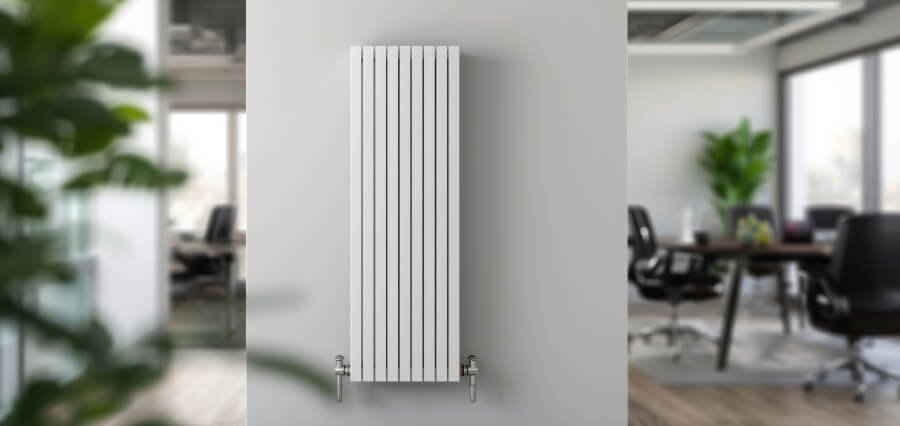
At first glance, the primary difference between vertical and horizontal radiators is aesthetic. Vertical radiators are taller and thinner, making them ideal for modern homes that favour minimalist or avant-garde interior designs. In contrast, horizontal radiators have a more traditional, compact appearance. However, from a functional perspective, these design differences affect the distribution of heat within a room. Some argue that vertical radiators distribute heat more evenly, but this largely depends on where they are placed and the size of the room.
Heat Distribution and Placement
One of the main arguments in favour of vertical radiators is their ability to distribute heat more rapidly and evenly in a room. Since hot air rises, a vertically designed radiator can circulate more air across different heights, potentially warming a room more quickly. However, the placement of the radiator plays a crucial role in its efficiency. If a vertical radiator is placed in a corner or behind furniture, its ability to distribute heat is compromised. Thus, proper positioning is key for maximising heat distribution, regardless of the radiator type.
Space Considerations
Another key factor in the choice between vertical and horizontal radiators is space efficiency. For homes with limited wall space or awkward layouts, vertical radiators offer a practical solution, freeing up wall areas for other uses. This can be particularly advantageous in smaller rooms or urban flats lacking space. In such cases, vertical radiators can be more “efficient” in terms of utilising space effectively, although this doesn’t directly affect thermal efficiency.
Cost and Installation
Finally, there are cost implications to consider. Vertical radiators often come with a higher price tag than horizontal models, due in part to their design and specialised features. They may also require more complicated installation, especially if your existing plumbing or electrical system isn’t set up to accommodate them. While initial costs may be higher, the benefits of better heat distribution and space utilisation could offset the investment in the long run, depending on your specific needs and lifestyle choices.
Ben Austin is the founder and CEO of Absolute Digital Media, a UK-based SEO and digital marketing agency established in 2008. The agency specialises in regulated industries including iGaming SEO, financial services, legal, and healthcare, and has accumulated over 175 industry awards. Ben has 17 years of hands-on experience in technical SEO, link acquisition, and search strategy for compliance-sensitive sectors. He writes on organic search, AI-driven visibility, and LLM citation optimisation.