



By Philip Jameson
Why hair restoration should consider the years ahead, as well as the day of surgery.
Most people start thinking about a hair transplant when something bothers them: a receding hairline, thinning temples or a crown that looks more exposed in photographs. Naturally, they want to know what can be done to improve it.
But a transplant becomes part of someone’s appearance for years, potentially decades. Hair loss may continue, hairstyles may change, and the donor supply has limits. Planning therefore needs to look beyond the first result.
For people researching their options, The Toronto Hair Transplant Clinic offers a starting point for exploring hair restoration in Toronto. A consultation should cover what can be achieved now and how that decision might hold up over time.
Hair Loss Doesn’t Always Stop After Surgery
A transplant moves existing follicles into thinning areas. It does not necessarily stop the process affecting the natural hair around them.
Someone who restores their frontal hairline in their thirties may develop further thinning behind it. Without enough consideration of that possibility, a hairline that initially looks well blended could eventually appear disconnected from the surrounding hair.
That doesn’t mean transplantation is unsuitable. It means the plan should account for change. The question is not simply where hair is missing today, but how transplanted and existing hair might look together later.
A Hairline Needs to Age With You
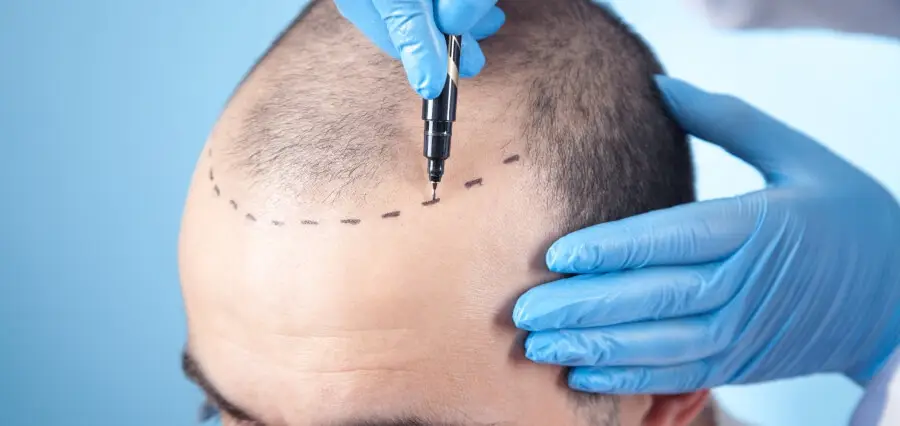
The hairline frames the face, so even small decisions about its height, shape and softness can influence the overall result.
It’s understandable to want the hairline you remember from your teenage years. However, a lower hairline usually needs more grafts, leaving fewer available if thinning progresses elsewhere.
A slightly higher, more mature design can sometimes offer a better balance between appearance and future flexibility. That choice should reflect your facial proportions, hair characteristics and pattern of loss.
Rather than choosing a hairline from another patient’s photograph, ask why a particular design makes sense for you. A useful consultation should make that reasoning clear.
Donor Hair Is a Limited Resource
Hair transplantation redistributes hair; it doesn’t create an unlimited supply.
Donor follicles usually come from the back and sides of the scalp, where hair tends to be more resistant to common pattern hair loss. How much can be used depends on the individual donor area.
The important question is therefore not just, “How many grafts can I have?” It is also, “What should remain available if I need further treatment?”
Donor management and hairline design belong in the same conversation. Using more hair now may reduce the choices available later.
More Grafts Don’t Automatically Mean a Better Result
Graft counts are easy to compare, which makes them tempting to use as a measure of value. But numbers alone say little about how natural or full the result will look.
Placement, angle, direction and density distribution all matter. So do hair thickness, curl and the contrast between hair and scalp.
Two people receiving the same number of grafts can have noticeably different outcomes. Concentrating grafts where they provide the greatest visual benefit may be more effective than spreading them evenly across every thinning area.
The aim is to use donor hair carefully, with a clear purpose for each area treated.
Timing Depends on More Than Age
There is no single “right age” for a transplant. The pace and pattern of hair loss, donor quality and expectations all need consideration.
A younger person with rapidly changing hair loss may need a more cautious approach than someone whose pattern has remained stable. Family history can provide context, but it cannot predict exactly what will happen.
Medical treatment may also be relevant because surgery does not necessarily protect the native hair that remains. Whether medication is appropriate requires an individual discussion with a qualified healthcare professional.
Patients exploring The Toronto Hair Transplant Clinic can use their consultation to ask how surgery might fit into a broader hair-loss management plan.
Photographs Help, but They Aren’t a Promise
Before-and-after images can show what has been achieved, but another person’s result is not a blueprint.
Donor density, hair texture, facial structure and the extent of hair loss vary. Photographs also capture one moment; they may not show how a result changes as surrounding hair continues to thin.
A more useful question than “Can I have that exact hairline?” is “What is realistic for my hair and donor supply?”
Think Beyond the Recovery Period
Recovery is only the beginning. Visible growth develops gradually, and the early weeks or months do not represent the finished result.
Before committing, patients should understand the expected timeline, donor limitations, recommended design and possibility of future treatment.
A successful plan should improve today’s appearance while leaving room for tomorrow’s changes. That is what makes hair restoration a long-term decision.
About the Clinic
The Toronto Hair Transplant Clinic is a Toronto-based hair-restoration clinic. Visit its official website to learn more about its services.
About the Author
Philip Jameson writes about hair restoration, patient decision-making and aesthetic medicine.
Editorial Note
This article provides general education, not individualized medical advice. Hair-loss patterns, donor availability and suitability for treatment require assessment by a qualified healthcare professional.
Learn More About Hair Restoration in Toronto
For more information about the clinic and its current hair-restoration services, visit The Toronto Hair Transplant Clinic and review the available information before deciding whether to arrange a consultation.
The Toronto Hair Transplant Clinic | Hair Restoration Education.