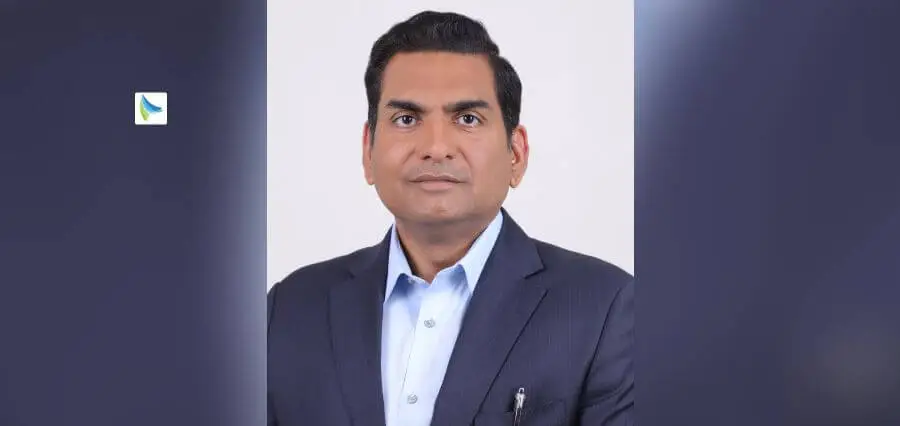


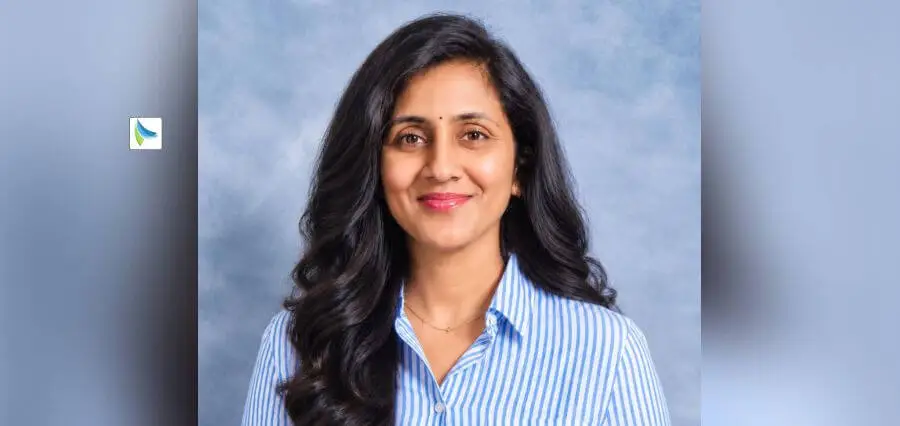
Rehabilitation is not simply about helping someone recover movement. It is about restoring the confidence to walk independently, the ability to return to everyday routines, and the freedom to participate in life with greater independence. Behind every meaningful recovery is a combination of clinical expertise, scientific evidence, patience, and an understanding of the person beyond the diagnosis. For Srivalli Chekuri, Clinical Lead and Physical Therapist, these principles form the foundation of her approach to rehabilitation.
Her professional journey brings together physical therapy, exercise physiology, geriatric care, research, clinical leadership, and emerging artificial intelligence technologies. Through her clinical experience and research contributions, she continues to explore how evidence-based practice and responsible innovation can strengthen rehabilitation while keeping patients’ individual needs at the center of care.
Turning Research into Meaningful Rehabilitation
Srivalli’s commitment to advancing rehabilitation extends beyond clinical practice into research and professional knowledge-sharing. One of her recent academic contributions was a poster presentation at the Texas Physical Therapy Association conference, where she presented work exploring healthcare economics and the role of artificial intelligence in modern geriatric physical therapy.
Her participation reflects an interest in examining how emerging technologies and evolving healthcare approaches can contribute to rehabilitation practice, particularly in the care of older adults. As healthcare systems continue to explore new ways of delivering services, the intersection of clinical effectiveness, resource utilization, and technology offers important opportunities for research and professional discussion.
She also participated as a panelist and speaker on “AI for Every Mind” at the Global Economic Forum Summit held at Harvard University in 2026. Through these professional engagements, she contributes to wider conversations about healthcare innovation, the responsible application of artificial intelligence, and the evolving role of technology in clinical decision-making.
For Srivalli, however, research and innovation ultimately matter because of their potential to improve patient care. The value of an idea is not determined solely by its novelty or recognition, but by how effectively it can address real clinical challenges and support better outcomes.
Exploring healthcare economics is essential to understanding how healthcare resources can be allocated more effectively while maintaining quality, accessibility, and patient-centered outcomes. In geriatric physical therapy, this perspective is particularly valuable as healthcare systems seek sustainable ways to meet the growing needs of older adults. Integrating economic considerations with clinical evidence and emerging technologies can help inform more effective and responsible rehabilitation practices.
Seeing the Person Beyond the Diagnosis
Srivalli’s experience across physical therapy, exercise physiology, and rehabilitation has shaped her understanding of patient-centered care. Each discipline has contributed a different perspective on movement, recovery, physical function, and the practical application of clinical knowledge.
Her work with older adults has reinforced an important lesson: successful rehabilitation means more than improving strength, balance, or range of motion. These clinical measures are essential, but their true significance lies in what they enable patients to accomplish in their daily lives.
For one individual, progress might mean walking without assistance. For another, it could mean climbing stairs safely, getting out of a chair independently, or returning to a favorite activity. Although these milestones may appear small, they can represent a substantial improvement in confidence, dignity, and quality of life.
Understanding these priorities requires listening carefully and recognizing that every patient brings a different combination of experiences, limitations, expectations, and personal goals. Srivalli therefore emphasizes individualized treatment planning rather than relying on a uniform approach.
As she explains, “Most meaningful progress happens when clinical knowledge and genuine human connection come together.”
This philosophy reflects her belief that physical therapists must combine technical competence with empathy. Patients need appropriate treatment, but they also need to feel heard, respected, and supported throughout their recovery.
Adapting Care to Different Clinical Environments
Experience across home health, skilled nursing, outpatient care, and sports rehabilitation has taught Srivalli that effective treatment depends on the patient’s circumstances as much as the clinical condition itself.
In home health, rehabilitation takes place within the environments where patients live and carry out everyday activities. Navigating stairs, moving around furniture, using a bathroom safely, and managing household routines can present challenges that may not be apparent in a clinical setting. This experience has strengthened her focus on practical interventions that support safety and independence at home.
Skilled nursing has offered another perspective, particularly when working with medically complex patients whose recovery may involve gradual progress. Improvements in transfers, walking distance, balance, or the level of assistance required can represent important achievements, even when recovery takes longer than expected.
Outpatient care and sports rehabilitation, meanwhile, often involve preparing patients to meet progressively demanding physical goals. Returning to employment, recreational activities, or sports may require carefully planned strengthening, conditioning, movement training, and functional progression.
Across these settings, Srivalli considers the patient’s starting point, desired outcomes, potential barriers, and available support. This adaptable approach allows rehabilitation plans to remain practical, measurable, and relevant to individual needs.
Clinical Leadership Rooted in Collaboration
As a Director of Rehabilitation and Clinical Lead, Srivalli’s responsibilities extend beyond individual treatment decisions. Her role involves coordinating care, supporting clinical teams, encouraging evidence-based practice, and helping professionals work toward shared patient outcomes.
She believes that effective rehabilitation begins with a clear understanding of each patient’s medical condition, functional abilities, personal priorities, and circumstances. These factors help clinicians establish meaningful goals and select interventions that address the patient’s broader needs.
Collaboration is especially important when rehabilitation involves multiple disciplines. Physical therapists, occupational therapists, speech-language pathologists, physicians, caregivers, and other healthcare professionals may all contribute to a patient’s progress. Consistent communication and mutual respect help ensure that their efforts remain aligned.
Srivalli encourages an environment where team members can communicate concerns, share observations, and respond to changes in a patient’s condition. Such coordination supports continuity of care and helps prevent treatment from becoming fragmented.
Evidence-based practice provides another foundation for her leadership. She recognizes the importance of current research while acknowledging that its application requires clinical judgment and consideration of individual circumstances. Research informs decisions, but clinicians must also evaluate patient preferences, responses to treatment, and the practical realities of care.
Her leadership approach emphasizes critical thinking, mentorship, accountability, and continuous professional development. By supporting clinicians in understanding not only how an intervention works but also why it is appropriate, she aims to strengthen both clinical confidence and the quality of patient care.
Leading With Compassion and Accountability
For Srivalli, leadership is demonstrated through everyday actions as much as formal responsibilities. Listening, communicating openly, leading by example, and creating opportunities for professional growth are central to the environment she seeks to cultivate.
She believes clinicians should feel comfortable asking questions, discussing complex cases, sharing ideas, and acknowledging uncertainty. These conversations encourage learning and help teams address challenges collaboratively.
Mentorship also plays an important role. Clinicians bring different experiences, strengths, and perspectives to their work, and supporting their development requires recognizing those differences while maintaining consistent standards of evidence-based practice.
Compassion remains particularly important in rehabilitation, where patients may be navigating pain, uncertainty, reduced independence, or significant changes in their lives. The quality of an interaction can influence how supported and confident a patient feels throughout treatment.
As Srivalli puts it, “Leadership is more than managing a team. It involves creating an environment where clinicians feel supported, respected, and empowered to provide quality care.”
She sees a direct connection between a supportive workplace and the care patients receive. When professionals feel respected and encouraged to develop their abilities, they are better positioned to offer patients the same consideration and commitment.
For her, accountability and empathy are not competing priorities. Both are necessary to build a rehabilitation culture that values clinical excellence, professional integrity, and human dignity.
Navigating Complex Neurological and Chronic Conditions
Working with patients experiencing neurological and chronic conditions has reinforced Srivalli’s understanding that recovery rarely follows a predictable path. Patients may face several physical, medical, cognitive, and functional challenges simultaneously, making individualized assessment and regular reassessment essential.
In neurological rehabilitation, progress may appear through subtle but important changes. Improved balance, better movement control, increased endurance, safer mobility, or reduced assistance with everyday activities can all contribute to greater independence.
Chronic conditions may require a different approach, with an emphasis on long-term management, education, realistic goal-setting, and self-management rather than a single endpoint of recovery.
Srivalli considers the broader factors that influence rehabilitation, including overall health, functional abilities, emotional and cognitive needs, the home environment, and available support systems. Where appropriate, collaboration with caregivers and other healthcare professionals helps address needs that extend beyond the scope of one discipline.
These experiences have strengthened her belief that a diagnosis should not, by itself, determine the possibilities for improvement. Clinical limitations must be recognized, but opportunities to enhance function, safety, participation, and quality of life should continue to guide treatment.
Advancing Evidence-Based and Technology-Supported Rehabilitation
Srivalli’s involvement in research, peer review, and AI-driven rehabilitation innovation reflects her commitment to continued learning. As healthcare evolves, she recognizes the importance of evaluating new developments carefully rather than adopting them simply because they are technologically advanced.
Her research and peer-review activities have strengthened her ability to examine study methodology, patient populations, clinical significance, and the practical relevance of findings. This perspective helps distinguish between innovations with demonstrated benefits and approaches that still require further investigation.
Artificial intelligence presents opportunities to support clinical decision-making, movement and functional assessment, personalized rehabilitation programmes, progress monitoring, and the efficient use of clinical information. When appropriately developed and evaluated, these applications may help clinicians identify patterns, support assessment, and make more informed decisions.
However, Srivalli believes that technology should complement rather than replace professional expertise. Clinical reasoning, patient communication, ethical judgment, and the therapeutic relationship remain essential to effective rehabilitation.
Her interest in innovation is therefore grounded in a practical question: can a new approach help clinicians deliver better care, make more informed decisions, or improve the patient’s experience and outcomes?
Through professional literature, research, peer review, interdisciplinary discussions, and developments in rehabilitation technology, she continues to explore how scientific progress can translate into meaningful clinical improvements.
Research, Recognition, and Professional Contributions
Srivalli’s professional development has encompassed clinical practice, academic research, innovation, education, and leadership. Her research interests include machine-learning-augmented therapy in post-stroke upper-limb rehabilitation, post-concussion rehabilitation and return-to-sport decision-making, and virtual reality and telehealth in geriatric rehabilitation.
Her academic journey began during graduate education, when she studied the effects of muscle fatigue on elbow proprioception and presented the work at Wichita State University’s GRASP Symposium. She subsequently co-authored research on delayed-onset muscle soreness, with work presented internationally in Copenhagen and at the American College of Sports Medicine Annual Meeting.
Her work has also been published in Medicine & Science in Sports & Exercise and the Journal of Performance Health.
Beyond research publications and presentations, Srivalli’s innovation work includes UK patents related to an AI-based device for predictive healthcare resource allocation and a voice-activated AI assistant for remote patient monitoring. She has also pursued intellectual work related to stroke recovery, fall risk among older adults, and knee osteoarthritis.
Her professional milestones include receiving the FLUX Award in Health and Wellness in 2025 and the International Research Excellence Award in Healthcare Innovation and Physical Therapy in 2026. Being featured in the 100th edition of Physiotimes alongside high achievers in physical therapy practice was another meaningful achievement.
She also contributes to the profession through peer review and mentorship. By helping students prepare for physical therapy licensing examinations in the United States and Canada, she supports internationally educated professionals working toward their professional goals.
Together, these experiences illustrate a career shaped by curiosity, clinical practice, and a continued interest in how research and technology can address real-world rehabilitation challenges.
Learning Across Healthcare Systems
Srivalli’s professional experience in Canada and the United States has broadened her understanding of rehabilitation delivery, clinical environments, professional standards, and approaches to patient care.
Although healthcare systems differ in their structures and processes, rehabilitation shares a common objective: helping individuals achieve their highest possible level of function and independence. Examining different systems creates opportunities to learn about access to care, continuity, efficiency, and the ways professionals can improve the delivery of rehabilitation services.
Her experience navigating professional credentials and practising across jurisdictions has also given her insight into the challenges healthcare professionals may encounter when transitioning between systems.
This perspective informs her commitment to mentoring internationally educated physical therapists and helping them understand credentialing and licensing pathways.
Looking ahead, she hopes to continue identifying effective practices that can be adapted across healthcare environments. Combining lessons from different systems with research, clinical experience, and responsible innovation may help support rehabilitation services that are more connected and responsive to diverse patient populations.
Preparing the Next Generation of Rehabilitation Professionals
Srivalli encourages aspiring physical therapists to develop strong clinical foundations while remaining open to learning beyond their immediate areas of practice. Research, technology, education, and leadership can broaden professional opportunities, but their ultimate value lies in their contribution to patient care.
She advises early-career professionals to remain curious, seek mentorship, read widely, and explore opportunities that extend beyond traditional clinical responsibilities. Her own experience across exercise physiology, research, teaching, leadership, peer review, and AI-driven rehabilitation has demonstrated how different areas of knowledge can inform one another.
She also emphasizes the importance of learning to evaluate research critically. Clinicians do not need to begin by conducting large studies to benefit from scientific evidence. Understanding research findings, assessing their quality, and determining whether they apply to an individual patient are important skills in everyday practice.
Emerging technologies should be approached with the same thoughtful consideration. AI, virtual rehabilitation, telehealth, and remote monitoring may influence the future of rehabilitation, but they must be integrated in ways that preserve clinical reasoning, empathy, communication, and professional accountability.
For Srivalli, professional growth is measured not only through qualifications, awards, or publications, but also through the positive influence professionals have on others: patients regaining independence, families feeling supported, students achieving their goals, and colleagues developing greater confidence in their practice.
Shaping the Future of Rehabilitation
Looking ahead, Srivalli aims to continue bringing clinical rehabilitation, research, leadership, education, and healthcare innovation together. She is particularly interested in the responsible use of artificial intelligence and other technologies to make rehabilitation more personalized, accessible, measurable, and proactive.
Geriatric rehabilitation remains an important area of focus. Helping older adults maintain mobility, reduce fall risk, preserve independence, and remain engaged in their communities represents an opportunity to make a lasting difference in everyday life. Evidence-based treatment, telehealth, remote monitoring, and AI-supported tools may help extend care beyond traditional clinical settings when implemented thoughtfully.
She also intends to continue contributing through research, professional presentations, publications, peer review, and interdisciplinary collaboration. Across these activities, meaningful outcomes must remain the measure of progress, including improved function, greater safety, sustained independence, accessibility, and quality of life.
Mentorship will continue to be another priority. She hopes to support future rehabilitation professionals in becoming confident critical thinkers who can question established practices, evaluate evidence, and adapt to new developments without losing sight of the human needs at the center of care.
Her professional philosophy is reflected in a principle that connects her clinical practice with her interest in research and innovation:
“Progress is not about adopting technology simply because it is new. It is about determining whether an innovation improves clinical decisions, reaches patients more effectively, supports clinicians, and helps people participate more fully in their lives.”
Srivalli Chekuri’s journey reflects an ongoing commitment to connecting scientific inquiry with clinical judgment, professional collaboration, and human understanding. Through her work in rehabilitation, research, leadership, and emerging technology, she continues to explore how innovation can serve a clear purpose: helping clinicians deliver better care and enabling patients to live with greater confidence, dignity, and independence.