

Wellness has never belonged to one tradition, one profession, or one setting. For centuries, communities across the world have developed their own ways of understanding the body, restoring balance, and caring for people through every stage of life. Today, those long-standing practices sit alongside modern medicine and digital tools, and the opportunity to bring them into a more connected conversation has never been greater. Where that conversation is done well, it opens real possibilities for people who want support that is practical, personal, and available well beyond a single appointment.
Making that connection work takes more than enthusiasm for either side. It takes patience, respect for established knowledge, and the discipline to build systems that practitioners can trust and everyday people can actually follow. It also takes leaders who are willing to work across cultures, professions, and borders, listening carefully to what each community brings.
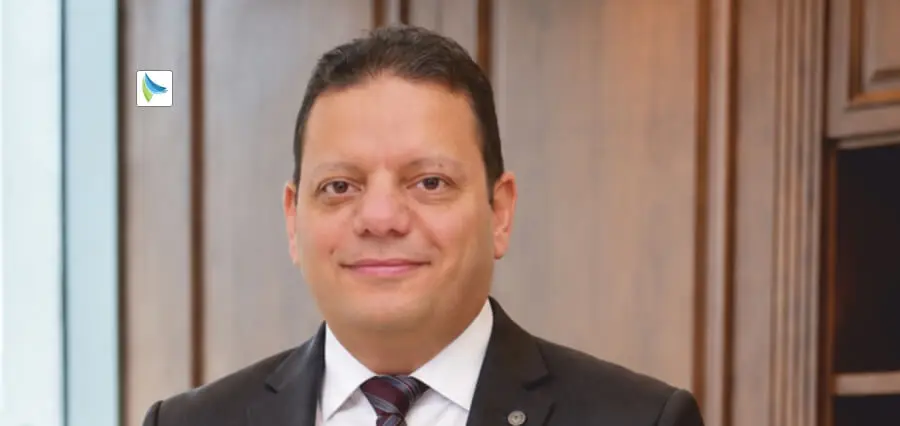
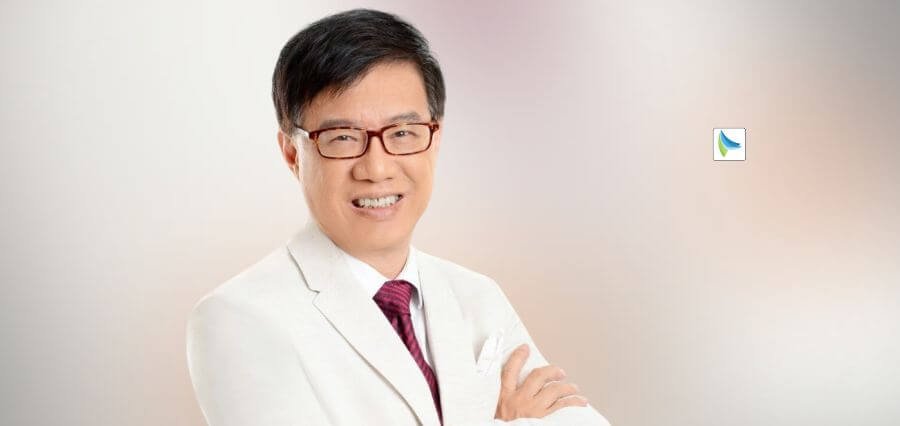
Dr. Michael Tan, Chief Executive Officer of Life Research Wellness Pte Ltd (established 2012) and Elyworld Group Pte Ltd (established 2026), has spent a quarter of a century working in exactly this space. His career in research and entrepreneurship reflects a steady belief that structured, thoughtful collaboration can make good health easier to reach for more people, in more places, and for far longer.
The Beginning of a Data-Driven Wellness Journey
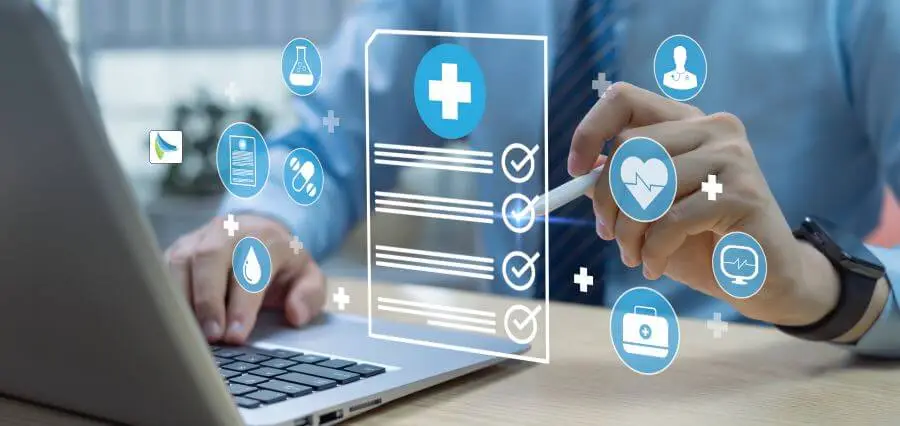
The relationship between traditional healthcare knowledge and modern technology is opening new possibilities for health and wellness management. Traditional practices offer perspectives developed through generations of experience, while digital tools provide ways to collect information, monitor progress, and organise care. Bringing these areas together requires an understanding of both their strengths and the practical needs of individuals seeking long-term wellness support. Dr. Michael has dedicated more than two decades to exploring this connection through research, entrepreneurship, and the development of technology-supported wellness approaches.
His journey began with an introduction to “Electro Meridian Screening, a technology that gave first insight into Traditional Chinese Medicine and the integration of big data with technology.” It demonstrated how practitioners could use data to study TCM and how clients and patients could maintain records of their therapy progress. This experience introduced him to the possibility of supporting traditional knowledge with measurable information and digital tools.
The introduction to this technology became a defining moment in his professional development. In 2007, he became Asia’s first exclusive distributor and training center for Electro Meridian Screening. This role provided him with a deeper understanding of TCM principles, particularly vitality management supported by big data studies of Qi management. It also gave him an opportunity to explore how technology could contribute to the study and application of traditional health practices.
What began as an introduction to a screening technology developed into 25 years of research, exploration, and evolution. During this period, he continued examining the relationship between traditional health concepts, data, and technology. His work gradually shaped a broader vision of wellness management that connects traditional Chinese medicine with digital health information and structured approaches to care.
For him, “The purpose of technology is not to replace traditional knowledge. It is to provide practitioners with additional ways to understand, document, and monitor their work.” This perspective continues to guide his efforts to develop systems that connect professional practice with preventive wellness and long-term support.
Addressing the Gap in Long-Term Care
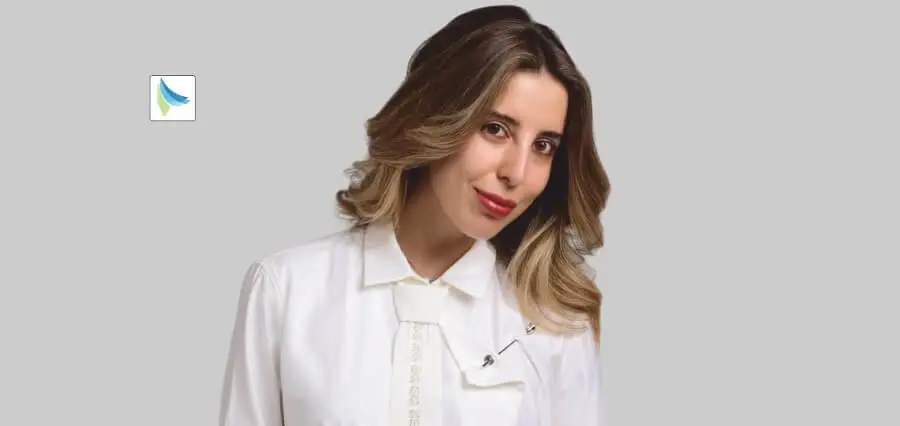
Dr. Yingrudee Bhumisiriratanavadi, Founder of Elyworld Group, and Dr. Michael Tan, Co-Founder of Elyworld Group, have focused on understanding the challenges individuals face when managing their health beyond professional intervention. Through 25 years of research and complementary support for partners and clients dealing with chronic health challenges, he identified a common issue across different cultures and countries.
He observed a difference between the way clinical medicine and traditional care systems are organised. Medical and clinical practices generally follow unified systems for treating illnesses and diseases. Traditional therapy and care, on the other hand, can vary considerably and often rely on more generalised approaches. This difference can create difficulties for people who require continued support after receiving professional care.
The challenge becomes particularly visible when patients and clients return home for recuperation and recovery. Professional intervention may provide an important starting point, but individuals still need to manage their wellbeing in their everyday environments. Without a unified operational system for home-based care, they may spend considerable time searching for practical solutions and deciding which forms of support are suitable for their circumstances.
He identified six critical parameters that create challenges for people seeking care. The first concerns money spent on solutions that may not produce sustainable results. The second is the lack of scientific, evidence-based knowledge and commitment. The third is the lack of time, which can make it difficult for individuals to follow a consistent approach to their wellbeing.
The remaining three parameters concern long-term affordability, accessibility, and availability. A solution may not remain affordable over an extended period, may not be accessible to the individual, or may not be available when required. Together, these six factors influence the choices people make and their ability to maintain support after professional intervention.
These observations helped shape the direction of his work. Rather than viewing wellness as something addressed only during a consultation or treatment, he recognises the importance of considering what happens after individuals return to their homes and daily routines. Practical guidance, accessible information, and organised support can help address some of the difficulties associated with maintaining wellbeing over time.
Through Life Research Wellness and Elyworld Group, he aims to connect professional care with complementary support and home-based wellness management. This approach considers the wider circumstances of care seekers and the need for more structured support beyond the initial stage of intervention.
Developing a Personalised and Structured Wellness Framework
Dr. Michael’s understanding of wellness management has also been shaped by his visits to different countries and his study of diverse traditions, cultures, and heritage practices. These experiences helped him recognise that approaches suitable for one person or group may not necessarily work for another. Individual circumstances, health requirements, access to resources, and the six care-seeker challenges all influence whether a particular methodology can be followed effectively.
This understanding informed his decision to build a framework around three essential components. The first is clinical practice supported by standard operating procedures (SOPs). These procedures are managed through data and documentation to maintain consistency in professional processes. The second is advanced technology that is kept current and updated. The third is standard education combined with continuous learning.
Together, these components provide a foundation for connecting medical practice with digital information and machine learning intelligence. Each has a distinct role within the framework. Clinical procedures establish structure, technology supports the collection and management of information, and education helps practitioners maintain the knowledge required to use these systems.
Through this approach, Life Research Wellness and Elyworld Group have developed new standard operating procedures supported by digital data collection. These systems are intended to enable monitoring and data management for wellness, wellbeing risks, and sustainable management. They also allow partners to work with digital and automated wellness support as part of preventive and complementary care.
The framework reflects the importance of combining professional practice with organised information management. Data collection can support the monitoring process, while clearly defined procedures provide practitioners with a consistent structure for their work. Keeping technology updated and maintaining continuous education are also important to ensuring that the system remains relevant to changing requirements.
Personalisation remains an important consideration within this structure. A standardised process does not mean that every individual receives the same approach. Instead, it provides a foundation through which practitioners can organise information and consider different needs. By connecting clinical SOPs, technology, and education, he aims to support a more consistent approach to preventive wellness and ongoing care.
Connecting Medical, Alternative, and Home-Based Care
Dr. Michael’s leadership philosophy is based on three levels of care: medical care, alternative care, and home and lifestyle care. These areas represent different aspects of an individual’s health journey and the support that may be required at each stage. His approach recognises that professional intervention, complementary practices, and everyday wellness management need to be considered in relation to one another.
This philosophy led to the development of the 80/20 concept. “Under the 80/20 concept, 20% of the support is directed towards alternative and medical practitioners, while 80% of long-term care is carried out at home through advanced automation and technology.” The concept places importance on the role of practitioners while also recognising the need for continued support outside professional settings.
The 80/20 approach reflects his view that wellness management cannot depend entirely on occasional professional intervention. Individuals spend much of their time at home and within their daily routines. Supporting this part of their health journey is therefore an important consideration when developing long-term wellness systems.
Advanced automation and technology form part of the proposed support for home-based care, while medical and alternative practitioners remain important contributors. This creates a framework in which professional knowledge and technology can work together across different levels of care.
Bringing these areas together also requires collaboration among people with different professional backgrounds. Researchers, innovators, entrepreneurs, wellness practitioners, technology specialists, and international partners each contribute knowledge and experience. He approach places importance on connecting these groups rather than allowing them to work independently.
He supports regular workshops involving policy-makers, researchers, and practitioners as a way to encourage discussion and exchange. Such platforms provide opportunities for participants to share perspectives, understand different practices, and identify areas where their knowledge can contribute to common goals.
He also highlights the importance of open platforms where policy institutes and different traditional practices can come together. He believes that “Innovation can face barriers when institutions remain within familiar practices and established ways of working.” Bringing different communities into discussion can encourage new insights and help address concerns relating to safety and accessibility.
For him, collaboration is therefore an important part of advancing holistic health innovation. It creates opportunities for different disciplines to understand one another’s work and consider how their expertise can contribute to more organised approaches to wellness management.
A Commitment to Personal and Community Wellbeing
Managing entrepreneurial responsibilities, international partnerships, and ongoing research requires sustained commitment. For Dr. Michael, this responsibility extends beyond business operations and professional objectives. His work is connected to a wider sense of responsibility towards his own wellbeing, his partners, clients, and the community.
He expresses this commitment through a personal principle: “It is my personal responsibility to keep myself well, my partners well, my clients well, and the community well.”
This statement reflects the broader outlook behind his work. Wellness is not limited to an individual service or a single intervention. It also involves the people who provide support, the partners who contribute to the process, and the communities in which individuals live and work. His perspective places personal responsibility alongside professional collaboration and the development of accessible wellness support.
His contributions have received recognition through the Lifetime Achievement Award by the Thailand National Charter of Health. He has also been recognised as a panel speaker by the United Nations Sustainable Development Goals initiative on AI sustainable wellness and universal healthcare.
These recognitions connect with his involvement in discussions around health innovation, technology, and wider approaches to wellbeing. They also reflect his continued interest in bringing together different areas of expertise to consider how technology and traditional knowledge can contribute to wellness management.
Expanding the Reach of Holistic Health Management
Looking ahead, Dr. Michael’s work through Elyworld Group and Life Research Wellness is focused on expanding across China, Russia, Japan, Thailand, Malaysia, and Singapore. This international direction reflects his aim to connect innovators, researchers, practitioners, and health advocates across different markets.
Life Research Wellness Pte Ltd was established in 2012, while Elyworld Group Pte Ltd was established in 2026. Their work reflects his continued interest in developing approaches that connect traditional health knowledge with digital and automated wellness support. The organisations provide a platform for advancing his wider vision of structured wellness management and collaboration.
His plans include integrating holistic health management into corporate wellness programmes, wellness real estate developments, and professional practices. These areas offer opportunities to extend wellness support beyond individual consultations and consider how health management can become part of different environments and daily activities.
Corporate wellness programmes, for example, provide a setting in which wellness management can be connected with professional and working environments. Wellness real estate developments offer another area for considering how wellbeing can be incorporated into the spaces where people live. Professional practices can also contribute by bringing together relevant expertise and support.
The expansion strategy builds on the belief that different countries and communities bring their own traditions, professional practices, and health-related needs. Connecting these perspectives can create opportunities for collaboration and the development of approaches that respond to a wider range of circumstances.
He also sees international cooperation as an important part of contributing to United Nations Sustainable Development Goal 3, which focuses on good health and wellbeing. His aim is to bring together innovators, researchers, and health advocates to support efforts that make this goal a realistic and sustainable achievement.
Advancing the Future of Integrative Wellness
Dr. Michael’s journey reflects more than 25 years of research into the relationship between traditional Chinese medicine, digital information, and holistic health management. From his early introduction to Electro Meridian Screening to his work developing structured wellness systems, his focus has remained on exploring how traditional knowledge and technology can complement one another.
His approach brings together clinical procedures, updated technology, continuous education, and home-based care. The three-component framework provides a structure for professional practice and information management, while the 80/20 concept highlights the importance of extending support beyond medical and alternative practitioners into everyday home environments.
Through Life Research Wellness and Elyworld Group, Dr. Yingrudee Bhumisiriratanavadi and Dr. Michael Tan continues to pursue their vision that connects researchers, practitioners, technology specialists, and international partners. Dr. Michael work focuses on addressing practical challenges in long-term care while developing more organised approaches to preventive wellness and wellbeing management.
As the organisations pursue their international plans, collaboration remains central to this direction. By bringing together traditional practices, professional knowledge, and digital systems, he aims to contribute to a more connected approach to holistic health management and the wider goal of making good health and wellbeing more accessible.