


Leading Sustainable Change
Transport has long been one of the largest sources of pollution in modern life, and it is also one of the most necessary. People must travel to work and school, and goods must reach shops and homes. Electric vehicles offer a way to meet these needs with less harm to the air and climate. Yet new vehicles alone do not solve the problem. Someone must decide how they are made and how people will use them, and those decisions require direction. This is the task of e-mobility leadership. It joins the creative work of engineers with the long-term concerns of society, so that progress in technology also becomes progress for the planet.
Why Innovation Needs Direction
Innovation moves quickly when talented people are given room to experiment. Left alone, however, it does not always move in a useful direction. A clever product may solve a narrow problem while creating a larger one elsewhere. Leaders must therefore ask what purpose a new idea serves and who will benefit. Strong e-mobility leadership keeps these questions in view from the earliest stage of design. It encourages new thinking while insisting that the results serve both customers and the environment.
A Whole-Life Approach to Sustainability
A vehicle that produces no exhaust is only part of the answer. Materials must be mined and processed, and parts must be made and shipped. Electricity must be generated, and when a vehicle reaches the end of its life, something must happen to its components. Sustainable thinking looks at every one of these stages. Leaders who take this wider view can spot weak points that a narrow focus would miss.
Building the Support Systems
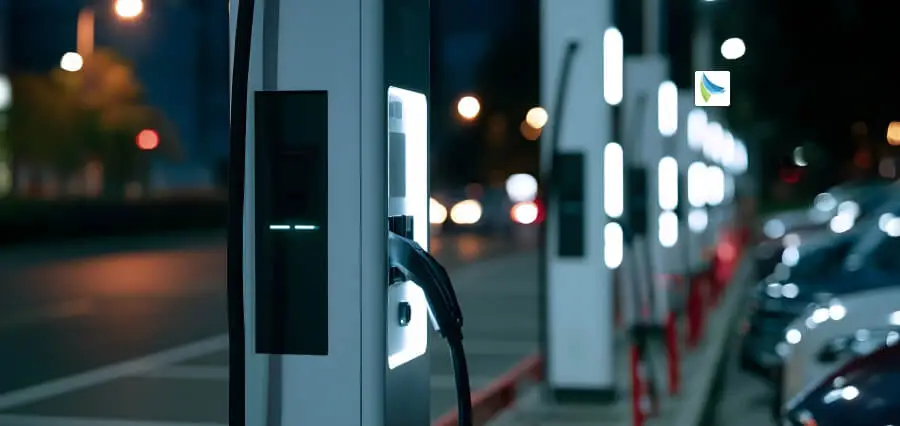
Vehicles are of little use without the systems around them. Drivers need places to charge that are easy to find and reliable. Power networks must be able to handle new demand. These systems involve many parties, including public bodies and private firms and no single group can build them alone. Effective e-mobility leadership brings these parties into one conversation and helps them agree on shared aims. Without such coordination, progress stalls at the point where one system meets another.
Clean Energy Behind the Wheel
An electric vehicle is only as clean as the power that feeds it. If electricity comes mainly from sources that pollute, the gain is smaller than it appears. Leaders must therefore link transport planning with energy planning. Encouraging cleaner power generation alongside vehicle adoption makes the benefit real.
Making Mobility Fair and Accessible
New technology tends to reach wealthy buyers first. If electric transport stays out of reach for most people, its benefits will be limited and public support may weaken. Leaders should think about affordability and about the needs of those who live far from city centers. Public transport and shared options also deserve attention, since they can serve many people with fewer resources. A sound approach to e-mobility leadership treats fairness as part of sustainability, not as a separate matter.
Earning Public Trust
People adopt new technology when they trust it. They want to know that vehicles are safe and that claims made about them are honest. False promises destroy trust at once. Leaders need to be forthright about capabilities of electric transport technologies, both their strengths and weaknesses. Honest communication also helps people adjust to changes in their daily routines, such as new habits for charging. Trust built in this way lasts longer than excitement created by marketing.
Developing Skills and Workers
A shift in transport changes the work that people do. Some skills become less needed, while others grow in importance. There is a joint responsibility of the organizations and the government to ensure that the employees are prepared for the upcoming changes. Training programs and clear communication about coming changes reduce hardship. Leaders who plan for this transition protect both their workforce and the quality of their products.
Measuring Real Progress
It is tempting to judge success by how many vehicles are sold. A better measure asks whether pollution has fallen and whether people can travel more easily. Honest measurement shows where efforts are working and where they are not. It also guards against claims that sound impressive but change little. Leaders who accept this scrutiny build credibility with the public and with partners. Mature e-mobility leadership welcomes such review as a normal part of its work.
Looking Ahead
Technology will continue to improve, and expectations will rise with it. The organizations best placed for the future will be those that treat innovation and sustainability as partners rather than rivals. This calls for patience, since the most lasting changes rarely arrive quickly. Ultimately, leading e-mobility will involve wisdom and accountability. This means that the leader will be able to look past the next product development process and remains useful to the generations that follow.