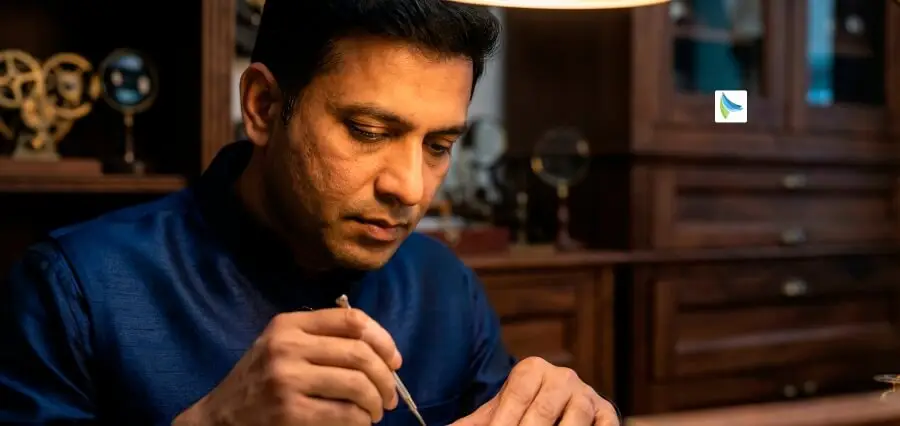




Bringing Indian Craftsmanship to the World
Luxury watchmaking has long been linked with a small number of European towns. Yet the global market is changing. Collectors are looking beyond familiar names, and buyers want pieces that carry a story, a skill and a sense of place. This shift has opened a door for new makers from countries with deep traditions in metalwork, design and fine detail.
Indian Horology is stepping through that door with growing confidence. Independent makers, design studios and heritage-minded brands are showing that India can offer more than retail demand. This article looks at four areas that explain the rise and what they mean for businesses that want to work with this emerging sector.
Rooted In Craft Tradition
India has a long history of skilled handwork. Jewellers, metal engravers, enamel artists and miniature painters have refined their trades over many generations. These skills closely match what fine watchmaking needs: patience, steady hands, and an eye for small detail. Few countries can match this depth of living craft.
Makers are now applying these crafts to dials and cases. Hand engraving, fine surface patterns and enamel work can give a watch a look that is hard to copy. Indian Horology draws strength from this link between old skills and modern timepieces, giving buyers a clear reason to look closer. Skill only becomes a business advantage when it can be taught and repeated to a steady standard, so training matters as much as talent.
Design With A Distinct Voice
Buyers of luxury watches rarely choose by function alone. They want design that feels personal. Indian makers are drawing on architecture, textiles, nature and regional art to shape dials, colours and case forms that look different from the usual European styles. Small touches, such as a dial colour taken from a regional landscape, can make a piece easy to remember.
Restraint is important. The strongest designs use cultural references with care, so that a watch feels thoughtful rather than decorative. Collectors tend to respond to honest storytelling and clean execution. Brands that explain their inspiration clearly and back it up with quality find it easier to earn trust in a market full of choice.
Building Technical Capability At Home
Skilled decoration is only part of the picture. For a watch to be taken seriously, the mechanics must be sound and the finishing consistent. Many Indian makers still depend on imported movements and components, which is common among young independent brands around the world. Being open about this helps build credibility with informed buyers.
Over time, more companies are investing in workshops, training and testing equipment. Watchmaking schools, apprenticeships and links with experienced technicians all help build a local skills base. Indian Horology will become more resilient as these capabilities deepen, because control over quality and supply gives makers more freedom to plan, price and deliver with confidence.
Reaching Global Buyers And Partners
Making a fine watch is one task. Placing it in front of the right buyers is another. Luxury customers expect clear provenance, reliable servicing and proper after-sales care. Makers who offer warranties, repair support and open communication stand a better chance of winning lasting loyalty. A beautiful product alone rarely wins a sale at this level.
Partnerships can speed this up. Specialist retailers, collector communities, trade fairs and online platforms all help new names reach informed buyers. For businesses in luxury retail, design or manufacturing, working with Indian Horology can mean access to fresh products and a story that international customers want to hear. Patience is needed, since trust in this category is built slowly.
Conclusion: Marking A New Chapter
The rise of Indian watchmaking is not a sudden event. It builds on generations of craft, growing design confidence and steady investment in technical skills. None of these strengths is enough alone, but together they give the sector a credible base. Each one supports the others.
The sector still has work to do on scale, supply chains and global awareness. Yet the direction is encouraging. Makers who protect quality, tell honest stories and build strong partnerships can earn a lasting place in the luxury market. Quiet, consistent progress will matter more than loud claims. For businesses watching this space, now is a good time to pay attention.