

Advancing Precision and Design
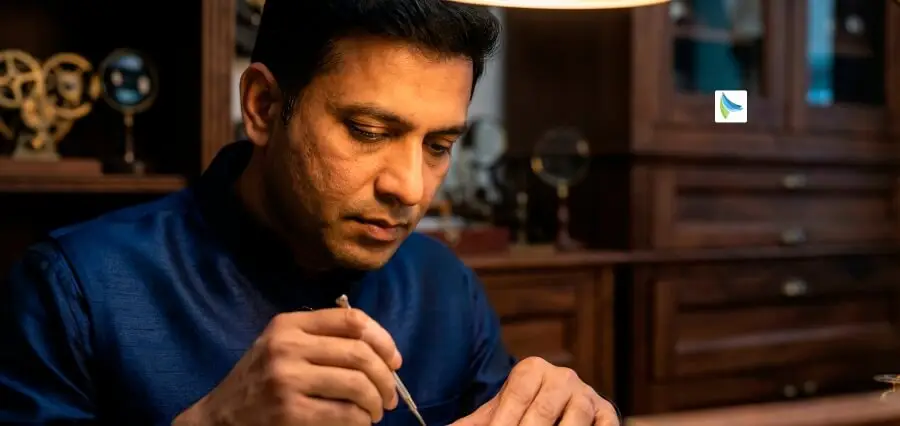
Few products combine art and engineering as closely as a mechanical watch. Hundreds of tiny parts must work together without fault, and even a small error can be seen on the wrist. Because of this, progress in the field has always been slow and careful. Yet innovation has never stopped. Materials, techniques, and innovations continue to redefine what is possible for a watch, not only what it does but also how it looks.
Innovations in horology have become one of the most important factors in premium watchmaking, influencing brand competition and the collector’s preferences. This article looks at four areas where innovation is making the biggest difference, and what they mean for businesses that work in this sector.
Improving Accuracy And Reliability
Accuracy remains the core promise of any watch. Makers have worked for decades to reduce the effect of magnetism, temperature changes and shocks on timekeeping. Better escapement designs, improved hairsprings and refined lubricants help watches stay precise for longer between services. Each small gain adds up to a noticeable improvement for the wearer.
Reliability matters just as much. A luxury buyer expects a watch to run well for years, and ideally for generations. Long-running trials and tests in different conditions help makers prove their claims. When a brand shares clear results, informed customers find it easier to trust the product, and retailers can speak about it with more confidence.
New Materials And Finishing
Materials have changed a great deal in recent years. Silicon parts, advanced ceramics, titanium and new alloys are lighter, harder and more resistant to wear. Some do not react to magnetic fields, and others need less lubrication. Makers now use them in cases, bracelets and the movement itself, which can extend the life of a watch.
Finishing has moved forward as well. Hand bevelling and polishing still carry great value, and modern tools help makers reach a consistent standard more easily. In premium watchmaking, the best results come when traditional craft and new technology support each other instead of competing. This balance protects the character of the watch while improving its quality.
Design And Everyday Wearability
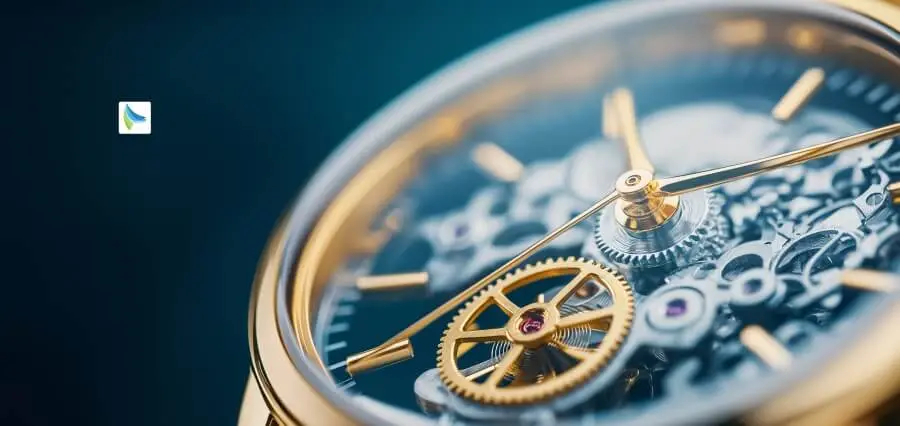
Innovation is not only technical. Designers are rethinking case shapes, dial layouts and the way a movement is displayed. Thinner cases, open dials and clever ways to show complications give watches a fresh look without losing their tradition. Comfort counts too. Lighter materials, curved cases and better straps make a watch easier to wear through a full day.
Personal choice is also growing in importance. Buyers like options for dial colours, strap styles and engraving, because they make a piece feel unique. Brands in premium watchmaking that listen to their customers, and balance new ideas with timeless style, tend to build stronger loyalty. A watch that feels personal is more likely to be worn, kept and passed on.
Responsible Practice And Digital Tools
Sustainability is now an important part of the conversation in premium watchmaking. Many makers are using recycled metals, sourcing materials with more care and designing watches that can be repaired for decades. A watch that can be serviced again and again is already a durable product, and clear repair policies show that a brand stands behind its work.
Digital tools are helping behind the scenes. Through computer-aided designs, accuracy in manufacturing, and camera inspections, it is easier for quick results and correction of errors. The availability of service history and authentications online provides consumer safety in buying and reselling goods. This is possible because of the existence of technology that helps in the craft and does not take the place of the craft, hence allowing the craftsman to pay attention to finer details.
Conclusion: Precision With Purpose
Advancements in watches usually do not happen through one sudden breakthrough. Rather, they are due to continuous developments in accuracy, materials, design, and responsible practices, which reinforce each other and increase the overall worth of the product for producers and consumers.
Firms that continue to invest in their research capabilities, competencies, and communication will become more distinguished in premium watchmaking. For distributors, suppliers and partners, knowledge about these trends will be useful for the proper selection of the products and partners.