


Every house tells a story through its walls, floors, fixtures, and systems. Whatever the history of your property, a long-term improvement plan helps you spend money wisely, avoid unpleasant surprises, and protect the value of what is likely your largest investment.
The secret is to let the age and condition of the house guide your priorities, rather than reacting to problems only when they appear.
Start With the Parts That Protect Everything Else
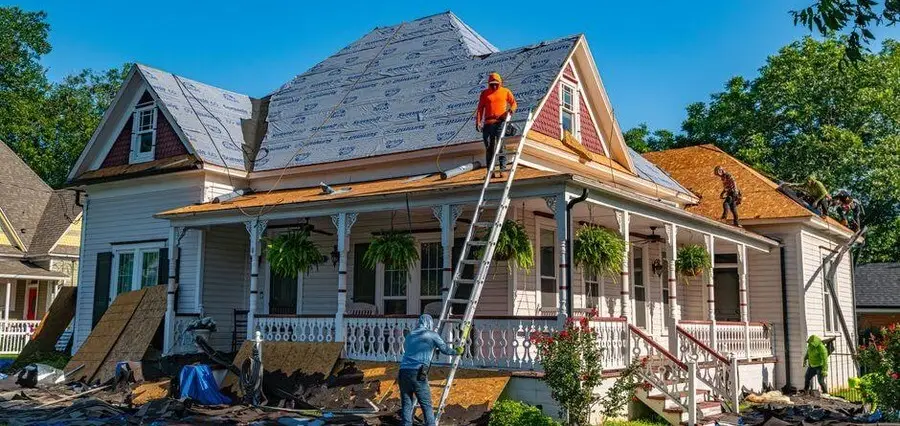
When you begin mapping out years of upgrades, the smartest first step is to look at the features that shield the rest of the house from weather and water. An aging roof is one of the most serious concerns in this group, since worn shingles, soft decking, and failing flashing can let moisture slip into ceilings, insulation, and walls long before a stain shows up indoors. Once the covering has reached the end of its useful life, patching it repeatedly rarely makes sense, and a full replacement carried out by an experienced crew becomes the more sensible path.
Homeowners who want lasting protection and careful workmanship should hire a local contractor skilled in installing new roof systems with quality materials and dependable warranties. Placing this upgrade early in your plan means every interior project that follows will be sheltered from leaks and hidden damage.
Take an Honest Inventory of Your Home
A useful plan begins with a clear picture of where things stand today. Walk through every room, the attic, the basement, and the exterior with a notebook or a phone, and write down anything that looks worn, cracked, stained, loose, or outdated.
It helps to gather whatever records you have. Purchase documents, past inspection reports, receipts from earlier contractors, and appliance manuals can reveal when major components were last replaced. When records are missing, a home inspector can estimate the age of key systems and point out issues you might overlook.
Understand What Each Stage of a Home’s Life Brings
Houses tend to follow a predictable pattern as they age. In the early years, most needs are cosmetic, such as touching up paint, sealing grout, and caring for the yard.
As a home moves into its middle years, larger systems start to wear out. Water heaters, heating and cooling equipment, exterior paint, decks, and kitchen appliances often need attention during this stretch. This is also when owners begin to notice that layouts, finishes, and lighting feel dated.
Older homes bring a different set of concerns. Plumbing lines, electrical wiring, windows, foundations, and chimneys may all need repair or full replacement. Homes built many decades ago can also contain materials that are no longer considered safe, which calls for careful handling by qualified specialists. Knowing which stage your house is in helps you anticipate the next wave of work instead of being caught off guard.
Sort Projects by Urgency and Impact
Once you have a full list, divide it into groups. The first group covers safety and structural problems, such as faulty wiring, gas leaks, foundation movement, rotted framing, or broken stair railings. These should move to the top of the plan no matter how unexciting they seem.
The second group includes items that prevent future damage. Clearing gutters, sealing gaps around windows, regrading soil away from the foundation, and servicing heating equipment all fall here.
The third group holds comfort and efficiency upgrades, such as better insulation, updated windows, or a more modern thermostat. The final group covers lifestyle and appearance projects like remodeling a kitchen, refreshing a bathroom, or building a patio. Keeping these groups separate makes it easier to decide what to tackle first when money and time are limited.
Build a Realistic Budget and Timeline
A long-term plan only works if it fits your finances. Start by estimating the cost of each project, either through online research or by requesting quotes from local contractors. Then spread the work across several years, matching larger projects to the periods when you expect to have more savings available.
Many homeowners set aside a fixed amount each month in a separate account dedicated to home care. This steady habit softens the blow when a major replacement comes due. It is also wise to keep an emergency cushion for repairs that cannot wait, since even the best plan cannot predict every burst pipe or storm.
Timing matters as well. Exterior work is usually easier to schedule during mild weather, while indoor projects can fill the colder months.
Group Related Projects Together
Some improvements belong together, and combining them can save money and reduce disruption. If walls are being opened to update plumbing, it may be the right moment to upgrade wiring or add insulation as well. If you are replacing siding, consider handling gutters and exterior trim during the same project so that everything matches and the house is only disturbed once.
Thinking about these connections early helps you avoid tearing out finished work later just to reach something hidden behind it.
Keep Your Plan Up to Date
A home improvement plan is a living document rather than a one-time list. Revisit it at least once a year, ideally after a seasonal walk-through of the property. Cross off completed projects, note any fresh concerns, and adjust your timeline based on changes in your budget or family needs. Keeping photos and receipts for every completed job also makes future planning easier.
Know When to Call in Experts
Plenty of tasks are well suited to a capable homeowner, such as painting, basic landscaping, or swapping out light fixtures. Others require trained hands, permits, and specialized tools. Electrical panels, gas lines, structural changes, and major exterior work are best left to licensed contractors who understand local building codes.
Getting an expert opinion during the planning stage can also save money. A seasoned contractor can spot hidden problems, suggest more durable materials, and explain which repairs can safely wait.