



Peru rarely fits into a single theme. A trip here can swing from standing inside a 15th-century citadel at sunrise to tasting ceviche at a market stall two hours later, all without feeling rushed or disjointed. The country’s geography does the heavy lifting: desert coast, high Andes, and Amazon basin sit close enough together that a two-week itinerary can touch all three. Below are ten experiences substantial enough to shape a trip around, rather than just check off.
Hiking the Inca Trail to Machu Picchu
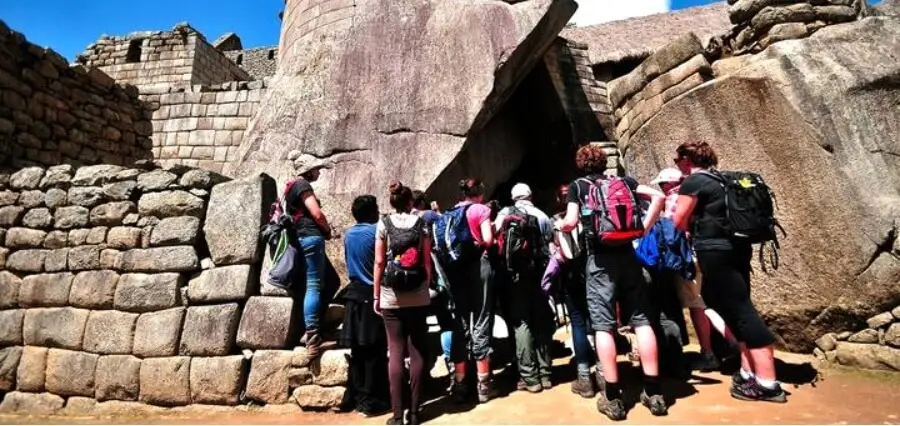
The classic four-day trek covers roughly 26 miles, climbing through cloud forest and over Dead Woman’s Pass at 13,828 feet before descending to the Sun Gate at dawn. Permits are capped at 500 per day, including guides and porters, and sell out months ahead for June through August. Travelers who book early get first light on the citadel before the day-trip crowds arrive by train.
Exploring Machu Picchu Without the Trek
Not everyone wants four days of altitude and tents, and that’s fine. The train from Ollantaytambo to Aguas Calientes takes about 90 minutes through the Urubamba River valley, and from there it’s a short bus ride up to the ruins. Arriving by late morning still leaves time to walk the agricultural terraces and the Temple of the Three Windows before afternoon clouds roll in.
Wandering the Sacred Valley’s Markets and Ruins
Between Cusco and Machu Picchu, the Sacred Valley holds some of the region’s best-preserved Inca engineering, including the terraced site at Moray and the still-functioning salt pans at Maras, where over 4,000 small pools have been harvested by hand since pre-Hispanic times. Pisac’s Sunday market draws vendors from surrounding villages selling alpaca textiles, silver jewelry, and produce. Staying a night or two in the valley, rather than passing through on a day trip, gives a better sense of the agricultural rhythms that still shape daily life there.
Floating Among the Uros Islands on Lake Titicaca
At over 12,500 feet, Lake Titicaca is the highest navigable lake in the world, and the Uros people have built floating islands from totora reeds here for centuries, originally as a way to retreat from conflict on the mainland. Around 70 islands remain inhabited today, some housing just a few families. A boat trip out from Puno includes walking on the spongy reed surface and watching demonstrations of how new layers get added as old ones rot from below.
Eating Your Way Through Lima
Lima has more globally ranked restaurants than any other South American city, with Central and Maido consistently landing on the World’s 50 Best list. But the real education happens at cevicherías and anticuchería carts, where fresh catch and grilled beef heart show up on the same menu without irony. A guided food tour through Barranco or Miraflores makes sense of the Chinese, Japanese, and Indigenous influences that built Peru’s culinary reputation long before it became fashionable.
Spotting Wildlife in the Amazon Basin
Peru’s Amazon region, reached through Iquitos or Puerto Maldonado, covers roughly 60 percent of the country’s land area and shelters pink river dolphins, giant otters, and more bird species than all of North America combined. Lodges near Tambopata National Reserve offer canopy walkways and night boat rides where caiman eyes reflect red in flashlight beams. Three or four nights is usually the minimum to see the basin shift from daytime stillness to nocturnal activity.
Flying Over the Nazca Lines
Carved into the desert floor between 500 BCE and 500 CE, the Nazca Lines include a 935-foot pelican and a hummingbird spanning nearly 300 feet, visible only from the air. Small propeller planes carrying six to twelve passengers circle the main figures for about 30 minutes out of Nazca or Pisco. The lines’ purpose is still debated among archaeologists, ranging from an astronomical calendar to a ritual pathway, which makes the flight feel more like an open question than a settled fact.
Climbing Into the Colca Canyon
Roughly twice as deep as the Grand Canyon in places, Colca Canyon near Arequipa is one of the best spots in South America to watch Andean condors ride thermal currents at close range, often just before 9 a.m. near the Cruz del Cóndor lookout. The surrounding villages still use pre-Inca terracing for potato and quinoa farming. Multi-day treks into the canyon floor pass through small settlements where mule trains remain the primary transport.
Joining Small Group Tours for Remote Regions
Independent travel works well in Cusco and Lima, where infrastructure is solid, and English is widely spoken. But reaching places like Choquequirao, a less-visited Inca site accessible only by a two-day hike, or the high-altitude communities near Ausangate, benefits from local logistics support. Small group tours to Peru handle permits, acclimatization schedules, and transport in regions where public options are limited, while keeping group sizes small enough to stay flexible.
Learning Textile Traditions in the Andean Highlands
In villages like Chinchero and Pitumarca, weaving cooperatives still use natural dyes made from cochineal insects, local plants, and mineral sources to produce the deep reds and golds seen in traditional textiles. A visit usually includes watching the full process, from shearing alpaca wool to spinning it on a hand drop spindle. These cooperatives often sell directly to visitors, which puts income straight into the hands of the weavers rather than a middleman.
Building the Trip Around What Matters Most
Trying to fit all ten of these into one trip usually backfires, leading to rushed mornings and altitude headaches instead of real engagement with any one place. A smarter approach picks two or three anchor experiences, say Machu Picchu, the Sacred Valley, and the Amazon, and builds the rest of the itinerary around travel logistics and altitude acclimatization. Peru rewards travelers who slow down enough to let one region sink in before moving to the next.