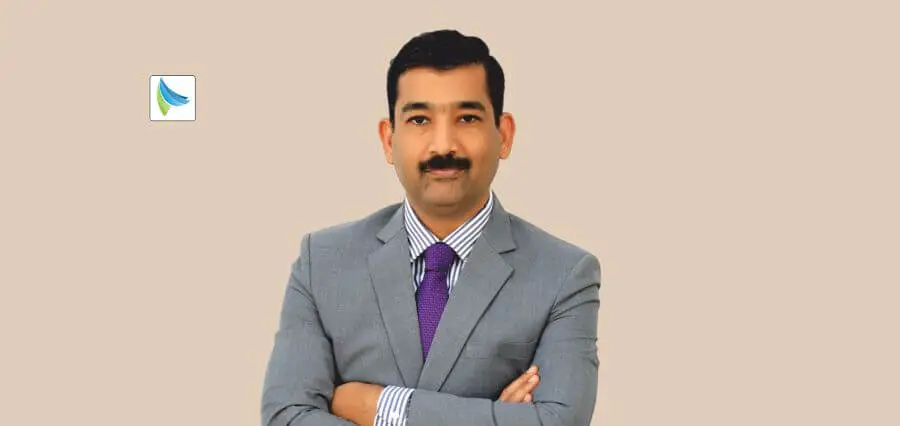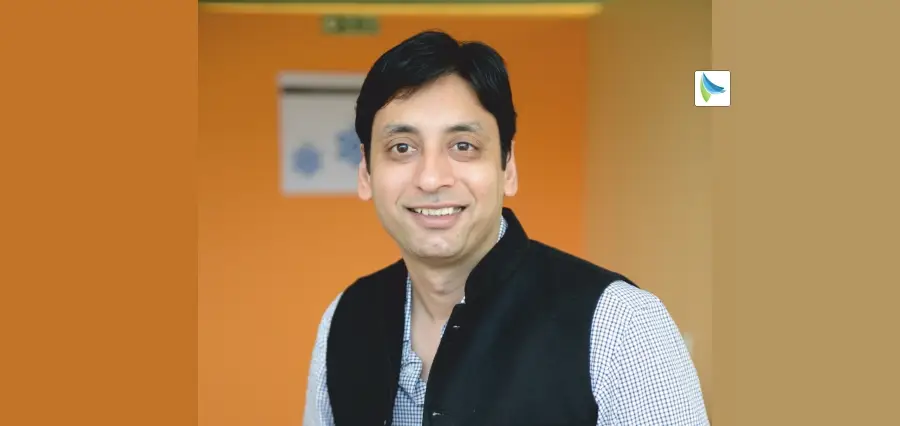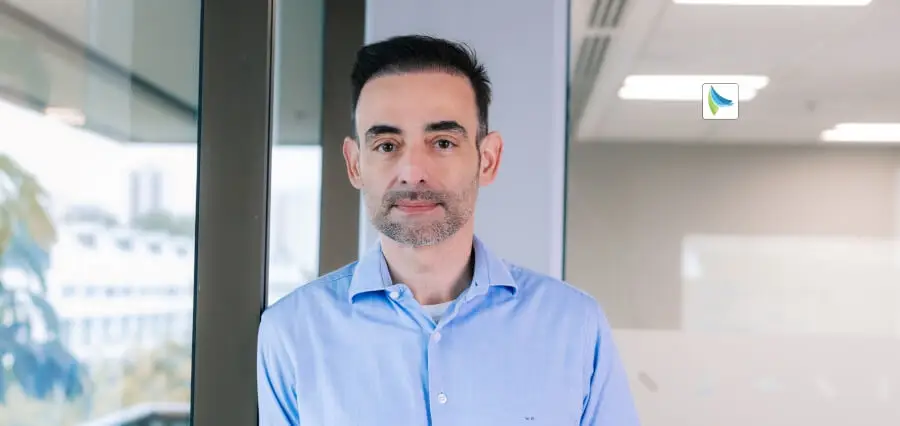




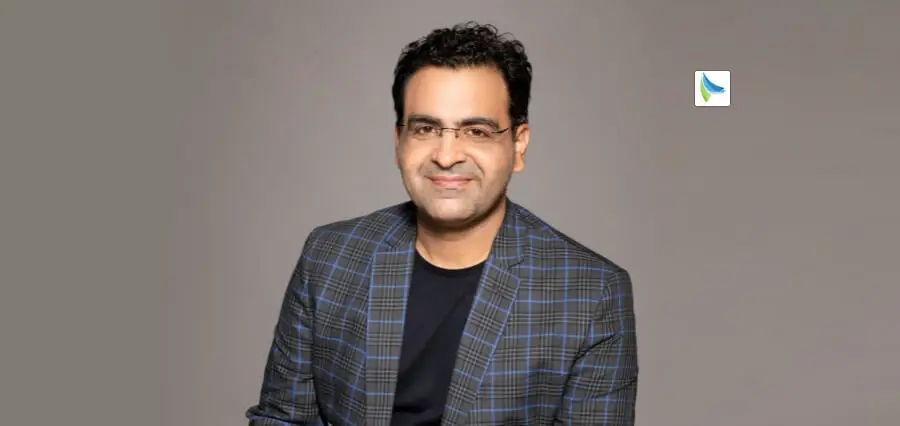
Leadership rarely announces itself. It creeps in quietly, born not from ambition but from frustration with the status quo. Anuj Narula, Founder of Techhub & Teckkonnect, understands this truth intimately. Years spent working across India’s infrastructure sector showed him a persistent and troubling gap the distance between the country’s aspirations for world-class infrastructure and the actual quality and consistency of its execution on the ground. That gap became his calling.
India currently pours resources into roads, highways, railways, tunnels, and hydropower projects at an unprecedented scale. Narula sees this national push not merely as a construction opportunity but as a chance to build something far more durable: human capital. He views leadership as the bridge connecting India’s infrastructure ambitions to the technical expertise, innovation, and trained professionals needed to deliver them. “I see leadership as an opportunity to bridge that gap: by combining technical expertise, innovation, and capability development to create better projects and stronger professionals,” he explains.
A Fragmented Industry, A Focused Response
The infrastructure sector Anuj operates within carries deep structural challenges. It remains fragmented, and in many pockets, poorly organised. Weak planning routinely produces delayed projects, ballooning costs, and strained resources. Compounding this problem is an educational disconnect civil engineering graduates frequently step into the workforce without the practical judgment, critical thinking, or decision-making skills that real project delivery demands.
Narula chose to attack this problem at its root. Rather than treating training as an afterthought, his organisation built continuous learning and in-house capability development into its foundation from day one. The training programmes extend well past technical instruction, deliberately cultivating leadership, critical thinking, problem-solving, communication, and ownership among young engineers. He insists that delivering successful infrastructure demands far more than technical knowledge alone it requires professionals who can think, decide, and lead under pressure.
Staying the Course Through Difficult Periods
Every leader experiences dips in energy and motivation, and Narula does not pretend otherwise. What separates sustained leaders from the rest, in his view, is not the absence of low points but the refusal to let those low points define the journey for too long. He deliberately curates his environment, surrounding himself with people who carry a growth mindset and push him to think beyond the obvious, while regularly reading material that reinforces resilience.
When circumstances turn genuinely difficult, Narula leans on something larger than the immediate obstacle. “Ultimately, during difficult periods, it is my belief in the larger vision that keeps me moving forward. When the purpose is clear, temporary challenges become part of the journey rather than reasons to abandon it,” he says. That clarity of purpose, he suggests, is what converts short-term setbacks into simple waypoints rather than dead ends.
Calculated Risk Over Reckless Ambition
Risk sits at the heart of entrepreneurial growth, but Narula draws a firm distinction between courage and recklessness. Genuine leadership, in his framework, is not about chasing bold moves for their own sake it is about making risk manageable through preparation. Before committing to a major decision, he researches thoroughly, maps the variables at play, identifies where failure is most likely to occur, and builds contingencies for multiple scenarios.
People matter just as much as process in this equation. Narula credits his team’s involvement in critical assignments, coupled with open communication and shared clarity around objectives and obstacles, as the mechanism that turns uncertainty into calculated opportunity rather than blind gambling. A well-prepared team, he has found, can absorb volatility that would otherwise derail a project.
Innovation as a Perspective, not a Product
Ask Narula to define innovation, and he resists the conventional answer tied to technology or disruption. Instead, he frames it as something closer to a mindset. “To me, innovation is a ‘Perspective of Possibilities,”he states. For him, the term describes a refusal to accept convention simply because convention exists a habit of pausing to ask whether a better possibility might be hiding behind the obvious approach. Innovation, in this reading, has less to do with tools and more to do with the willingness to interrogate assumptions and keep searching for improvement.
Learning Milestones and the Discipline of Delegation
Narula describes the accumulated lessons of his career as “Learning Milestones” moments that quietly became stepping stones in how he leads today. Clear communication, delegating responsibility to the right person, staying proactive instead of reactive, and preparing thoroughly before important meetings rank among the most formative lessons he carries. Perhaps most significantly, he has come to see leadership not as a solo performance but as an exercise in creating clarity, trusting capable people, and stepping back to let them take ownership.
A Rotary in Rishikesh, and a Lesson in Human Stakes
Among the moments that have stayed with him, Narula points to a road safety assignment in Rishikesh, where he served as a third-party Road Safety Auditor. The site had a troubling accident history, driven largely by flaws in the geometry and layout of an existing rotary. After conducting a detailed audit, he recommended a set of targeted interventions removing the rotary, introducing speed-calming measures such as a speed table, upgrading hazard markings, and installing clearer traffic signage. These changes made the junction noticeably more visible and considerably safer for road users.
The outcome left a lasting impression. He later learned from a road user that accidents at the site had reportedly dropped by roughly 98 percent following the redesign. Beyond the technical satisfaction of a job well done, the experience crystallised something deeper for Narula: engineering decisions carry the power to directly shape human lives. That realisation, he notes, reinforced his conviction that infrastructure engineering ultimately exists in service of society, not merely in service of blueprints and budgets.
The Discipline Behind the Ideas
Behind Narula’s public output sits a set of quiet, deliberate habits. Each day begins with writing down his priority tasks, a small ritual that sharpens his focus and organises his decision-making from the outset. He protects blocks of undivided attention for his most demanding work, operating on the belief that meaningful output requires uninterrupted concentration. Creativity, he has found, does not flourish in a cluttered mind so he reserves space for creative thinking only after clearing the day’s major priorities, when his mind is calmer and more receptive to new ideas.
Patience, Belief, and the Long Road Ahead
Balancing immediate pressures against a long-range vision requires two different muscles, in Narula’s estimation: patience for the short term and belief for the long term. He anchors his long-term vision to his own sense of identity and purpose, which is precisely why temporary setbacks fail to knock him off course. Obstacles may force him to change route, rethink an approach, or slow the pace but they never change the destination itself.
A Message for the Next Generation
Firstly, Narula’s guidance for emerging leaders starts with one straightforward statement – everybody possesses an ability to make an impact in the world, but only when they trust in themselves and are brave enough to use the opportunity and take a risk. He advises young leaders to forget about titles and awards, and to base their ambitions on true purpose. His guidance is very clear – stop doubting yourselves, identify your strong sides, continue to develop them and act with courage. And at the same time he emphasizes that leaders should not forget about the process because leadership should be evaluated not only by results but also by satisfaction and joy of the process as well.
By means of discipline and taking risks, as well as trusting in infrastructure’s ability to change lives, Anuj Narula continues not only to build roads and structures but also people and mindsets that can support the next stage of India’s development.