



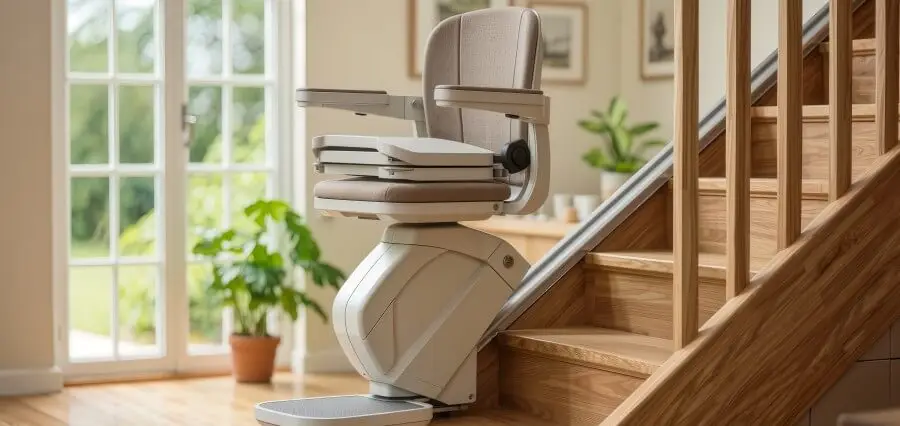
Preparing a home before accessibility equipment is added can make project day easier for residents and technicians alike. Staircases are often positioned in busy areas connecting bedrooms, living rooms, entrances, and hallways, so even temporary activity around them can influence household routines. Thoughtful Stair Lift Installation preparation helps homeowners understand what should be moved, which areas need access, and how daily activities may change temporarily.
Preparation does not require homeowners to make major changes throughout the house. Most tasks involve organizing the immediate staircase area, considering how family members will move between floors, and making sure technicians can reach necessary spaces without avoidable obstacles. Completing these simple steps beforehand can reduce interruptions once work begins.
Every staircase and household routine is different, making project-specific guidance valuable. Stairlift Virginia can explain which areas should remain available and what homeowners can expect during the scheduled visit. Knowing these details in advance allows residents to prepare calmly rather than rearranging belongings after technicians arrive.
Clear Belongings From the Staircase
Stairs sometimes become temporary storage areas for items waiting to be carried between floors. Shoes, laundry baskets, packages, books, and household belongings can reduce usable space without seeming particularly disruptive during ordinary routines.
Removing these objects before project day creates a clear working area. Homeowners should check individual steps as well as the immediate spaces at both ends of the staircase.
This preparation also helps household members. Items moved in advance are less likely to become misplaced when activity begins around an area normally used throughout the day.
Create Space Around Both Landings
The staircase itself is only one part of the working environment. Upper and lower landings may also need sufficient room for technicians, tools, equipment, and normal movement.
Small tables, decorative baskets, plants, or movable furniture positioned close to the stairs may deserve temporary relocation. Homeowners can ask beforehand how much surrounding space should remain clear.
Permanent architectural features generally stay in place. The objective is simply to remove easily movable obstacles that could make access unnecessarily complicated.
Protect Fragile Items Near the Work Area
Decorative objects near staircases can include framed photographs, artwork, lamps, ceramics, mirrors, and collectibles. Even when these items do not directly block access, homeowners may prefer moving particularly fragile pieces temporarily.
Check Nearby Walls and Shelving
Wall decorations and open shelves around the staircase deserve a quick review. Loose or delicate objects can be relocated to another room until project activity is complete.
Stairlift Virginia can identify the general working area so homeowners know which belongings merit attention. This targeted approach avoids unnecessarily clearing entire rooms that will not be involved.
Plan Household Movement Between Floors
Residents may need to travel between floors while technicians are working. Understanding when staircase access could be limited allows the household to plan important activities beforehand.
Frequently needed belongings can be moved to the appropriate floor before the appointment. Medications, work materials, clothing, chargers, and other essentials are easier to organize before the staircase becomes an active work area.
Families should discuss these arrangements together. A simple plan can prevent someone from discovering that an important item is on another floor at an inconvenient moment.
Prepare Children for Project Activity
Children may naturally be interested in unfamiliar tools, equipment, and visitors inside the home. Parents should explain that the staircase area may temporarily function as a work zone.
Young children can spend time in another room or supervised area during active work. This provides technicians with clearer space while helping household routines continue elsewhere.
Favorite toys, school supplies, snacks, and other necessities can be moved beforehand. Preparation is especially useful when children’s bedrooms are located on a different floor from their daytime activities.
Make Arrangements for Household Pets
Pets can react unpredictably to unfamiliar people, sounds, and movement. Some become anxious, while others may repeatedly approach the work area out of curiosity.
A quiet room away from the staircase may provide a more comfortable temporary space. Homeowners can prepare food, water, bedding, and other familiar items before technicians arrive.
Doors and gates should remain secure according to the household’s normal pet-management routine. Planning ahead prevents owners from repeatedly moving animals while project work is underway.
Discuss Parking and Equipment Access
Technicians may need convenient access between their vehicle and the home’s entrance. Homeowners should ask whether a particular driveway or parking area needs to remain available.
Moving household vehicles beforehand can simplify arrival and equipment movement. This is particularly useful where driveways are narrow or street parking is limited.
Clear exterior access also reduces delays at the beginning of the appointment. Technicians can focus on bringing necessary materials inside instead of waiting for vehicles to be rearranged.
Identify the Best Entrance for Technicians
The front door is not always the most practical access point. A garage, side entrance, or another doorway may provide a shorter and clearer route to the staircase.
Homeowners should discuss which entrance will be used and make sure that route is accessible. Packages, shoes, furniture, or seasonal decorations can be moved if they narrow the pathway.
Protecting delicate floor coverings along the route may also deserve consideration. Project-specific instructions can clarify whether homeowners need to make any preparations themselves.
Organize Questions Before the Appointment
Project day often generates questions, but homeowners may forget them once activity begins. Writing down important topics beforehand can make conversations more productive.
Questions might concern operation, household use, basic care, or what residents should expect after work is completed. Keeping them together ensures important concerns are addressed at an appropriate point.
Stairlift Virginia can provide information relevant to the completed setup and homeowner responsibilities. Organized questions help residents focus on details that matter most to their household.
Avoid Making Unrequested Staircase Changes
Homeowners may assume they should remove railings, trim, carpeting, or other staircase components before technicians arrive. Making these changes without specific instructions can create unnecessary work or affect conditions that should have remained unchanged.
Preparation should focus on movable belongings and access unless the project provider gives different directions. Permanent features should generally be left alone until their relationship to the planned work has been evaluated.
This principle keeps homeowners from guessing about technical requirements. Clear instructions are more reliable than attempting to anticipate every installation step independently.
Prepare for Temporary Household Disruption
Stair Lift Installation involves activity inside a part of the home that may normally receive constant traffic. Residents should expect some temporary changes to familiar movement patterns while work is underway.
Remote workers may want to choose a workspace away from the staircase. Household members who need quiet for calls, rest, or study can make similar arrangements.
Planning for modest disruption makes the day easier to manage. The goal is not to redesign household routines, but to create enough flexibility for work to proceed efficiently.
Keep the Immediate Area Clear After Completion
Once technicians finish, homeowners should avoid immediately returning every nearby item to its previous position. The completed setup should first be reviewed and normal movement around the staircase considered.
Residents can then decide where furniture, decorations, and other belongings fit comfortably. Some items may work better in slightly different locations after accessibility equipment becomes part of the space.
Taking time with this final reset can improve everyday organization. It also gives household members an opportunity to become familiar with the changed staircase environment.
Make Project Day Easier Through Preparation
Successful preparation focuses on practical household details rather than technical work. Clearing stairs, organizing landings, protecting fragile belongings, managing pets, planning family movement, and preparing questions can create a more orderly project day.
Homeowners do not need to anticipate every part of Stair Lift Installation themselves. They simply need clear guidance about access and enough time to prepare the areas that will actually be affected.
A well-organized home allows technicians and residents to concentrate on their respective responsibilities. By preparing essential belongings, maintaining clear pathways, and planning temporary routines beforehand, homeowners can reduce avoidable interruptions and make the transition to a newly accessible staircase more manageable for everyone in the household.