



Exterior remodeling often involves several improvements that affect neighboring parts of a home. Siding, gutters, windows, trim, roofing details, and exterior finishes may require contractors to work within the same areas at different stages. Siding and Gutter Installation becomes easier to coordinate when homeowners establish a sensible project sequence before materials arrive and work begins.
Good sequencing is not simply about deciding which contractor arrives first. Homeowners should consider access requirements, removal work, material transitions, equipment placement, and whether one improvement could disturb another. A coordinated plan can reduce unnecessary repetition while giving each part of the exterior appropriate attention.
The complete remodeling schedule should reflect the actual scope of the property. Emerald Roofing and Siding LLC can evaluate relevant exterior conditions while homeowners consider how planned improvements relate to one another. Early coordination creates clearer expectations and helps prevent scheduling decisions from being made only after work is already underway.
List Every Planned Exterior Improvement First
Homeowners should begin by identifying all exterior projects expected during the remodeling period. Even improvements scheduled several months apart may interact with the same walls, roof edges, openings, or access areas.
A complete list can include siding, gutters, roofing, windows, doors, trim, painting, lighting, and other exterior work. Knowing the broader plan allows homeowners to identify connections before individual projects are scheduled.
This exercise can also reveal improvements that are still uncertain. Discussing possible future work early gives contractors useful context, even when homeowners have not made final decisions about every project.
Evaluate Existing Conditions Before Setting the Sequence
Project order should respond to the property rather than follow a universal formula. Existing damage, aging materials, active moisture concerns, and other conditions can change which work deserves priority.
An evaluation may identify components that need attention before new finishes are installed nearby. Addressing underlying concerns first can prevent completed surfaces from being disturbed unnecessarily later.
Homeowners should also share known repair history with contractors. Previous work around roof edges, windows, doors, or wall transitions can provide useful information when the remodeling sequence is developed.
Coordinate Work Around Windows and Doors
Windows and doors interrupt exterior wall surfaces, making them important planning points during remodeling. Siding, trim, flashing, sealants, and other materials may meet around these openings.
Confirm Which Projects Affect Each Opening
Homeowners replacing windows or doors should discuss that work before surrounding exterior finishes are completed. Contractors can then understand which areas may require access, removal, or new detailing.
Emerald Roofing and Siding LLC can consider relevant transitions when evaluating exterior work within its project scope. Clear communication between trades helps prevent assumptions about which contractor will handle materials surrounding an opening.
Plan Removal Before Installing Finished Materials
Many remodeling projects begin by removing existing components. That process can involve tools, debris, ladders, equipment, and repeated access around exterior walls.
Installing a finished component too early may expose it to unnecessary activity from later demolition. Homeowners should therefore understand which materials must be removed before determining when replacement products are installed.
The objective is not to delay completed work without reason. Instead, sequencing should reduce situations where newly installed materials must be protected, removed, or worked around during another planned improvement.
Think About Gutters Before Finalizing Roof Edges
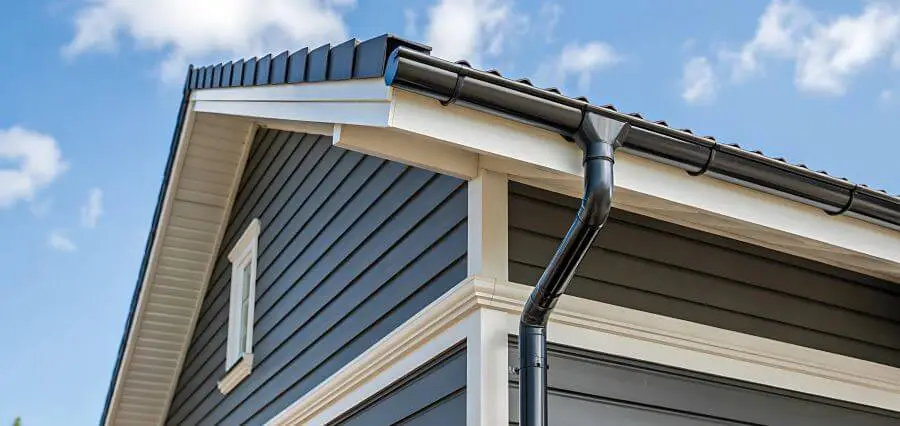
Gutters occupy an important position along roof edges, where several exterior components can meet. Remodeling plans involving roofing, fascia, trim, or related areas should account for gutter work before final details are completed.
Gutter installation in Rockland County may also require access to nearby wall sections and corners. Understanding these relationships beforehand can make scheduling more logical and reduce conflicts between crews working around similar areas.
Homeowners should discuss whether existing gutters remain in place during other work. The appropriate sequence depends on project scope, current conditions, and how surrounding components will be handled.
Organize Material Deliveries and Storage
Exterior projects can bring substantial quantities of materials to a property. Siding products, gutters, trim, roofing materials, windows, and other supplies may all require temporary storage or staging space.
Homeowners should identify appropriate locations before deliveries begin. Driveways, walkways, entrances, landscaping, and contractor access routes can become crowded when several projects overlap.
Delivery timing matters as well. Materials arriving far ahead of installation may occupy useful space, while late deliveries can interrupt the sequence established for different trades.
Preserve Access for Each Contractor
Contractors need practical access to the areas included in their work. Scaffolding, ladders, vehicles, tools, and material staging can influence which portions of the property remain available during each phase.
Homeowners should ask contractors what access they require rather than assuming every project uses the site similarly. One trade may need uninterrupted wall access, while another may require space around roof edges.
Clear access planning can also protect completed work. Crews are less likely to move repeatedly across finished areas when alternative routes and staging locations have been considered beforehand.
Schedule Painting and Finish Work Carefully
Exterior painting can overlap with siding, trim, doors, windows, and other remodeling activities. Completing paint work before nearby construction ends may result in surfaces needing additional attention afterward.
Homeowners should identify which materials arrive factory finished and which areas require field finishing. This distinction can influence when painters enter the overall schedule.
Color decisions should also be made with the complete exterior in mind. Coordinating visible finishes before installation begins can prevent rushed choices when one contractor is waiting for another decision.
Avoid Unnecessary Removal of New Work
Poor sequencing sometimes creates situations where recently completed components interfere with the next project. Even when removal is technically possible, repeating work adds complexity to the remodeling process.
A written schedule helps reveal these conflicts before construction begins. Homeowners can compare each contractor’s scope and identify where one project depends on another being completed first.
Emerald Roofing and Siding LLC can discuss how its exterior work relates to relevant surrounding components. Homeowners can then coordinate those requirements with other professionals involved in the broader renovation.
Keep Communication Clear Between Different Trades
Multiple contractors may not automatically know what other companies are planning. Homeowners or project managers often become the central point connecting schedules, access requirements, and project changes.
Sharing accurate information can prevent misunderstandings about completion dates or responsibility for transition areas. Contractors should know when another trade affects the surfaces or components adjacent to their work.
Changes should also be communicated promptly. A delayed window delivery or expanded roofing scope can affect the sequence of work that was originally expected to follow.
Leave Room for Weather and Schedule Changes
Exterior remodeling depends heavily on workable weather. Rain, wind, temperature conditions, and unexpected delays can shift schedules even when the original sequence was carefully planned.
Homeowners should avoid creating a plan with no flexibility between dependent projects. Some breathing room allows contractors to adjust without causing every later phase to become immediately disrupted.
Communication becomes particularly important after delays. Updating affected trades early can help everyone understand whether access, deliveries, or planned starting dates need to change.
Finish With a Coordinated Exterior Review
As major exterior work concludes, homeowners can review completed areas and confirm that related components meet as intended. This is especially useful around roof edges, corners, openings, trim, and drainage features.
Siding and Gutter Installation should fit within the completed exterior rather than appear as isolated improvements. Reviewing transitions helps homeowners understand how separate project stages have come together.
Successful remodeling depends on more than selecting attractive materials. By establishing priorities, coordinating trades, planning access, organizing deliveries, and allowing flexibility, homeowners can create a practical sequence that reduces duplicated effort and helps each exterior improvement become part of a more organized overall project.