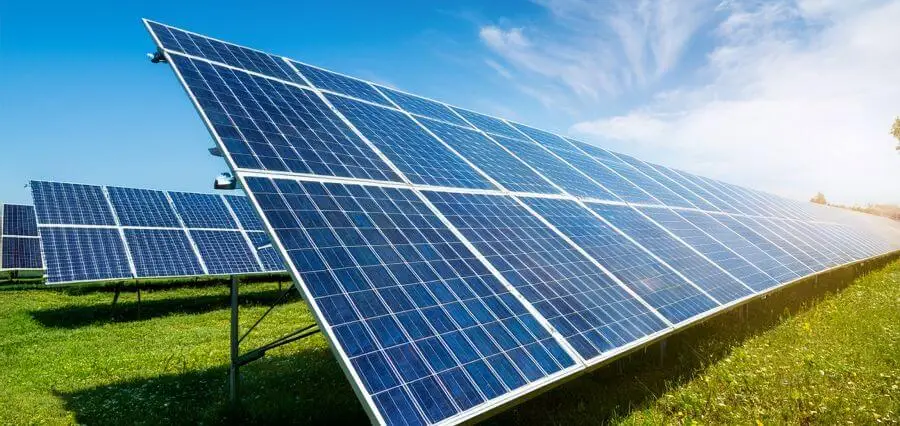



Residential solar panels are often installed where they can receive substantial sunlight, but those locations are not always easy for homeowners to reach. Steep roof slopes, multiple stories, landscaping, narrow side yards, and complicated rooflines can turn routine exterior care into an access challenge. Searching for solar cleaning near me can provide a safer option when panel placement makes ordinary homeowner maintenance impractical.
Accessibility deserves consideration before anyone decides how panels should be maintained. A system positioned above a low garage presents different conditions from an array installed near the ridge of a tall, steeply pitched roof. Even panels that appear reachable from the ground may require specialized equipment once their actual height and surrounding obstacles are considered.
Safe maintenance begins by understanding the property rather than focusing only on the panel surface. Slon Exterior Care can evaluate access conditions around residential arrays before cleaning work begins. Roof configuration, ground conditions, nearby structures, and working space all influence how a service should be approached.
Start With the Height of the Solar Array
Panel height is one of the clearest factors affecting accessibility. Single-story homes may offer comparatively straightforward conditions, while second-story arrays can place substantial distance between the ground and working area.
Height alone does not determine difficulty, however. A lower roof positioned above an enclosed courtyard or narrow passage may be harder to approach than a taller section surrounded by open space.
Homeowners should avoid judging accessibility entirely from photographs or street views. A closer property assessment provides better information about realistic working conditions.
Consider Roof Slope Before Planning Access
Roof pitch changes how easily a person can move around an array. A surface that appears moderately angled from the ground can feel considerably steeper once viewed from roof level.
Steeper roofs increase the importance of professional access planning and appropriate safety practices. Wet conditions can introduce additional concerns because roofing surfaces and surrounding components may become more difficult to navigate.
Homeowners should never climb onto a roof simply because the panels appear close. Safe access requires more consideration than estimating distance from the nearest ladder position.
Account for Panels Near Roof Edges
Some solar arrays extend relatively close to roof edges, while others sit farther inward. Placement affects the working space available around individual panels.
Limited surrounding space can make movement more complicated. Technicians need to consider how they will approach the array without relying on awkward positions or unnecessary movement near exposed edges.
Panel location should therefore be evaluated together with roof shape. Two otherwise similar systems may require very different access strategies because their placement differs.
Evaluate Ground Conditions Around the House
Safe exterior work begins at ground level. Sloped lawns, loose gravel, narrow planting beds, retaining walls, steps, and uneven hardscaping can influence where equipment can be positioned.
Keep Access Areas Clear Before Service
Outdoor furniture, toys, garden tools, portable decorations, and other belongings can reduce usable working space. Moving appropriate items beforehand can create a clearer area for professional equipment.
Slon Exterior Care can explain which ground-level areas should remain accessible before scheduled service. Homeowners can then prepare the property without attempting to move or handle anything on the roof themselves.
Look at Landscaping Near Access Points
Mature landscaping can complicate access even when it adds considerable beauty to a property. Tall shrubs, trees, hedges, climbing plants, and delicate garden beds may occupy areas close to useful approach points.
Professional planning should consider these features rather than assuming they can simply be moved. Established vegetation may require equipment to be positioned elsewhere.
Homeowners can help by identifying particularly sensitive planting areas. This information supports an access plan that respects both the solar system and the surrounding landscape.
Recognize Challenges Created by Narrow Side Yards
Many homes have limited space between exterior walls and fences. Air-conditioning equipment, utility components, storage containers, and vegetation can make these passages even narrower.
Restricted ground space may affect how technicians reach certain roof sections. An approach that works on the front elevation may not be practical along the side of the house.
These conditions should be discussed before service day whenever possible. Accurate information allows access needs to be considered before equipment arrives.
Understand How Complex Rooflines Affect Movement
Some houses contain several roof levels, intersecting sections, dormers, additions, and architectural projections. Solar panels may be distributed across more than one of these surfaces.
Complex geometry can make a system look compact from the street while creating multiple distinct working areas. Moving between sections may require separate access planning rather than one simple approach.
A property-specific assessment becomes particularly useful in these situations. The safest route to one array may not be appropriate for another array on the same home.
Consider Skylights and Other Rooftop Features
Solar panels rarely occupy an entirely empty roof. Skylights, vents, chimneys, antennas, and other components may be positioned around the array and influence available working space.
These features create boundaries that should be recognized during access planning. Technicians need sufficient room to work without treating unrelated rooftop components as convenient stepping or support points.
Homeowners can mention known features when arranging service. Clear information helps create a more complete picture of the roof before work begins.
Avoid Improvised Homeowner Access Methods
A difficult-to-reach panel can encourage creative solutions, but improvised access introduces unnecessary risk. Leaning from windows, climbing onto extensions, or using unstable household equipment can turn simple maintenance into a hazardous task.
Long-handled tools do not automatically solve the problem either. Reaching upward from an awkward position may reduce control while making it difficult to see the surface being addressed.
Searching for solar cleaning near me is particularly useful when safe access is the primary concern. Professional equipment and planning can remove the need for homeowners to place themselves in risky positions.
Prepare the Property Before Professionals Arrive
Homeowners can support efficient service without accessing the roof. Gates can be unlocked, appropriate ground areas can be cleared, and pets can be secured away from active exterior spaces.
Vehicles may also need to be moved if they occupy useful equipment areas. Discussing these requirements in advance prevents avoidable delays when technicians arrive.
Preparation should remain focused on safe ground-level tasks. Anything requiring climbing or rooftop movement should be left to professionals equipped for those conditions.
Consider Weather Alongside Physical Access
A roof that is accessible under favorable conditions may become unsuitable during certain weather. Rain, strong wind, or other environmental conditions can change the safety of elevated exterior work.
Scheduling should therefore allow reasonable flexibility. Postponement caused by unsuitable conditions is different from an ordinary inconvenience because safe working conditions take priority.
Homeowners should keep communication channels available if weather changes near the appointment. Clear updates make rescheduling easier when necessary.
Discuss Unusual Property Features in Advance
Some homes contain features that are not obvious from basic property information. Locked courtyards, detached structures, rooftop additions, restricted gates, or unusual elevations can influence service planning.
Sharing these details early helps professionals understand what they will encounter. Photographs may also provide useful context when access conditions are difficult to describe.
Slon Exterior Care can use property information to prepare for practical access requirements. Advance communication reduces surprises and helps homeowners understand what areas may need to remain available.
Make Safe Access the First Priority
Solar panel maintenance should never require homeowners to take unnecessary risks simply because an array is difficult to reach. Roof height, slope, panel position, landscaping, narrow passages, and architectural features can all make seemingly straightforward cleaning more complicated.
Professional planning begins with the route to the panels, not just the condition of their surfaces. Evaluating ground space, roof geometry, surrounding obstacles, and weather conditions creates a safer foundation for the work.
Hard-to-reach arrays are common on residential properties, and their location should shape the maintenance approach. By prioritizing safe access and preparing appropriate ground areas, homeowners can care for elevated solar equipment without turning routine exterior maintenance into a hazardous do-it-yourself project.