



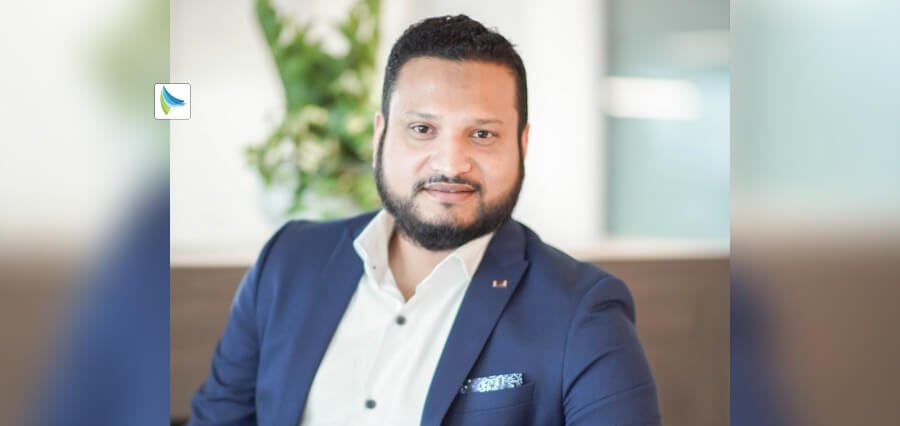
Effective leaders do more than just create profitable companies. They gain the community’s trust, discover unmet needs, and provide long-term value. Rokibul Islam has done exactly that. He has established a company that defies conventional knowledge and demonstrates that moral leadership and financial success can coexist because of his tenacity, strong convictions, and clear purpose.
As the CEO of Meezan Wealth Management, Rokibul has spent more than a decade helping Australians access financial advice that aligns with their values. He started a business from scratch as an immigrant entrepreneur in one of the nation’s most regulated sectors. His concept was straightforward but effective. Financial planning that complies with religious and ethical standards shouldn’t be viewed as a specialty service. Everyone should have access to guidance that aligns with their values.
Building Leadership on Trust and Purpose
Rokibul’s leadership journey began with a simple but difficult challenge. He had to build a business from the ground up as an outsider in an industry that often favors established players. He entered the financial services sector with limited resources and no institutional support. Early in his career, he realised that talent alone was not enough to succeed.
“Success is not achieved through individual brilliance alone,” he says. “It is built through trust, resilience, and the ability to inspire others to believe in a shared purpose.”
This lesson came through experience. As he built his career, Rokibul noticed a significant gap in the market. Many financial advisors overlooked the ethical and faith-based needs of everyday Australians. Families wanted investment strategies that reflected their beliefs, while business owners sought advice that aligned with their values. Too often, they found advisors who either did not understand their needs or chose not to address them.
Recognising this gap became a defining moment in his career. Rokibul realised that leadership is not about selling products or meeting sales targets. It is about understanding real problems and creating meaningful solutions.
“Leaders must be willing to listen deeply, make difficult decisions, and remain committed to their principles even when taking the easier path may seem tempting,” he says. Nearly a decade later, these principles continue to guide his leadership. He believes that trust is the most valuable asset any organization can have. It is more valuable than capital or market share, and once lost, it is far more difficult to rebuild.
Three Pillars of Leadership
Three values guide every decision Rokibul makes. They have shaped his leadership style and continue to influence the way he leads his business. The first value is integrity. For Rokibul, integrity means making decisions based on what is right rather than what is easy. He believes that leaders must keep their words and actions consistent. This consistency builds trust with clients, employees, and stakeholders. Without trust, no organization can achieve long-term success.
The second value is service. Rokibul believes leadership is about serving others, not exercising authority. Whether he is helping clients achieve long-term financial security, supporting employees in their professional growth, or giving back to the community, he sees service as the foundation of lasting impact. He believes leaders create value by putting the needs of others first.
The third value is continuous improvement. Rokibul understands that markets change, industries evolve, and customer expectations continue to grow. He believes leaders must stay curious, keep learning, and remain open to new ideas. This mindset has helped him adapt to change while staying focused on his company’s mission. It is also a culture he encourages throughout his organization.
Balancing Empathy with High Performance
Rokibul believes that empathy and high performance go hand in hand. In his view, strong leadership requires both. He rejects the idea that showing empathy means lowering expectations.
“True empathy is not about lowering standards,” he says. “It is about understanding what people need to perform at their best.”
This belief shapes the workplace culture. Employees are encouraged to feel respected, valued, and heard. Rokibul sees this not as an employee benefit, but as an essential part of building a successful organization. He takes the time to understand the goals, challenges, and motivations of his team members. He believes that when people know their leaders genuinely care about their success, they become more engaged and committed to shared goals.
At the same time, empathy does not reduce accountability. Rokibul sets clear expectations, measures performance, and ensures everyone understands what success looks like. He believes people perform at their best when they see how their individual contributions support the organization’s larger purpose. His leadership approach is simple: support people fully while maintaining high standards. In his view, compassion and excellence can thrive together when leadership is genuine, intentional, and consistent.
Thoughtful Decision Making
Leadership often requires making difficult decisions. Rokibul understands that the responsibility can sometimes feel isolating. To navigate these moments, he follows a thoughtful decision-making process that combines advice from others with personal reflection.
He believes that leaders do not need to have all the answers. Instead, he seeks guidance from experienced mentors, industry experts, and trusted colleagues who can offer different perspectives and challenge his thinking. Rokibul believes that better decisions come from listening to diverse viewpoints rather than relying only on personal judgment.
For important decisions, he also takes time to step back from daily responsibilities and focus on the long-term impact. He evaluates every major decision by asking three questions: Does it align with the company’s values? Does it serve clients fairly? Does it support the organization’s long-term vision?
Faith also plays an important role in his leadership. Rokibul draws guidance from principles based on justice, responsibility, and stewardship. During times of uncertainty, these values help him make decisions that remain true to the company’s mission rather than short-term pressures.
Reframing Failure as Fuel
Rokibul believes that innovation is only possible when people are willing to take calculated risks. He also believes that not every well-planned decision will succeed. What matters most is how leaders respond when things do not go as expected.
When a team member takes a calculated risk that does not deliver the desired outcome, Rokibul’s first priority is to understand what happened rather than assign blame. He makes a clear distinction between negligence and informed decision-making. In his view, employees cannot innovate if they fear being punished for every mistake.
After a project falls short of expectations, the team reviews the decisions that were made, the information available at the time, and the lessons that can improve future outcomes. The focus is on learning and continuous improvement, not fault-finding.
“Some of the most valuable business lessons emerge from setbacks,” he says. Rokibul believes that organizations grow when people are encouraged to innovate, even if some ideas do not succeed. He would rather lead a team that is willing to take thoughtful risks than one that avoids change out of fear. This mindset has become an important part of the company’s culture and long-term success.
Influence Beyond Authority
Rokibul believes that strong workplace relationships begin with a genuine interest in people, regardless of their role or position. He makes it a priority to remain approachable and accessible. Whether he is speaking with senior executives, financial advisors, client service staff, or new employees, he gives everyone the same level of respect and attention.
He believes that listening is an essential leadership skill. Employees at every level often have valuable ideas and insights that leaders might otherwise miss. By encouraging open communication and welcoming honest feedback, Rokibul has built a culture of trust and collaboration.
He also believes that consistency is the foundation of authentic leadership. People trust leaders whose actions match their values over time. For Rokibul, authenticity is not something that can be created for appearances. It is demonstrated through everyday actions and consistent behavior. He believes that when employees feel respected, valued, and connected to a shared purpose, strong relationships develop naturally across the organization.
Character Before Credentials
When hiring leaders, Rokibul believes that character is the most important quality. While skills can be developed and experience grows over time, he believes character is the foundation of effective leadership. According to Rokibul, technical knowledge can be taught and industry experience can be gained. Character, however, is revealed only during challenging situations. It becomes clear when people face pressure, uncertainty, or difficult decisions. These qualities cannot be measured by a résumé alone.
Rokibul looks for leaders who demonstrate humility, accountability, resilience, and a genuine commitment to serving others. During interviews, he asks candidates to share experiences of overcoming adversity, handling failure, resolving team conflicts, and making difficult ethical decisions. He believes these conversations provide a much deeper understanding of a person’s leadership potential than a list of previous job titles. For Rokibul, strong organizations are built by strong leaders, and strong leadership always begins with character.
Success Beyond Achievement
Rokibul’s definition of success has evolved throughout his career. In the early years, he measured success by business growth, professional achievements, and financial milestones. Like many entrepreneurs, he focused on results that could be measured.
Over time, his perspective changed. While financial performance remains important, Rokibul now believes success is about creating lasting value. He measures success by the positive impact his company has on clients, employees, and the wider community. For him, success means helping families achieve financial confidence, providing ethical investment solutions that reflect clients’ values, and building an organization that earns long-term trust.
“Today, success is not simply about what we achieve,” he says. “It is about who benefits from those achievements and the legacy we leave behind.” For Rokibul, true success is measured not only by business performance but also by the positive difference an organization makes in people’s lives.
Growth Through Adversity
Every entrepreneurial journey includes challenges, and Rokibul openly acknowledges his own. One of the biggest achievements of his career grew from the difficulties of building a financial services business in a market dominated by much larger institutions.
There were times when new initiatives did not produce the expected results. Some partnerships did not move forward, and business growth was slower than he had hoped. These experiences were challenging and often tested his confidence. However, they also encouraged him and his team to review their strategy, strengthen their value proposition, and place an even greater focus on delivering an outstanding client experience instead of trying to compete directly with larger organisations.
These lessons became an important part of the organization’s growth. It emerged stronger, with better internal systems, greater transparency, improved technology, and a more effective approach to serving clients. Looking back, Rokibul sees those difficult moments as valuable learning experiences. He believes that setbacks often become the foundation for future success and long-term resilience.
The Future of Leadership
Rokibul believes that his leadership role must continue to evolve as the business grows. He sees his future role as being more strategic and focused on long-term growth rather than daily operations. In the early years of the business, he was closely involved in every aspect of the organisation. He believes that this hands-on approach was necessary during the company’s early stages. However, he also recognises that sustainable growth requires leaders to empower others, develop future leaders, and focus on the long-term direction of the business.
Over the next five years, Rokibul plans to strengthen leadership across the organisation, encourage innovation, and prepare the company for its next stage of growth. He intends to spend more time shaping the company’s culture, guiding its strategic vision, and building systems that support expansion while preserving the values on which the business was founded.
Rokibul also believes that the future of financial services will be shaped by technology, personalization, and trust. He believes successful leaders must remain adaptable while staying true to their core values. His vision is to continue setting high standards in ethical wealth management and help more Australians achieve financial success without compromising their values.
A Legacy Still Being Written
What sets Rokibul apart is his commitment to combining business success with strong personal values. He founded his business to address a gap that had long been overlooked in the financial services industry. Those who have worked with Rokibul describe him as a consistent and dependable leader. He approaches everyday team meetings and important client discussions with the same level of professionalism and commitment.
He is also open about the lessons he has learned from failure, the importance of mentorship, and the role of faith in his leadership. His leadership philosophy is shaped by real experience and guided by clear principles. As he looks to the future, Rokibul remains focused on what lies ahead. His priorities are to develop the next generation of leaders, prepare the business for its next stage of growth, and continue demonstrating that ethical wealth management and business success can go hand in hand.