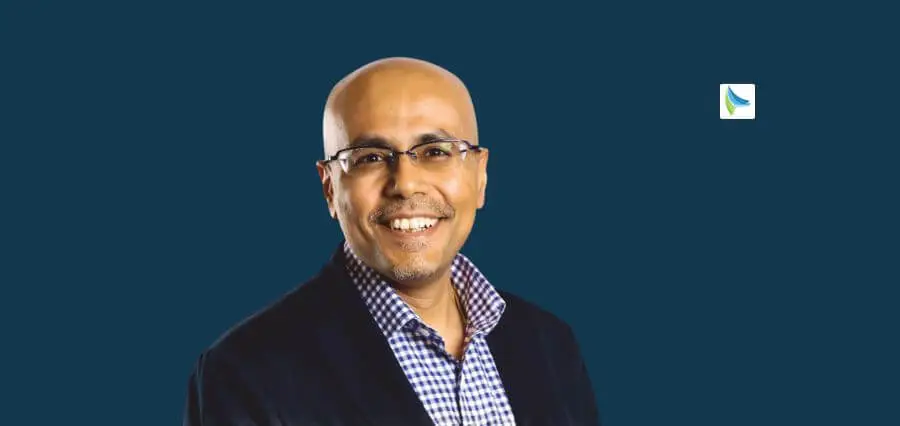





There is a version of HR that most employees have experienced at least once: the department that shows up with paperwork, enforces policy, and disappears until the next performance review. Then there is the version that Sandrine Zouzou has spent over a decade building, one conversation, one honest interaction, and one quietly transformative initiative at a time.
Zouzou is the Country HR Manager at Leadway Assurance Cote d’Ivoire, a subsidiary of one of Nigeria’s most established insurance companies, and she brings to that role something that no job description quite captures: the conviction that employees are not a resource to be managed but the very first customers a company has to serve. That belief, arrived at through a career she never planned, has shaped everything about the way she leads.
She did not start out in human resources. She started as a marketer, drawn to the challenge of understanding and satisfying customers. Somewhere along the way, she had a realization that changed the course of her working life. She says, “I was looking for a job and also having a certain view about working in the work environment, because for me it was about satisfying customers and everything, till I realized that the first customers of the company were the employees.” The moment that clicked, she knew she had found what she actually wanted to do. More than ten years in HR later, that founding instinct still drives her.
Learning by Doing
One of the more striking things about Zouzou’s career is how she built it. She did not study HR at university. She did not follow a structured academic path into the profession. She learned by doing it, accumulating knowledge through real situations, real people, and real problems that no classroom could have staged for her.
That experience gave her a particular kind of perspective on the profession, because she knew firsthand what it felt like to look at HR from the outside and not quite understand it. Three years ago, she launched a podcast called HR Without Filters, built specifically around the idea of showing people the side of HR they rarely see: the thinking behind decisions, the complexity of the role, the very human work that happens well away from the headlines. The podcast became a space for her to help both the public and her fellow practitioners see HR for what it actually is. She says, “A lot of people did not understand HR. We are most likely not viewed as a good department, and I wanted to give that other side of the iceberg that people do not see.”
A Philosophy Built Around People and Integrity
Ask Zouzou what guides her as a leader, and she does not reach for abstract principles. She talks about what she has watched happening when people feel genuinely valued. The values she leads by are integrity, respect, collaboration, excellence, and continuous development, but she is careful not to let those words sit as a list. She talks about what they look like in practice: building trust through consistency, developing talent deliberately, and creating cultures where accountability and inclusion exist side by side rather than in tension. For Zouzou, communication sits at the center of all of it, not a soft skill she mentions alongside harder ones but the instrument through which everything else becomes possible. She says, “Communication is the key, and when you communicate transparently with people, they build trust, and it is easy for them to deliver better.”
The Moments That Shaped Her
Zouzou reflects on her career not as a series of promotions but as a series of lessons, most of them hard-won. Leading performance management and employee development initiatives taught her what happens when people understand what is expected of them and can see a path forward. She also points to the experience of supporting organizations through major periods of change as one of the most formative stretches of her professional life. Those moments reinforced her belief in adaptability, resilience, and transparent leadership. Working closely with diverse teams across different organizational contexts only deepened her conviction that positive culture is never accidental. She says, “A positive organizational culture is built intentionally, through respect, collaboration, and inclusion.”
Aligning Personal Goals with Business Purpose
One of the areas where Zouzou has developed a particularly distinctive approach is talent development. Her strategy starts from a place where many HR practitioners skip past: understanding not just what the business needs its employees to do, but what those employees want for themselves.
She works with large numbers of Gen Z and Millennial employees, and she is frank about what that has taught her. These generations do not simply want to perform for a company; they want to feel that the work they do holds real value in their own lives too. Her response is to actively look for overlap. She collects information from both the business and the staff, then builds development plans that speak to both sets of goals at the same time. The aim is to make employees feel that the training they receive and the skills they build are not just assets for their employer but genuine investments in their own futures. She says, “I try to add the value that this work that you are doing now has also a value in your personal life.” That shift in framing, from company development to mutual growth, has consistently changed the energy employees bring to the process.
85 Percent: A Change Management Story
If there is a single story from Zouzou’s career that illustrates her approach most clearly, it is how she handled a company acquisition at a previous employer. The company was bought by another organization. The culture was set to change significantly. Employees were anxious, uncertain about whether their roles would survive, and unsure whether the new management shared the values they had joined the company in the first place.
Zouzou found herself in a position that HR professionals know well: expected to represent the direction decisions while also genuinely understanding and protecting the staff. She calls it one of the hardest places to stand. Her instinct was to go straight to communication. Rather than simply announcing which roles were being eliminated, she sat with the competencies of the people whose jobs were at risk and looked for where those skills could be redirected. She created a process she describes as not quite a job rotation but more of an application pathway, inviting employees to formally apply for newly created roles matched to their existing capabilities, with coaching and guidance included. Of the employees who might otherwise have been let go, around 85 percent converted successfully into new roles within the business. She says, “When it is like this, you just got the trust of your staff. They are all at your back because they understand that you are not seeing them just to remove them, but you are giving them the opportunity to stay in the business.”
Where HR Is Headed
Zouzou thinks about the future of her profession with the same mix of pragmatism and ambition she brings to everything else. In her view, the old image of HR as an administrative function is already giving way to something more consequential: a function that actively shapes how organizations are built, how workforces are developed, and how long-term value is created. She is also emphatic about what will not change, regardless of how much else does: the centrality of people. She believes that future HR leaders will be defined by their ability to hold performance and well-being together rather than treating them as competing priorities, and to ensure that growth remains sustainable because employees stay engaged, supported, and aligned with what the organization is actually trying to do. She says, “I envision the future of human resources leadership as increasingly strategic, data-driven, and deeply human-centric.”
What She Would Tell an Emerging HR Leader
Zouzou’s advice to the next generation of HR professionals does not begin with strategy or systems. It begins with credibility. She talks about the importance of staying curious and staying grounded, because the profession will keep changing, and adaptability is not an optional extra but a core requirement. She encourages emerging leaders to take initiative, ask difficult questions, and challenge existing practices when necessary, and she is clear that none of that works without a genuine commitment to the people they serve. She says, “If you remain people-focused, resilient, and committed to excellence, you will naturally create impact and grow as a leader who shapes not just processes, but culture and performance.”
For Sandrine Zouzou, HR has never really been about the department. It has been about what becomes possible when the people inside an organization feel genuinely seen, supported, and given room to grow. She arrived at that belief through a career she stumbled into and never looked back from, and she has spent every year making sure the employees around her know the difference.
Read Also : Amb. Sileshi Umer Mohammed: Building Africa’s Next Generation, One Leader at a Time