



The Middle East and Africa experience a healthcare revolution, which now provides better medical services to millions of people throughout the entire region. The urgent need for medical imaging services in East Africa has reached its peak because of the modern medical equipment found in Riyadh and Dubai hospitals and their mobile diagnostic facilities. The current transformation depends on infrastructure investments, while regional leaders who comprehend healthcare innovation as a human mission drive the changes.
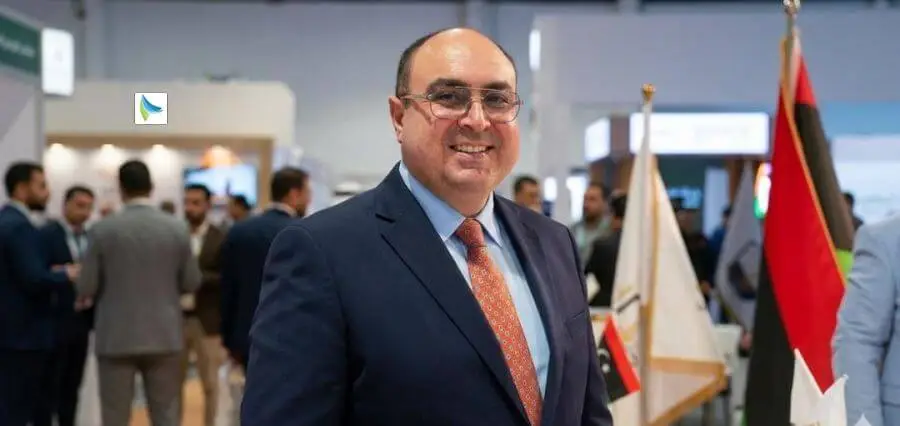
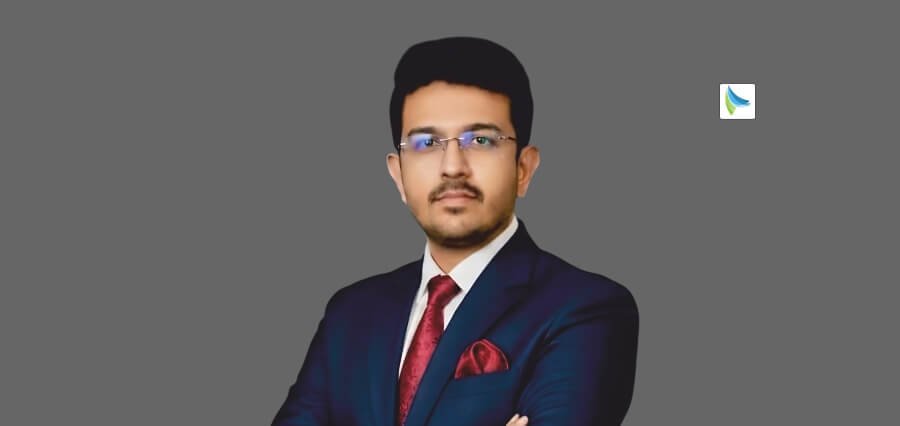
Kailash Sreekandan, who holds the position of Executive Director for Samsung Healthcare, leads the Middle East and Africa region, which is at the center of it. With the help of his current role, he has dedicated his career to working in medical technology development and complex market environments because he believes in leading through purpose, performance, and people empowerment. He currently manages Samsung Healthcare operations throughout one of the most active healthcare markets worldwide because he believes this work serves as his ethical duty to fulfill.
Explore how visionary leadership and purposeful innovation are redefining healthcare access across the Middle East and Africa.
A Region of Contrasts, A Leader of Conviction
The Middle East and Africa are not a single market. It is a tapestry of more than fifty nations, each carrying its own healthcare ambitions, economic realities, and cultural expectations. In countries like the UAE and Saudi Arabia, world-class hospitals already operate advanced imaging ecosystems that rival the best in the world. Yet in parts of Sub-Saharan Africa, patients still travel for hours to access even basic diagnostic services. Sreekandan navigates this contrast every day.
“Working across the Middle East and Africa has shaped my mindset significantly. Some countries operate world-class healthcare infrastructure with advanced imaging ecosystems, while others are still strengthening basic diagnostic access. This reality has taught me to lead with adaptability and realism while maintaining ambition,” he reflects.
This adaptability is not incidental; it is the product of deliberate leadership philosophy. He maintains a clear regional vision while enabling strong local ownership. He empowers country-level teams to operate with autonomy and accountability, supported by robust governance frameworks that maintain Samsung Healthcare’s core standards across every market. Fairness, compliance, and professionalism are non-negotiable, regardless of geography.
“The ambition of the company must always come first. When the organization grows with the right culture, people naturally grow along with it,” he expresses.
Samsung Healthcare’s Strategic Footprint
Samsung Healthcare brings a powerful portfolio to the region. Its lineup, spanning Digital Radiography (DR) systems, advanced Ultrasound solutions, Mobile CT capabilities, and a growing suite of tele-radiology and remote diagnostic connectivity tools, positions the company to address the full spectrum of healthcare needs across the MEA region. Each product line carries the hallmark of Samsung’s global research and development strength, translated into clinical tools that deliver on speed, precision, and reliability.
Under his stewardship, S
amsung Healthcare is not simply selling equipment. The company is positioning itself as a long-term transformation partner for healthcare systems across the region. This distinction matters enormously. In markets undergoing rapid infrastructure development, Saudi Arabia’s Vision 2030, the UAE’s Health Strategy 2030, or various African Union health initiatives, healthcare providers do not just need technology; they need partners who understand their evolving needs and commit for the long haul.
He articulates this vision with clarity: “My overarching vision is to position Samsung Healthcare as a trusted transformation partner across the Middle East and Africa, an organization that contributes to healthcare progress through long-term commitment, reliability, and innovation.”
Bridging the Diagnostic Gap
One of the most pressing challenges Sreekandan identifies across the region is not the lack of ambition, but the uneven translation of investment into outcomes. Governments pour resources into healthcare infrastructure, yet the real test lies in whether these investments improve diagnostic access, reduce clinical bottlenecks, and ultimately improve patient outcomes.
Mobile CT screening programs are a prime example of how Samsung Healthcare addresses this gap. In regions where specialist infrastructure is concentrated in urban centers, mobile imaging units effectively extend diagnostic reach into communities that would otherwise go unserved. Similarly, tele-radiology platforms enable hospitals in remote or under-resourced settings to connect with specialist radiologists in real time, collapsing geographic distance through digital connectivity.
According to him, remote healthcare models are becoming increasingly important. The future of healthcare in these regions will depend not only on physical infrastructure but also on connected healthcare ecosystems. Tele-radiology and remote imaging solutions will play a major role in bridging specialist shortages and improving diagnostic access beyond major cities.
“Innovation cannot happen in isolation. It happens when teams listen to clinicians and respond with solutions that address real problems,” he says.
Innovation With Purpose
For Sreekandan, innovation is not a buzzword rather it is a purposeful discipline. He drives his teams to stay close to customers: visiting hospitals, listening to clinicians, and translating frontline challenges into product and service solutions. This customer-centric approach ensures that Samsung Healthcare’s innovation pipeline remains grounded in clinical reality rather than abstract technological ambition.
The company’s DR modernization program, for instance, directly addresses hospital workflow challenges. Faster imaging acquisition, digital integration with hospital information systems, and reduced radiation exposure for patients are not peripheral features, they are clinical imperatives. In a busy emergency department in Cairo, a logistics hospital in Nairobi, or a regional imaging centre in Jeddah, these capabilities translate directly into better patient pathways and stronger clinical confidence for radiologists and physicians.
He believes that adaptability is equally central to innovation culture. Healthcare markets in the Middle East have faced significant volatility in recent years, driven by geopolitical pressures, economic fluctuations, and shifting regulatory landscapes. Samsung Healthcare’s agility in this environment, its ability to recalibrate strategies, maintain supply chain reliability, and sustain customer trust through disruption, is itself a form of innovation.
Building Teams That Outlast Leaders
Great regional leaders are defined not only by the results they generate but by the teams and cultures they leave behind. Sreekandan is acutely aware of this responsibility. He invests deliberately in the development of emerging leaders, identifying high-potential professionals not merely by their technical performance, but by their ownership mindset, integrity, and capacity for cross-functional collaboration.
His mentorship philosophy is notably unsentimental. He does not mentor by giving answers rather he does it by building strategic thinking, resilience, and decision-making maturity. He places high-potential individuals in stretch roles, assigns cross-market responsibilities, and challenges them to operate outside their comfort zones. Skills can be taught, he maintains, but leadership character is forged through experience.
He is also unflinching in his criticism of one of the silent killers of organizational culture: favoritism. “Many talented professionals are lost because managers promote only those they personally prefer. This creates frustration and destroys culture. Future leaders must learn that fairness is not optional, it is the foundation of credibility,” he says.
Steady Through the Storm
Leading in the Middle East and Africa means leading through uncertainty as a constant condition. Geopolitical volatility, currency instability, evolving procurement regulations, and shifting healthcare priorities can reshape market conditions faster than any strategic plan can anticipate. Sreekandan’s response to this reality is not defensive, it is structural.
He builds resilience into every layer of his organization. Structured forecasting, rigorous performance reviews, and disciplined operational governance create a foundation that holds steady when external conditions shift. He ensures that his teams always have clarity on direction, even when the environment around them is opaque. “Teams do not always require certainty, but they require clarity. They need to know what we are doing, why we are doing it, and what the priorities are,” he explains.
Critically, he also understands the irreplaceable nature of healthcare. Hospitals do not close during economic slowdowns. Patients do not defer urgent diagnoses because of geopolitical tension. This fundamental truth anchors his long-term view of the region, healthcare demand across the Middle East and Africa will only grow, driven by rising populations, increasing chronic disease burden, and expanding healthcare infrastructure investment.
A Legacy Built on Impact, Not Accolades
When Kailash Sreekandan reflects on the legacy of Samsung Healthcare he aspires to leave, he speaks with the quiet conviction of a leader who has long since stopped seeking personal recognition. His measure of success is not market share alone; it is sustainable healthcare impact and the strength of the leaders who will carry the mission forward after him.
“I want Samsung Healthcare to contribute to strengthening healthcare transformation across Middle East and Africa by supporting diagnostic access, clinical confidence, and long-term customer trust,” he says
He envisions the organization becoming synonymous not just with innovative medical imaging but with reliability and meaningful contribution to the region’s health outcomes. He wants the next generation of leaders within his organization to inherit a culture where ambition is collective, fairness is non-negotiable, and every employee understands that their work carries consequences beyond quarterly targets.
As the Middle East and Africa continue their remarkable, uneven, and deep human journey toward healthcare equity, leaders like Kailash Sreekandan remind us that the most powerful diagnostic tool in any health system is not a machine. It is leadership, purposeful, principled, and committed for the long term.