



There is a story behind every hospital meal. A complicated web of decisions, including clinical calculations, safety procedures, cultural considerations, and logistical coordination, go into the meticulously portioned tray. A dietitian checks allergen markers twice in a hospital kitchen in Saudi Arabia. Parallelly, a quality supervisor checks temperature records that could indicate contamination or nourishment. Thousands of these moments occur concurrently throughout the Kingdom, and each one bears the responsibility for the health of the patient.
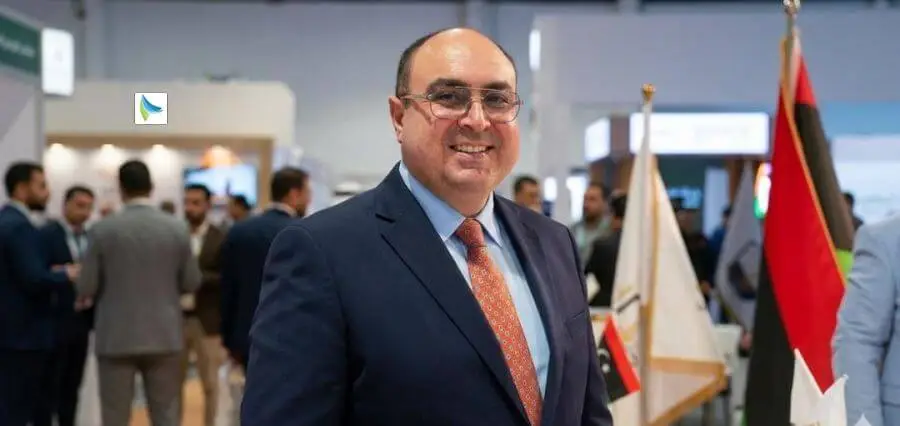
This is the world Dr. Mohammad Fouad Al-Ibrahim navigates daily. As Director of Operations and Business Development at National Catering SA, he orchestrates what many consider an impossible balance- making healthcare catering both clinically impeccable and commercially viable. While most leaders pick sides in this equation, choosing either business growth or operational perfection, he has spent years proving that the dichotomy itself is false. In his hands, safety becomes a competitive advantage. Compliance drives innovation. Rigorous standards create market differentiation.
Dr. Mohammad’s approach challenges the conventional wisdom that dominates both healthcare and hospitality sectors. Where traditional food service managers see regulatory requirements as obstacles, he sees frameworks that protect what matters most. Where business development executives chase revenue regardless of operational strain, he builds sustainable growth on foundations of clinical discipline. Where others compartmentalize catering as a support service, he integrates it as an essential component of healing.
The Saudi healthcare landscape provides the perfect proving ground for this philosophy. Here, ancient hospitality traditions meet cutting-edge medical facilities. Patient expectations rise alongside regulatory standards. International accreditation bodies scrutinize every process while local cultural nuances shape service delivery. In this demanding environment, Dr. Mohammad has forged a leadership model that refuses to compromise. This proves that excellence in healthcare catering is about aligning competing priorities so completely that they strengthen each other.
Where Every Tray Carries Clinical Consequence
The difference between healthcare catering and traditional food service is not merely setting or clientele. It is fundamentally a question of stakes. In a restaurant, a mistake might result in a disappointed customer. In a hospital, that same mistake could trigger anaphylactic shock, compromise a diabetic patient’s glucose control, or introduce pathogens to someone with a weakened immune system.
Dr. Mohammad approaches healthcare catering not as an evolved form of hospitality but as a distinct discipline requiring its own expertise, systems, and mindset. Every decision begins with a fundamental question: If this were my family member in that hospital bed, would this be good enough?
The operational environment he manages presents compounding challenges. A single facility might serve hundreds of patients daily, each with unique dietary requirements ranging from standard nutritional needs to highly specialized therapeutic diets. Some patients require texture-modified foods due to swallowing difficulties. Others need precise caloric calculations to support recovery. Cultural and religious dietary laws add complexity. Allergies create absolute red lines.
Against this backdrop, Dr. Mohammad has built operational systems that function with clinical precision. His teams execute carefully choreographed processes where every step carries documented accountability. Ingredient traceability allows complete visibility from supplier to patient. HACCP protocols embedded into production workflows ensure food safety at every critical control point. Allergen management systems create multiple verification checkpoints. Nutritional compliance requires ongoing collaboration with dietitians who translate medical orders into practical kitchen specifications.
The regulatory framework in Saudi Arabia is extensive. The Saudi Food and Drug Authority maintains standards that rival international benchmarks. The Ministry of Health enforces requirements specific to healthcare settings. Hospital governance systems demand transparency. Accreditation bodies like CBAHI evaluate not just outcomes, but the systems producing those outcomes.
Rather than viewing regulatory intensity as a burden, Dr. Mohammad embraces it as an essential infrastructure. He recognizes these requirements exist because the alternative, patients harmed by preventable food-related incidents, is unacceptable. His teams prepare for audits through daily adherence to standards that make audit readiness a natural operational state. When inspectors arrive, they find systems that consistently perform as designed.
This philosophy extends to innovative initiatives. Every process improvement proposal faces the same scrutiny: Does this maintain or enhance patient safety? If the answer is anything other than an unambiguous yes, the initiative stops regardless of potential benefits.
Cultivating Safety as Frontline Culture
Healthcare clients maintain absolute expectations regarding food safety. This reality shapes how Dr. Mohammad approaches workforce culture development. He operates from a fundamental insight: Food safety compliance cannot depend on constant supervision. The only sustainable approach is embedding safety so deeply into frontline culture that correct practices become automatic even under pressure.
His strategy establishes clear, non-negotiable standards supported by practical training that goes beyond written policies. Hygiene and food safety requirements break down into simple, repeatable actions. Each action connects explicitly to patient impact- explaining not just what to do but why it matters creates commitment rather than mere compliance.
Daily briefings reinforce practices through focused reminders. Visual controls throughout production areas provide immediate reminders at a point of use. Routine verification on production floors catches deviations before they create safety incidents while providing coaching opportunities.
Supervisors receive extensive training on how to coach in real time rather than only audit after issues occur. Dr. Mohammad expects supervisors to spend significant time on production floors, observing work processes, and providing immediate feedback.
Building Partnerships Beyond Contracts
Dr. Mohammad’s business development expertise informs his perspective on what distinguishes genuine partnerships from transactional relationships. The healthcare services market is filled with contracts, but lasting partnerships are far rarer.
Short-term contract wins often emerge from factors that matter during procurement but prove insufficient for sustained success. Competitive pricing may win initial business but creates financial pressure that degrades service quality. Aggressive scope definitions may satisfy tender requirements but exceed actual delivery capacity.
True partnerships build on different foundations. What healthcare providers value most is consistent performance under all conditions; not just during honeymoon periods but through high-census surges, staffing challenges, supply disruptions, and countless operational difficulties.
Reliability under pressure reveals whether an operator truly understands the healthcare environment. It shows whether teams have been trained to handle complexity. It demonstrates whether leadership has built organizational depth or depends on heroic individual efforts.
Transparency creates another pillar of lasting partnerships. Open performance reporting that shares both successes and challenges builds confidence. Proactive communication about emerging issues enables collaborative problem-solving. Visible investment in continuous improvement demonstrates commitment to evolution.
Alignment of goals and incentives cements partnerships for the long term. When operators structure their success around patient outcomes and operational stability, they signal that their interests genuinely match hospital priorities.
Dr. Mohammad applies this partnership philosophy consistently. He invests time understanding each hospital’s unique challenges and culture. He ensures his teams integrate smoothly with hospital operations. He maintains open communication channels with clinical, operational, and administrative stakeholders.
Leadership for Healthcare’s Future
Dr. Mohammad represents a leadership model that healthcare catering urgently needs as the sector evolves toward higher expectations, tighter regulations, and more complex operational environments. His journey from business development into comprehensive operations leadership has created unusual breadth of perspective- understanding both commercial realities and operational complexities, seeing how revenue goals and clinical standards reinforce rather than compete.
He operates daily within environments where mistakes carry immediate consequences for vulnerable patients, where regulatory scrutiny never pauses, and where operational complexity challenges experienced teams. Yet Dr. Mohammad navigates these demands with remarkable clarity, demonstrating that exceptional performance is systematic application of clear principles, disciplined execution, and unwavering commitment to doing right things consistently.
His leadership approach combines capabilities that often exist separately in traditional structures. Dr. Mohammad brings strategic thinking that sees beyond immediate operational challenges to longer-term positioning. He maintains operational detail orientation that prevents disconnection between strategy and execution. He balances commercial awareness with clinical accountability, pursuing financial performance through excellence rather than despite it. He aligns growth ambitions with safety imperatives, proving they strengthen each other when properly integrated.
The teams Dr. Mohammad builds reflect these balanced priorities. They understand that speed matters but safety matters more. They execute standardized processes reliably while adapting thoughtfully to unique situations. They measure performance rigorously while maintaining focus on what measurements represent- patient wellbeing, organizational trust, and sustainable value creation.
The systems Dr. Mohammad designs embody principles of transparency, accountability, and continuous learning. Performance becomes visible in real time rather than discovered retroactively. Problems trigger investigation and correction rather than blame. Success gets reinforced through recognition and replication. Knowledge accumulates and spreads rather than remaining trapped in individual experience.
The partnerships he develops demonstrate that healthcare service relationships can transcend transactional exchanges to become genuine collaborations. Clients trust that his operations will perform reliably without constant oversight. They value transparency that enables collaborative problem-solving. They appreciate alignment around patient outcomes. They see evidence of continuous investment in improvement.
As Saudi Arabia’s healthcare sector continues its remarkable expansion, adding capacity, raising quality standards, and pursuing international accreditation, the Kingdom needs more leaders who understand healthcare catering’s unique demands. The sector requires professionals who speak both clinical and commercial languages fluently, who build systems that scale without compromising safety, and who develop people capable of consistent excellence.
Dr. Mohammad exemplifies this leadership model while continuing to evolve his own capabilities. He studies emerging technologies not to chase trends but to identify tools that solve real problems. He monitors regulatory developments not merely for compliance but to anticipate how standards will shape future expectations. He develops talent not just to fill current roles but to build organizational depth for challenges ahead.
The healthcare catering landscape will continue evolving in ways both predictable and surprising. Patient expectations will rise as information access increases. Regulatory requirements will tighten as understanding of food safety advances. Technology capabilities will expand. Market dynamics will shift as competition intensifies. Through all these changes, one requirement remains constant: leadership that understands food in healthcare settings is not a peripheral service but an essential care component.
Dr. Mohammad embodies this understanding in everything he does- from strategic decisions that shape organizational direction to operational details that protect individual patients. His work demonstrates that excellence in healthcare catering requires more than technical competence or commercial acumen. It demands integration of multiple capabilities, unwavering commitment to patient safety, disciplined execution under pressure, continuous learning from experience, and humble recognition that getting better never ends.
In his hands, healthcare catering becomes what it should be: a discipline that nourishes healing, supports recovery, respects dignity, and honors the profound responsibility of caring for people at their most vulnerable. This is leadership that matters, creating value that extends far beyond financial metrics to touch lives at moments when compassion and competence carry equal weight.