



Prime Highlights
- China is moving ahead in the global humanoid robot race, with local companies preparing for large-scale production ahead of competitors in other countries.
- Strong government support and advanced manufacturing capabilities are helping China position humanoid robots as a key part of its future industrial growth.
Key Facts
- Several Chinese firms plan to produce thousands of humanoid robots annually for use in factories, public services, and commercial spaces.
- As production scales up, some manufacturers expect robot prices to fall by up to 30% each year, though costs remain high for now.
Background:
China is emerging as an early leader in the global race to commercialize humanoid robots, positioning the technology at the heart of its long-term economic and technological strategy. While billionaire Elon Musk has repeatedly highlighted humanoid robots as central to Tesla’s future valuation, Chinese companies appear set to bring the first wave of mass-produced models to market.
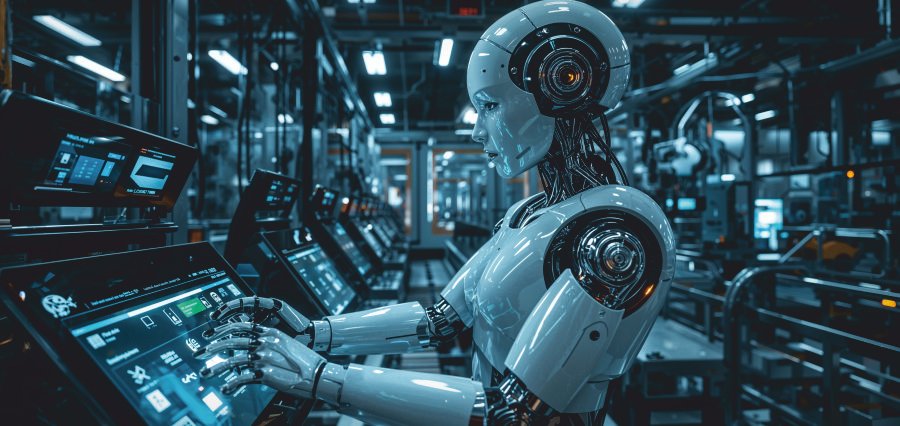
Humanoid robots are built to look and move like humans. They use advanced hardware, such as chips and sensors, to function. Supporters say these robots could change many industries, including factories, logistics, hotels, and even everyday work in homes.
Beijing has made robotics a national priority, identifying “embodied artificial intelligence”, AI embedded in physical machines, as a key focus area in its upcoming 15th Five-Year Plan. Chinese policymakers see humanoid robots as a solution to mounting labor shortages caused by a declining birth rate and an aging population, while also strengthening the country’s position in global technological competition.
Several Chinese firms are already ramping up production. Robotics company Unitree, which is preparing for an initial public offering, has introduced humanoid models aimed at commercial use. UBTech Robotics, which is listed in Hong Kong, plans to produce thousands of robots each year for use in factories and public places, including roles like tour guides. AgiBot has also reported the rollout of its 5,000th humanoid robot, while electric vehicle maker Xpeng recently unveiled its second-generation humanoid robot, with mass production expected to begin next year.
Analysts say China’s manufacturing ecosystem provides a significant advantage.
Chinese regulators have also warned that the fast-growing number of similar products could create an investment bubble. Even so, analysts believe China will lead early market adoption, while wider use in homes is expected after 2040.
As competition grows worldwide, humanoid robots are becoming a key area in the next stage of industrial and technological development.