




For decades, governance, risk, and compliance functions operated on a predictable schedule, with audits conducted monthly, quarterly, or annually to evaluate internal controls. This approach served businesses well in an era when markets evolved gradually, regulatory expectations changed at a measured pace, and operational risks could be addressed over extended periods.
Today’s business landscape presents a very different reality. Digital transformation, increasingly complex regulatory frameworks, interconnected business systems, and rapidly changing market conditions have significantly reduced the margin for delayed decision-making. As a result, organizations are moving beyond traditional point-in-time audits and embracing Continuous Control Monitoring (CCM) as a more proactive approach to governance and risk management.
Continuous Control Monitoring enables organizations to monitor key controls in real time, allowing potential issues to be identified and addressed before they develop into significant operational, financial, or compliance risks. Rather than serving purely as a compliance exercise, auditing is increasingly becoming an ongoing strategic function that supports business resilience and informed decision-making.
The Growing Cost of Delayed Risk Detection
One of the primary limitations of periodic audits is the time gap between reviews. A control weakness that emerges shortly after an annual audit may remain undetected for several months, potentially exposing an organization to operational disruptions, financial losses, regulatory penalties, and reputational damage.
As businesses become increasingly dependent on digital operations, supply chain connectivity, and automated processes, even minor control failures can have widespread consequences if left unnoticed. Delayed identification of operational inefficiencies may also result in missed market opportunities, allowing competitors to respond faster to emerging business trends.
Continuous monitoring addresses this challenge by providing ongoing visibility into business controls, enabling organizations to detect anomalies as they occur rather than after they have already affected operations.
Technology Is Making Continuous Monitoring More Practical
The widespread adoption of Continuous Control Monitoring has been made possible by significant advances in technology. Modern cloud platforms, application programming interfaces (APIs), artificial intelligence, automation, and advanced analytics now enable organizations to integrate data from multiple systems with far greater efficiency than was previously possible.
These technological developments have reduced the complexity and cost traditionally associated with continuous monitoring while making real-time visibility increasingly accessible for organizations of all sizes.
At the same time, boards of directors and executive leadership teams are placing greater emphasis on governance, risk management, cybersecurity, and regulatory compliance. Investments in governance and compliance technologies are now viewed not simply as operational expenses but as strategic investments that strengthen organizational resilience and support sustainable growth.
Delivering Real-Time Assurance
Continuous Control Monitoring transforms how operational information is collected, analysed, and acted upon.
Instead of producing periodic reports after issues have already occurred, CCM continuously evaluates transactions and business processes, immediately alerting relevant teams when exceptions or control failures are identified.
This approach offers several important advantages:
- Enhanced assurance: Management gains continuous visibility into the effectiveness of internal controls rather than relying solely on periodic audit findings.
- Faster decision-making: Real-time insights allow leadership teams to respond quickly to emerging risks while maintaining focus on strategic priorities.
- Earlier remediation: Potential issues can be addressed before they escalate into larger operational or compliance challenges.
By embedding continuous monitoring into everyday operations, organizations are better positioned to strengthen governance while improving overall operational efficiency.
The Evolving Role of Internal Auditors
The increasing use of automation has raised questions about the future role of internal auditors. In reality, Continuous Control Monitoring is redefining—not replacing—the audit profession.
Routine testing, manual sampling, and repetitive data collection can now be automated, allowing auditors to devote more time to higher-value responsibilities such as strategic risk assessment, control optimisation, governance advisory, and business process improvement.
Continuous data also enables audit teams to evaluate whether existing controls remain appropriate as business models evolve. Rather than repeatedly testing outdated control frameworks, auditors can recommend improvements based on current operational realities and emerging risks.
This evolution positions auditors as strategic business advisors who contribute directly to organizational performance and long-term resilience.
Building a More Resilient Governance Framework
As regulatory expectations continue to increase and digital business models become more complex, organizations require governance frameworks that provide continuous visibility rather than periodic snapshots.
Continuous Control Monitoring offers a practical path toward stronger risk management, improved compliance, and greater operational agility. By enabling timely intervention and more informed decision-making, it helps organizations reduce uncertainty while strengthening stakeholder confidence.
As businesses continue to modernise their governance practices, Continuous Control Monitoring is increasingly emerging as a critical capability for organizations seeking to build resilient, future-ready operations in an increasingly dynamic business environment.
About the Author
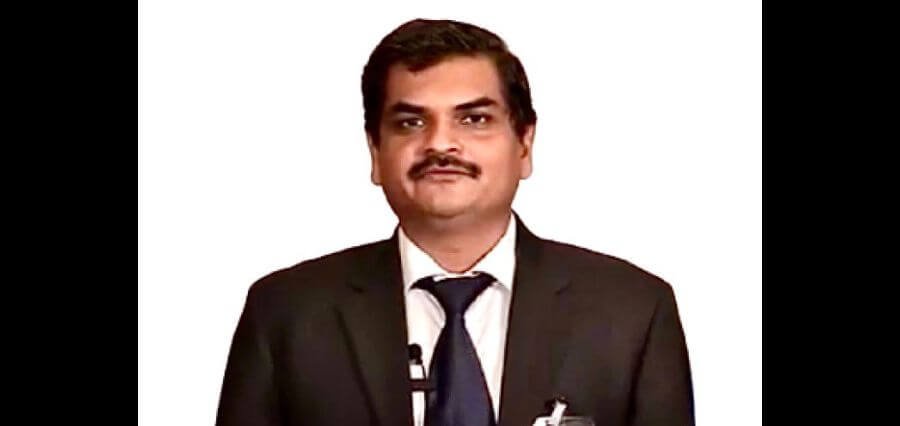
Manish Pipalia is the Co-founder of Sama Audit Systems & Softwares Pvt. Ltd. With more than two decades of experience in audit technology, governance, risk management, and continuous control monitoring, he has worked closely with organizations across South Asia to implement full-population audit analytics, automated control testing, and technology-driven governance solutions that strengthen compliance and operational resilience.