
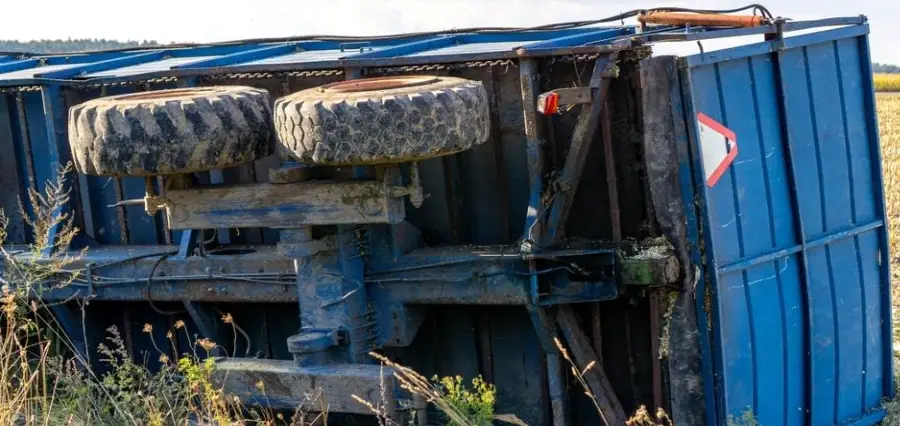


A single crash involving a tractor-trailer can create a complicated chain of questions about responsibility. Unlike many regular vehicle accidents, these cases often involve drivers, trucking companies, maintenance teams, and other parties who may have different roles in preventing harm. Determining who contributed to the accident requires looking beyond the damage caused at the scene and examining the actions or decisions that may have led to the collision.
A damaged vehicle or serious injury does not always reveal the full reason behind the crash. Investigations may uncover issues related to safety practices, company decisions, vehicle maintenance, or regulatory requirements. Due to these challenges, working with a tractor-trailer accident attorney may help victims understand the factors that can influence a liability claim and the steps involved in reviewing the circumstances surrounding the accident.
Multiple Parties May Share Responsibility After a Tractor-Trailer Accident
Determining fault after a tractor-trailer accident is rarely limited to the person behind the wheel. Several parties may have contributed to unsafe conditions that led to the collision.
Possible responsible parties may include:
- The truck driver who failed to follow safety rules or operated the vehicle unsafely
- The trucking company that failed to maintain proper policies or supervision
- A maintenance provider that overlooked important repairs
- A cargo loading company that improperly secured the shipment
- A manufacturer responsible for defective truck parts
Each party has different responsibilities, making liability decisions more detailed. Investigators often need to examine how each person or company contributed to the accident before determining who may be responsible.
Federal and State Rules Can Affect Liability Decisions
Commercial trucks operate under strict safety requirements that do not apply to most personal vehicles. These rules are designed to reduce risks on the road, but violations can become important factors in an accident investigation.
Some regulations that may affect liability include:
- Driver working hour limits to prevent fatigue-related crashes
- Vehicle inspection requirements
- Weight restrictions for commercial trucks
- Proper licensing and training standards
A company or driver that ignores these requirements may create unsafe conditions. Reviewing compliance with trucking regulations can provide important information about whether negligence played a role in the accident.
Driver Actions Are Only One Piece of the Investigation
Many people assume the truck driver is always the only person responsible after a collision. However, driver behavior is only one part of a larger investigation.
A driver may be examined for issues such as:
- Distracted driving
- Speeding or unsafe maneuvers
- Lack of proper training
- Failure to follow traffic laws
- Driving while fatigued
At the same time, investigators may look beyond the driver’s actions. A trucking company may have contributed to the accident by setting unrealistic schedules, failing to provide training, or allowing unsafe practices to continue.
Evidence Helps Reveal What Caused the Crash
Evidence plays an important role in understanding how a tractor-trailer accident happened. Large commercial vehicles often contain records and information that can help explain the events before and after a collision.
Important evidence may include:
- Driver logs and employment records
- Truck inspection and maintenance reports
- Electronic vehicle data
- Accident scene photographs
- Witness statements
- Traffic camera footage
This information can show whether safety rules were followed and whether certain actions contributed to the accident. Because some evidence may become harder to obtain over time, collecting and reviewing records is an important part of the claims process.
Insurance Coverage Adds Another Layer of Complexity
Tractor-trailer accidents often involve commercial insurance policies, which can be more complicated than standard vehicle coverage. Multiple insurance companies may become involved if different parties share responsibility.
Insurance providers may review:
- The cause of the accident
- The level of responsibility for each party
- Available coverage limits
- Evidence supporting the claim
These factors can create disagreements about liability and compensation. Understanding how commercial insurance works is an important part of handling a truck accident claim.
Negligence Factors That May Influence Liability
Negligence refers to failing to take reasonable steps to prevent harm. In tractor-trailer cases, negligence can involve many different actions or mistakes.
Examples may include:
- Skipping required truck maintenance
- Hiring unqualified drivers
- Ignoring safety violations
- Improperly loading cargo
- Failing to follow industry regulations
Because every accident has different circumstances, identifying negligence requires a careful review of available evidence. A trucking company’s decisions, a driver’s actions, or another party’s failure to meet safety responsibilities may all affect the outcome of a liability claim.
A tractor-trailer accident attorney can review the details surrounding a collision and identify how different factors may connect to the injuries and losses involved. This process helps determine which parties may need to be held accountable based on the available facts.
Understanding the Challenges Behind Tractor-Trailer Liability
Tractor-trailer accident cases can become complicated because responsibility may involve several people, companies, and safety requirements. The cause of a crash is not always clear from the accident scene alone, and important details may require deeper investigation.
Factors such as regulations, driver conduct, maintenance records, and insurance issues can all influence how liability is determined. Victims dealing with the aftermath of a serious truck accident may benefit from reviewing their situation with a qualified legal professional who can help address their concerns and explain possible legal steps. Seeking timely guidance can make it easier to protect important evidence and make informed decisions about the claim.