




Organic Agriculture Solutions
In the field of agriculture, there are many changes happening due to concerns about the environment, changes in consumer demands, and technological developments that are affecting the ways in which crops are produced. Today, farmers are not only concerned about the increased production of crops but also about preserving natural resources, enhancing soil quality, and producing healthier foods. Such an approach has motivated people to adopt Organic Agriculture Solutions, which consist of sustainable approaches to farming. Organic farming does not rely heavily on the use of chemicals and encourages biodiversity and effective resource usage.
Why Organic Practices Matter
Organic agriculture involves practices based on the concept of using natural methods that help build soil fertility and enhance the ecosystem. Practices like crop rotation, composting, biological pest management, and water conservation make it possible for farmers to cultivate the land effectively while not harming the environment. Improved soils make crops resistant to changes in weather, and this helps minimize costs related to the purchase of chemicals. Consumers are becoming more conscious of the advantages of organic foods, both in terms of nutrition and environmental considerations, thus demanding more of them in the market.
Building Businesses with Purpose
Rising demand for sustainable goods has opened up new avenues in the realm of green entrepreneurship. Entrepreneurship is generating new enterprises producing organic fertilizers, sustainable farming equipment, and technology supporting sustainable agriculture. Such enterprises are not only job creators but also problem solvers for farmers from across the globe who face environmental issues. Green entrepreneurship generates value for both consumers and investors through innovative and socially responsible business practices. Government, banks, and agri-business corporations have also been encouraging environmental entrepreneurship through financial assistance and incubators.
Technology Supporting Organic Growth
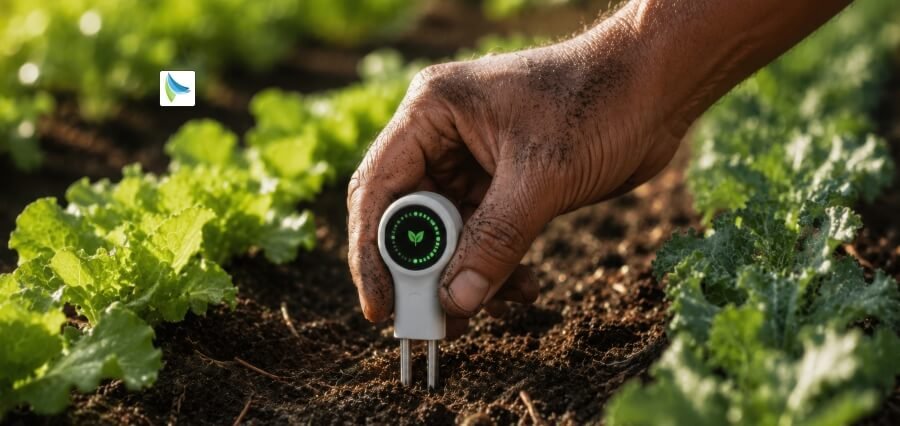
Technology in the contemporary world has been helpful in ensuring sustainable farming. Technology such as precision agricultural tools, satellite observation, soil sensors, weather forecasting applications, and automatic watering systems enable farmers to make informed decisions without wasting the available resources. E-commerce platforms enable farmers to connect directly with customers and increase profits. With Organic Agriculture Solutions, the two can be used effectively to maximize efficiency without harming the environment. This will ensure that farmers observe sustainability in their operations and achieve profitability at the same time.
Education Driving Future Success
The education system is important in promoting sustainable agriculture. Training programs are usually done by universities, agricultural extensions, and non-governmental organizations. In these programs, farmers are taught how to cultivate crops organically, get certified, make composts, use natural pesticides, and conserve water resources. The programs facilitate the exchange of knowledge between experienced and new farmers. It is becoming increasingly popular for young professionals to choose green entrepreneurship as a career option due to its innovative nature and eco-friendly practices.
A Strong Foundation for Tomorrow
Consumer awareness has continued to shape purchasing behaviors in a way that makes firms engage in environmentally friendly supply chains and processes. The investors have realized the economic benefits of sustainable agriculture due to the fact that healthy eco-systems lead to a reliable agricultural yield and an economically viable rural area. The growth of Organic Agriculture Solutions has helped the farmers to increase their yields and at the same time preserve biodiversity, conserve water and regenerate the soil. Another aspect is that green entrepreneurship has made possible new business ventures from environmental concerns.
Working together in a coalition of governments, scientists, businesspeople, and farmers helps the shift towards sustainable agriculture become more effective, enabling future generations to enjoy better ecosystems and a secure food system. In the light of increasing concern over climatic changes, Organic Agriculture Solutions will always be relevant when it comes to sustainable farming practices, whereas green entrepreneurship will keep empowering entrepreneurs to establish environmentally friendly businesses.
Strengthening Rural Economies Through Collaboration
Collaboration between farmers, agricultural cooperatives, researchers, private sectors, and policy makers has turned out to be an increasingly effective tool for sustainable rural development. Working together, farmers are able to exchange information, obtain access to organic materials, employ modern farming methods, as well as find markets for their local produce. Community-supported agriculture, Farmer Producer Organizations, and cooperative marketing allow small farmers to cut their expenses and increase their influence on the market. The possibility to get financial support, certification, and e-marketing tools allows farmers to widen their consumer base and sell their products at higher prices. Collaboration with educational institutions will also facilitate innovation through research, climate-smart agriculture, as well as sustainable management of resources. All these measures are likely to develop a more effective agricultural system that will provide people with jobs and good living conditions, as well as with sustainable usage of land.