



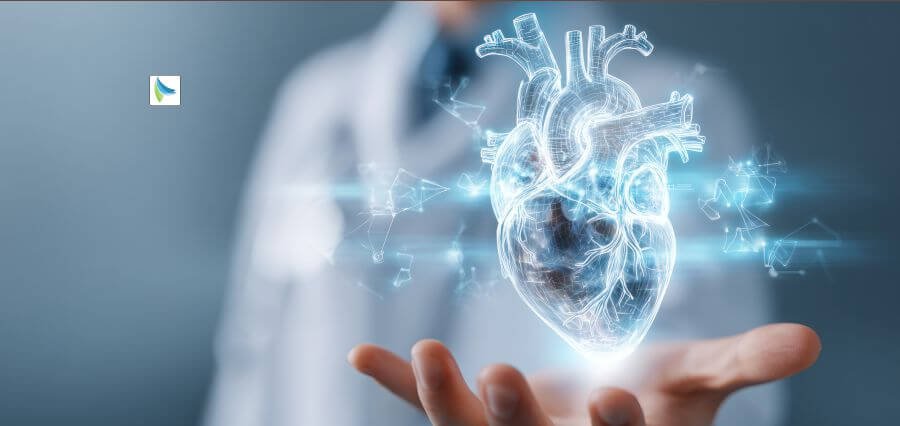
The use of the artificial intelligence technology has completely changed the current medical field. The healthcare system experiences fundamental transformation because advanced imaging tools and predictive analytics systems and virtual care assistants combined with customized treatment programs enable the development of AI technologies through their practical application. The health systems of the world face three major problems: rising costs, workforce shortages, and increasing patient demands. AI technology provides essential support to health systems by improving operational efficiency, delivering accurate results and expanding patient access capabilities. The healthcare sector generates extensive data, which creates an ideal opportunity for AI applications to deliver their advantages. Electronic health records coupled with diagnostic images, genomic sequences, wearable devices and real time monitoring systems generate complicated data sets that cannot be handled by human analysts.
Smarter Diagnostics
The main use of artificial intelligence in health systems is the ability of this technology to provide accurate diagnostics. Imaging technologies based on AI provide accurate and quicker findings by analyzing radiological scan, pathology slides and retina images. AI-based imaging technologies enable more precise and faster results when analyzing radiology scans, pathology slides and retinal images. The deep learning models which scientists have trained on millions of annotated images achieve their goal by detecting minute X-ray, CT scan, MRI and mammogram abnormalities with exceptional accuracy. These systems assist healthcare professionals by identifying potentially dangerous results while they handle urgent cases and make assessments about unidentified medical conditions.
Predictive analytics is one of the ways Artificial Intelligence can be used to identify disease early before the medical imaging is conducted. The AI models develop their abilities to identify people who face chronic disease risks through their analysis of patient medical records, lab results, genetic data and personal health information. AI-powered systems in oncology help doctors identify tumours and detect biomarkers, which leads to better diagnostic accuracy and facilitates development of targeted treatment plans. The new medical techniques improve patient outcomes while reducing the time between symptom onset and the initiation of treatment.
Personalized Treatment
Artificial intelligence plays a pivotal role in the advent of personalized medicine. The standardized procedures are based on the average of the population that might ignore personal genetic, metabolic, and environmental differences. The AI algorithms create individualized treatment programs on behalf of patients using their genomic data, medical history, and reaction to treatments. This is especially beneficial in the field of oncology where the efficacy of treatment differs radically between patients.
The system processes chemical structure through biological targets and clinical trial to permit machine learning model finds to learn new drugs in a more rapid and efficient manner. The AI-powered platforms shorten the time and decrease the costs of early-stage studies while they increase success rates through their enhancements. On the one hand, AI tools are being applied to improve clinical trial data analysis, thereby selecting the right patient cohorts and monitoring real-time signals for safety. Such strategies are, in fact, boosting the effectiveness of therapeutic innovation.
Intelligent Care Delivery
AI technologies are transforming how healthcare services operate because they allow health professionals to monitor patients through continuous care models. AI remote monitoring systems rely on sensor data that is collected on wearable devices and in the home to identify the initial symptoms of ill health. The systems inform clinicians using their alerts that allow medical specialists to make sure that the patients with chronic conditions such as heart failure and breathing conditions are followed up. Virtual health assistants and chatbots make patients remain active in their health-related issues by answering frequent questions, managing appointments and providing medication reminders.
The healthcare sector improves its operational efficiency through AI technology integration. Hospitals use predictive algorithms to estimate their patient admission rates which enables them to determine their optimal staff requirements and handle their inventory more effectively. Medical experts can allocate additional time to direct patient care through natural language processing tools which automate medical documentation and coding to simplify administrative processes. AI improves health systems through its capacity to decrease administrative tasks and enhance operational workflow between different departments.
Conclusion
Artificial intelligence has become an essential technological element which now determines how healthcare develops in the future. Complex clinical cases and operational challenges offer the best outcomes to health systems when AI enhances diagnostic accuracy, customized treatment programs, and new healthcare delivery programs. The system converts huge medical data into information that be used and it also introduces a new method of decision making in all the processes of health care. The future prosperity of the AI technology in medical purposes demands organizations to develop responsible usage strategies, introduce effective data handling systems and continue their collaboration between medical professionals, technology creators and government officials. The introduction of AI into organizations allows healthcare specialists to increase their skills, which leads to a system of healthcare that offers better medical care due to its high-quality prediction systems and the use of specialized approaches to address the patient.