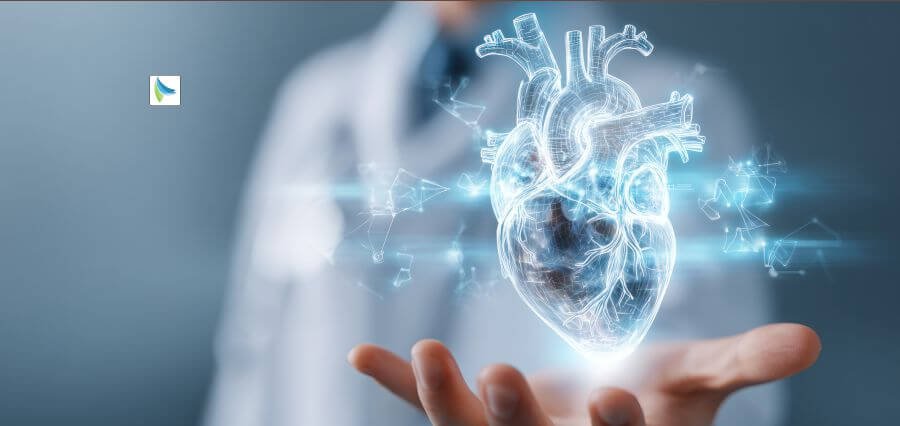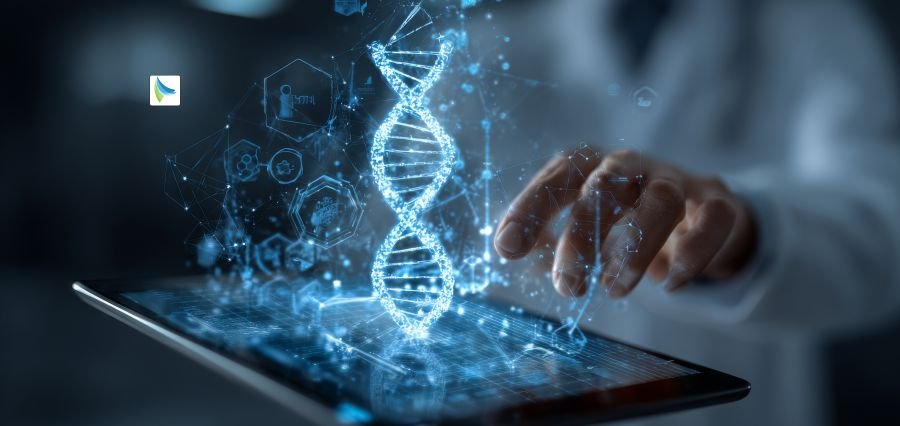




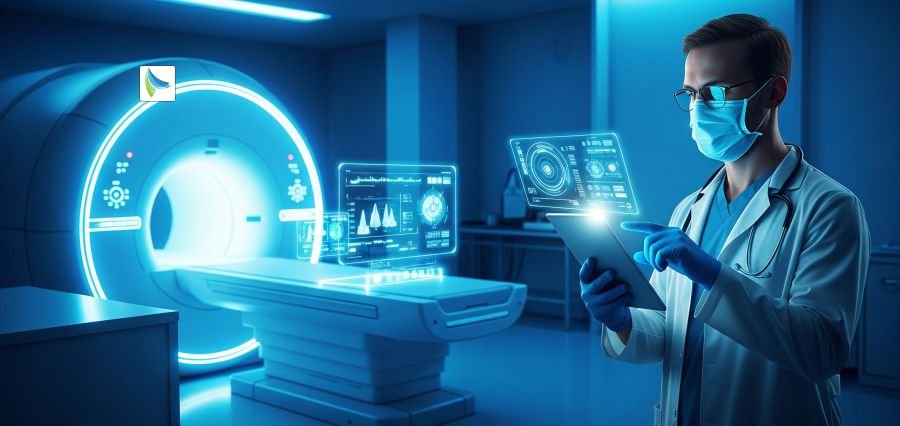
The healthcare sector is experiencing a radical change due to technological advancement, changing patient demand, and the urgency to offer more efficient and affordable service provision. The concept of modernization in healthcare is no more about the adoption of new technologies; this process involves the tight collaboration of data analytics, artificial intelligence, and patient-centered approaches aimed at enhancing the outcomes and optimizing operations. These are transforming the way care is obtained, provided and administered in a fundamental way which is offering providers, patients and policymakers chances to re-invent the old paradigms of healthcare. Precision medicine and proactive care have become the key principles that guide healthcare modernization. Instead of applying reactive curing, the contemporary health systems look to avert the possible health problems and treat them earlier before they develop complications. This would be facilitated by taking advantage of the huge amounts of health data, such as electronic health records, genomic data, and lifestyle data, to develop highly customized treatment programs. Consequently, healthcare professionals can be more prepared to provide more effective and customized care to patients and improve the outcomes of their patients, and, at the same time, lessens unnecessary procedures and linked expenses.
Technology-Driven Transformation
One of the strongest forces of healthcare modernization is technology. Electronic health records have become the core of data-driven healthcare, and clinicians have instant access to the medical history, lab test results, imaging studies, and treatment prescribed to a patient. In addition to basic record-keeping, advanced analytics tools enable hospitals and clinics to detect trends in population health, forecast patient deterioration, and make the most efficient resource distribution choices. These features improve clinical decision-making capabilities and allow taking proactive measures that increase efficiency and patient safety. Through the application of technology throughout the care system, healthcare systems can minimize delays, errors, and improve overall results.
Modern healthcare is also becoming more dependent on artificial intelligence and machine learning. These technologies allow making a quick diagnosis, predictive modeling, and automated routine administrative and clinical work, releasing medical staff to concentrate on more specific areas of patient care. AI-based imaging devices, such as, are able to detect any anomalies in radiology scans with an amazing precision, thus, minimizing diagnostic errors and speeding up the process of treatment. Moreover, patient engagement is also being enhanced through virtual health assistants and AI-powered chatbots that offer instant guidance, reminders, and education. It does not only improve compliance with prescribed care plans but also enables patients to have a more active role in managing their health and close care delivery gaps and achieve better outcomes in varied populations.
Patient-Centric Models
The current healthcare is becoming more patient-oriented and the traditional hospital-focused models are giving way to the models where convenience, access, and personalization play a primary role. Telemedicine has become a foundation of patient-centered care, and now people can visit healthcare professionals remotely. Such practice helps decrease physical facility pressure, enhance access to specialized treatment, and specifically, patients in rural or underserved communities can find it useful. With the help of the needs and preferences of the patients, the healthcare providers can promote a higher level of engagement, trust, and satisfaction and also resolve the differences in the access to medical services.
Along with telemedicine, integrated care networks are becoming a more popular tool of providing coordinated care services among various providers and care settings. The networks maintain a continuity of care whereby the patient undergoes smooth care during their treatment process, starting with the primary care visits through specialized interventions. Through exchange of information and treatment plan collaboration, medical professionals can prevent the need to deliver the same services and minimize medical errors as well as improve continuity of care. Patient-centered models also focus on the overall health and wellbeing of a patient and advocate preventive and curative care and maximizing resource use.
Sustainable and Scalable Solutions
Modernization in healthcare is not only the enhancement of the quality of care, but also the question of sustainability and scalability. The escalating healthcare expenses, as well as the growth in demand by the patients, requires long-term solutions that do not degrade the quality of service delivery. Cloud computing and data interoperability are important in accomplishing these goals as they allow safe storage of medical data and share of medical data between institutions. This will make collaboration and coordination of providers more efficient, will decrease administrative waste, and will make the healthcare systems resilient enough to be better equipped to deal with further challenges and outbreaks of diseases in the future.
In addition, new financing strategies and commercial relationships between the government and the industry are facilitating the expansion of the scope of healthcare modernization processes. Governments and other organizations are making strategic investments in infrastructure, employee training, and electronic systems to make healthcare more accessible to broader groups of people. Apps that utilize mobile health technology, such as, can empower a person to get preventive care and chronic disease management remotely by other people in large communities. With the technological innovation and strategic investment, the healthcare systems can increase their capacities and yet be cost-effective, flexible, and strong enough to meet the changing needs of patients.
Conclusion
Modernization in healthcare is an active process of interaction of technology, patient-centered, and sustainable approach. Through adoption of data-driven decision-making, adoption of artificial intelligence and focus on patient experiences, health professionals will be able to provide more effective, efficient, and personalized care. Also, the implementation of scaled and sustainable solutions makes sure that these improvements can meet both short and long-term issues of healthcare provision. With the industry still developing, new ways of modernizing it will still be one of the most vital practices towards the future of health systems. With the encouragement of the proactive, accessible, and resilient models of healthcare, the providers will be able to make a considerable contribution to patient and community outcomes, thereby establishing a new approach to the excellence of medical care.